Henna, also known by various names such as mehndi, anella, or lalle, is a natural dye derived from the henna plant (Lawsonia inermis). It is widely recognized for its use in creating temporary skin adornments and as a hair dye. Across numerous cultures, henna is employed to craft intricate designs, traditionally celebrating significant life events like weddings, births, circumcisions, and victories.
While often referred to as a "tattoo," henna is, in essence, a temporary stain produced by a paste made from the plant. It is important to note that in very rare instances, henna paste can trigger an allergic reaction. However, most such reactions are not to the henna itself but to chemical additives that may be present in some preparations.
The use of henna spans a diverse array of religions and cultures, including Hinduism, Buddhism, Sikhism, Zoroastrianism, Jainism, Judaism, Christianity, and Islam. It is frequently used to bestow blessings of good health, fertility, wisdom, and protection upon newlyweds.
Historical Roots and Cultural Significance
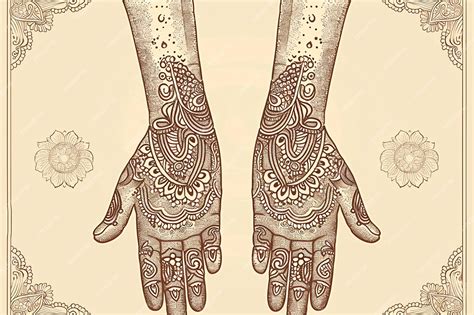
Henna has a long history of use in Africa, the Middle East, and Asia, with evidence suggesting its discovery by shepherds who observed its staining properties on livestock that consumed it. Desert dwellers also realized its cooling properties; when applied as a paste to the skin or hair, it provided a cooling sensation as it dried. Some ancient cultures even utilized henna for medicinal purposes, treating burns and headaches.
Ancient Egyptians employed henna not only for cosmetic purposes but also in the mummification process and for dyeing wrappings. They also recognized its therapeutic benefits for conditions like ringworm and other diseases. It was in this era that the practice of using henna paste as a decorative skin dye, creating temporary tattoos with intricate patterns, first emerged, laying the groundwork for what is known today as mehndi - body art utilizing henna.
The Henna Plant and Its Dye
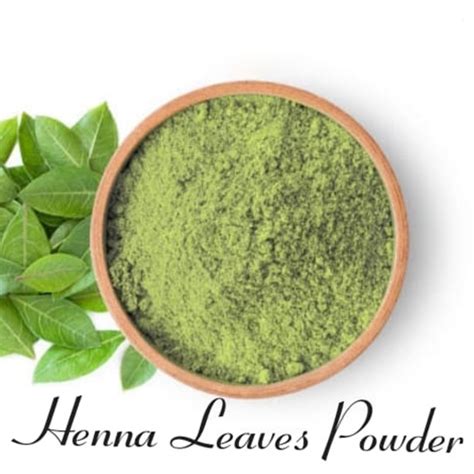
The henna plant is a small shrub that flourishes in warm climates, from arid deserts to humid tropical forests. Its origins are believed to be in North Africa and the Middle East, from where it spread across Asia and now grows globally. The leaves and stems of the henna plant contain a natural dye called lawsone. When these parts are crushed, either fresh or dried, the copper-colored dye is released. This is then collected as a powder and mixed with water to form a paste.
To enhance the color's richness or longevity, various cultures incorporate additional ingredients such as lemon or lime juice, tea, or essential oils into the paste. The lawsone dye binds to a protein known as keratin, which is abundant in hair, skin, and nails. Consequently, henna stains are most pronounced on areas with a higher concentration of keratin, such as hands and feet.
Beyond its dyeing properties, the henna plant produces flowers with a strong, sweet fragrance, leading to its cultivation in gardens and its use in perfumes. While natural henna yields a reddish-brown or coppery dye, the addition of chemicals can produce a wider spectrum of colors. However, these chemical additives can pose health risks.
Natural vs. Black Henna
Natural henna, also referred to as red henna, is a paste free from any added chemicals. Its paste typically appears greenish-gray and develops an orange hue when moistened.
Black henna, or blue henna, is created by incorporating chemical dyes, such as coal-tar dye, which often contains p-phenylenediamine (PPD). PPD allows the stain to dry faster, appear darker, and last longer than natural henna. In the United States, while PPD is permitted for hair dyeing, its use on skin, eyelashes, or eyebrows is prohibited due to the potential for severe skin reactions. Studies have indicated that henna pastes with even moderate PPD concentrations can cause adverse reactions in a significant portion of individuals.
Cultural Traditions and Symbolic Meanings
Henna plays a significant role in the traditions of many cultures, often associated with celebrations and blessings. These traditions include:
- Moroccan Jewish Weddings: Family elders apply henna to the palms of newlyweds for good luck.
- West African Traditions: Henna paste is formed into thin, temporary strips used for good luck and in ceremonies like baby naming.
- North African Nomadic Groups: Women create tent fabrics with patterns mimicking henna designs, symbolizing tradition and reproduction.
- Religious Dyeing: Henna is used as a clothing dye by some Muslims and Jews who avoid man-made dyes.
- Medicinal Use: In some Arab countries, henna is applied to treat boils and other skin ailments.
Popular henna designs often carry symbolic meanings:
- The Hamsa: Known as the "hand of Mary," "Miriam," or "Fatima," this hand-shaped design with an eye in the palm is believed to protect against the "evil eye" and promote peace.
- Plants: In Morocco, fruit, vine, and flower patterns symbolize growth and are associated with marriage or pregnancy.
- Paisley: This repeating curved shape, possibly inspired by the Indian mango, is a popular motif.
- Geometric Patterns: In West Africa, designs often feature straight lines and geometric shapes, sometimes forming natural images like leaves and feathers. Repeated triangles can symbolize fish scales, representing good luck in fishing.
World of Henna Documentary Official Trailer
Application and Longevity of Henna
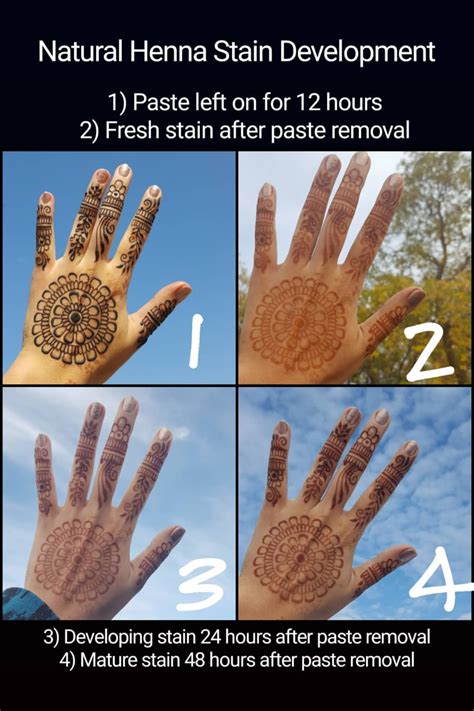
Henna paste is prepared by grinding the stems and leaves of the henna plant. It is then typically applied to the skin using a cone, carrot bag, or hypodermic needle, allowing for precise drawing of patterns. The paste is left on the skin for 2 to 6 hours, or even longer, to achieve a darker stain. The color continues to deepen over the next 2 to 4 days due to oxidation.
Henna "tattoos" are temporary because the dye stains the outer layer of the skin, which naturally exfoliates over time. This process is accelerated by sun exposure and water. Gentle exfoliation with a brush, sponge, or certain creams can help manage the fading process. For black henna, a cotton ball soaked in polyethylene glycol 400 may help in removal.
The duration of a henna stain typically ranges from a few days to several weeks, potentially up to six weeks, depending on factors like sun and water exposure. The stain develops as the top layers of skin absorb the henna dye. The transparency of the dye allows it to complement the natural skin tone, resulting in unique shades for each individual. Skin type and placement also influence the stain's depth and longevity, with drier areas like hands and feet staining the darkest. Body temperature can also affect absorption, with colder temperatures potentially hindering dye penetration.
Henna for Eyebrows, Freckles, and Lips
Beyond traditional body art, henna is also used for cosmetic purposes such as dyeing eyebrows and eyelashes. In the United States, while natural and black henna are approved for hair dye, their use on skin, brows, or lashes is not permitted. A recent beauty trend involves using henna to create temporary freckles, although its safety for facial application is not established. Similarly, the practice of using henna as a lip stain lacks extensive research regarding its safety.
Regulatory Status and Potential Risks
In the United States, henna is approved solely as a hair dye. Its importation for direct skin application is prohibited. Commercially sold henna products intended for cosmetic use must include an ingredients list. However, professionals applying henna in salons or at events are not always required to display this list.
Potential risks associated with henna use include:
- Skin Reactions: While natural henna is generally safe, allergic reactions, though rare, can occur. Most severe reactions are linked to black henna due to the presence of chemical additives like PPD. Approximately 1 in 40 individuals may experience a severe allergic reaction to PPD.
- Sensitization to Other Chemicals: A reaction to PPD can increase the likelihood of severe allergic responses to other substances, including hair dyes, rubber, latex, certain fabrics, paints, photographic developers, inks, sulfonamide antibiotics, and some medications.
- Thick Hair Growth: In some cases, black henna can lead to temporary, rapid hair growth in the treated area.
- Lead Contamination: Certain henna products have been found to contain lead and other heavy metals, posing risks of poisoning, renal failure, and other health issues.
- Anemia: Henna can induce life-threatening anemia in children with glucose-6-phosphate dehydrogenase (G6PD) deficiency, presenting symptoms such as pale or yellowish skin, fatigue, vomiting, and abnormal heartbeat.
A true allergy to natural henna is exceedingly rare. Most adverse reactions are attributed to PPD in black henna. Symptoms of a PPD reaction can include redness, intense itching, oozing, blistering, and scaling. In severe cases, PPD can lead to hives, excessive hair growth, and anaphylactic shock. The rash is sensitive to sunlight, and healing may result in changes in skin pigmentation and scarring. Individuals with allergies to other dyes, antimicrobials, sunscreens, local anesthetics, or rubber/latex may be more susceptible to PPD reactions.
Diagnosis of henna allergies can be made through patch tests or prick tests conducted by a medical professional. If a person has had a previous allergic reaction to henna or PPD, immediate diagnosis and management are crucial due to the potential for cross-reactivity with other allergens.
Tips for Achieving the Darkest and Longest-Lasting Henna Stains
To maximize the darkness and longevity of a henna stain, several practices are recommended:
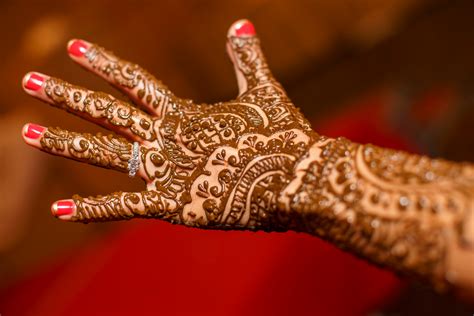
- Choose High-Quality Henna: Opt for 100% natural henna powder with no additives. Fresh henna powder, typically green in color, yields the best results.
- Prepare a Potent Paste: Mix henna powder with an acidic liquid such as lemon juice, apple cider vinegar, or tea to aid dye release. Incorporating essential oils rich in terpine alcohols (e.g., eucalyptus, lavender, tea tree oil) can deepen the stain. Allowing the paste to rest for 8-24 hours at room temperature facilitates proper dye release.
- Proper Application: Ensure the skin is clean and exfoliated before application. Applying the paste in thick layers contributes to a darker stain.
- Extended Contact Time: Leave the henna paste on the skin for a minimum of 4-8 hours, or preferably overnight, for the deepest stain.
- Seal the Henna: Once the paste begins to dry, seal it with a mixture of lemon juice and sugar. This prevents it from cracking and flaking, keeping the skin moist and allowing for longer dye absorption.
- Maintain Warmth: Warm temperatures enhance stain development. Using a hairdryer on a low setting can help maintain warmth.
- Post-Application Care: Avoid washing the treated area with water for the first 24 hours. Instead, use natural oils like olive, coconut, or sesame seed oil to rinse off excess paste and to moisturize the skin afterward. Harsh soaps and exfoliants can accelerate fading.
- Avoid Water Activities: Activities like swimming in the ocean or soaking in hot tubs, as well as using loofahs or shaving, can cause the henna stain to deteriorate more quickly. It is advisable to book henna appointments strategically, for instance, towards the end of a vacation involving hot springs.
Henna stains develop over 2-3 days after application and can last for 1-4 weeks, depending on placement and aftercare. The natural dye content is released through oxidation once the powder is exposed to air and mixed with liquid. As the skin naturally exfoliates, the stain fades. The dye is transparent, adding color to the skin's natural tone, with results varying slightly from person to person.