Food alone does not exclusively cause or prevent acne. A complex interplay of genetics, lifestyle, and dietary choices contributes to this common skin condition. While some foods may exacerbate acne, others can support skin health. Scientists continue to research the specific impact of various foods on acne development, with some preliminary findings pointing to potential triggers.
Milk and Acne: Exploring the Connection
Research suggests a correlation between milk consumption and acne prevalence, particularly with skim milk. The exact mechanisms are still being investigated, but one theory involves the hormones present in milk, which may influence oil production in the skin. Individuals with higher levels of these hormones in their blood tend to experience more acne.
Hormonal Factors in Milk:
- Cow's milk contains natural hormones that can potentially affect human skin.
- Hormonal fluctuations in humans, such as those during puberty, menstruation, or stress, are known acne triggers.
- Insulin-like growth factor-1 (IGF-1) is one such hormone found in milk that is believed to contribute to breakouts.
- Androgens, often referred to as "male hormones" but present in both sexes, can also play a role in acne development.
Inflammation and Milk:
Inflammation is recognized as a significant factor in acne development. While the precise way milk might induce inflammation is not fully understood, one hypothesis is that the sugar content in milk can lead to increased inflammation by causing spikes in blood sugar and insulin levels. This could explain why skim milk, which may have a higher glycemic index than whole milk, appears more likely to be associated with acne in susceptible individuals.
Skim Milk vs. Whole Milk:
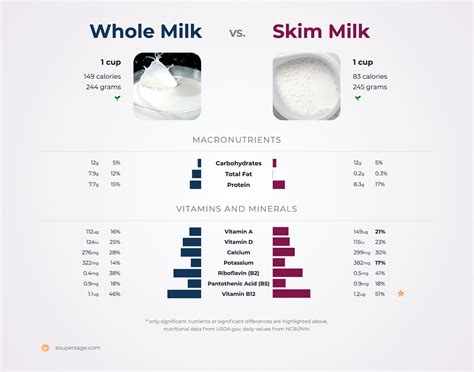
The type of milk consumed may influence its effect on acne. Skim milk has been linked more frequently to acne breakouts than whole milk. This could be due to its potentially higher glycemic index or a lower content of beneficial fatty acids compared to whole milk.
Other Dietary Factors Influencing Acne
High Glycemic Index Foods
Diets rich in foods and drinks like soda, white bread, white rice, and cake are associated with an increased likelihood of acne. These foods have a high glycemic index, meaning they rapidly increase blood sugar levels. The body's response to high blood sugar involves producing more insulin, which can affect other hormones and subsequently boost oil production in the skin.
Chocolate Consumption
Some small studies indicate a link between chocolate consumption and pimple formation, though the exact reason remains unclear. The cocoa itself does not appear to be the primary culprit. Dark chocolate, which typically contains less sugar and milk, might be a better option for those managing acne.
Fiber-Rich Foods
An increased intake of dietary fiber may lead to improvements in acne. High-fiber diets are known to help regulate blood sugar levels, which is beneficial for managing acne. Foods like oatmeal, beans, apples, and carrots are excellent sources of fiber.
Omega-3 Fatty Acids
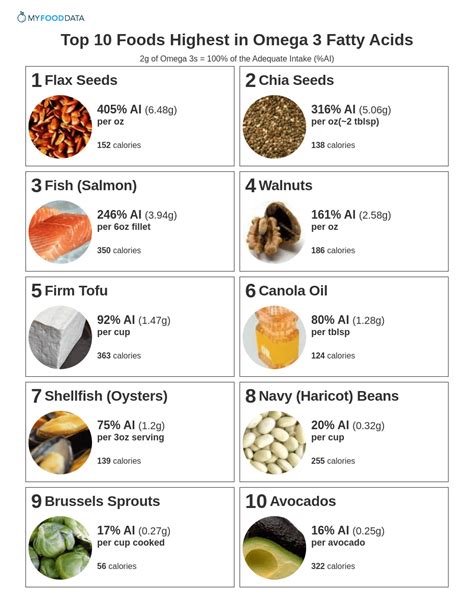
Fatty fish, rich in omega-3 fatty acids, can help reduce inflammation in the body, potentially mitigating acne. These fatty acids may also lower levels of IGF-1, a protein linked to acne.
Antioxidants and Zinc
Individuals with acne often exhibit lower levels of antioxidants like vitamin E and selenium, which are abundant in nuts such as almonds, peanuts, and Brazil nuts. These nutrients protect cells from damage and infection. While direct proof of antioxidants clearing acne is lacking, they contribute to overall health. Zinc, found in foods like oysters and pumpkin seeds, is crucial for skin health, may combat acne-causing bacteria, and helps reduce inflammation. However, excessive zinc intake can lead to health issues.
Iodine Intake
Iodine is essential for proper thyroid function and is found in sources like seaweed, fish, dairy products, and iodized salt. While necessary, excessive iodine intake can trigger breakouts. Most adults require about 150 micrograms daily; a balanced diet typically prevents overconsumption.
Greasy Foods
A common myth suggests that greasy foods cause or worsen acne. While eating them directly may not be the cause, the oil from cooking greasy foods can clog hair follicles, potentially leading to skin issues.
Navigating Dairy Consumption and Acne
The Role of Cheese and Yogurt
Despite a common perception, research has not established a definitive link between cheese consumption and acne. However, it's advisable to limit cheeses high in saturated fat for general health reasons. Yogurt containing probiotics may offer benefits by reducing inflammation and potentially managing acne-associated bacteria.
Whey Protein
Whey protein, a byproduct of cheese production and a common ingredient in protein supplements, has been associated with the development of acne lesions in some studies.
Strategies for Managing Acne Related to Diet
Dietary Modifications
If you suspect dairy or other foods are contributing to your acne, consider temporary elimination to observe any changes in your skin. Opting for dairy-free alternatives, such as almond milk or soy milk, can be a good strategy, provided they are low on the glycemic index.
Patience and Realistic Expectations
Dietary changes may take several weeks or months to show noticeable effects on your skin. It's important to maintain realistic expectations, as eliminating specific foods may not resolve acne entirely, given its complex nature.
Consulting a Professional
If acne persists despite dietary adjustments and over-the-counter treatments, it is advisable to consult a doctor or a dermatologist. They can provide a proper diagnosis and recommend evidence-based treatments. Dermatologists are medical professionals specializing in skin, hair, and nail conditions.
Stress Acne vs. Hormonal Acne: How to Spot and Treat the Difference
Disclaimer: The information provided in this article is for general knowledge and informational purposes only, and does not constitute medical advice. It is essential to consult with a qualified healthcare professional for any health concerns or before making any decisions related to your health or treatment.