Forehead wrinkles are a common concern as we age, but they don't have to define how your skin ages. These fine lines and creases on the forehead can make us look older and can be frustrating to deal with. Fortunately, there are several effective methods and lifestyle changes that can help reduce and even eliminate forehead wrinkles, allowing you to achieve a smoother and more youthful appearance.
Understanding the Causes of Forehead Wrinkles
Forehead wrinkles typically appear due to a combination of natural aging processes and lifestyle factors. As we age, our skin undergoes significant changes that contribute to wrinkle formation.
Natural Aging Process
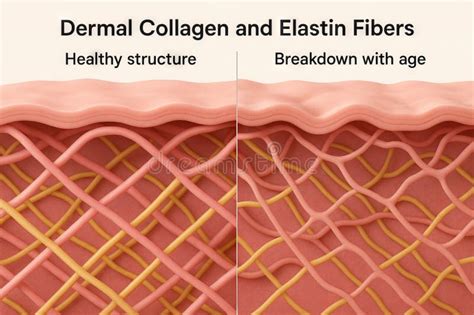
As we age, the production of collagen and elastin in the skin naturally decreases. These proteins are essential for maintaining skin elasticity and preventing the formation of wrinkles. Skin cells divide more slowly, the outer layer thins, and collagen production decreases by about 1% each year starting in your 30s. With less collagen and elastin, skin loses firmness and elasticity, making wrinkles more noticeable. This biological process makes it easier for forehead lines to set in permanently over time.
Lifestyle and Environmental Factors
Daily habits and environmental exposure can also accelerate wrinkle formation:
- Facial Expressions: Repeated facial movements like raising your eyebrows, frowning, or squinting can create lines that may eventually become permanent. These movements cause little creases to form in the same spots over and over again. Eventually, those creases can become permanent lines on the forehead that persist even during rest.
- Sun Exposure: Unprotected sun exposure is a primary cause of fine lines on the forehead due to UV damage. UV rays break down collagen and elastin, leading to wrinkles appearing more quickly. They break down the skin's ability to remain firm and resilient against gravity.
- Smoking: Tobacco use slows collagen production, causing lines to show up sooner. Smoking damages collagen and elastin, leading to premature aging and the formation of wrinkles.
- Pollution & Free Radicals: Environmental stressors like cigarette smoke, chemical pollution, and heavy metals can damage your skin over time and contribute to aging.
- Genetics: Some individuals notice forehead lines in their late 20s, while others might not see them until their 40s. If your mom or dad have deep forehead lines, you're likely to have them too.
- Dehydration and Skin Type: If your skin tends to be dry or is really thin, you might notice fine lines on the face earlier than those with oily skin. That's because your skin doesn't have as much natural moisture or cushion to keep it looking smooth.
- Chronic Stress: Chronic stress can elevate cortisol levels, which in turn can break down collagen and lead to premature aging.
Natural and At-Home Strategies to Reduce Forehead Wrinkles
While deep-set wrinkles often need professional treatments, you can significantly soften their appearance and prevent new ones from forming with consistent at-home strategies and natural methods.
1. Hydration and Skin-Friendly Foods
Keeping your skin hydrated is crucial for maintaining its elasticity and plumpness. Drinking plenty of water throughout the day helps your skin maintain its plumpness and resilience against the formation of fine lines. Similarly, your diet shapes your skin:
- Omega-3-rich foods (like salmon, chia seeds, and walnuts) strengthen your skin barrier and keep it supple.
- Antioxidant-packed foods (berries, leafy greens, and colorful vegetables) fight free radical damage that accelerates aging.
- Vitamin C and E sources (citrus, nuts, seeds) support collagen production to maintain firmness.
Eating well won’t erase wrinkles overnight, but it provides your skin with the building blocks it needs to stay resilient.
2. Daily Sunscreen Application
One of the simplest and most effective ways to reduce forehead lines is by applying sunscreen every day. Sun exposure is a major cause of forehead wrinkles, as UV rays break down collagen and elastin, speeding up the aging process. By using a broad-spectrum sunscreen with at least SPF 30, you can protect your skin from further damage. It's essential to pair this with retinol use, as retinol can make your skin more sensitive to sunlight. Sunshine can stream in through windows, so it’s advisable to apply sunscreen every morning, even when spending time indoors.

3. Incorporate Retinol
Retinol, a derivative of Vitamin A, is one of the most researched and effective ingredients for reducing wrinkles. It works by increasing cell turnover and boosting collagen production, gradually helping to smooth fine lines on the forehead. For best results, start with a low-strength formula (around 0.2-0.3%), applied two to three nights a week. As your skin builds tolerance, you can slowly increase the frequency. Over time, consistent use can make forehead lines noticeably softer and improve overall skin texture.
4. Facial Massage and Gua Sha
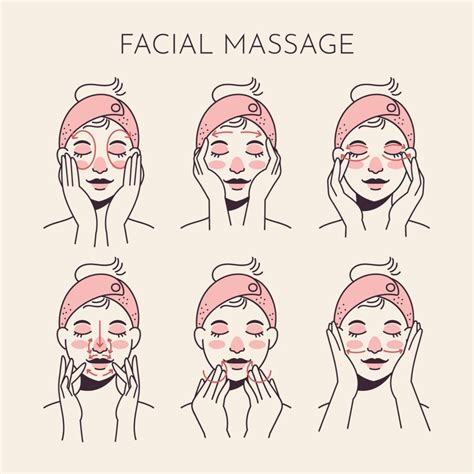
Gentle facial massage or using a gua sha tool can be a simple yet effective way to reduce forehead wrinkles naturally. These techniques help relax tight forehead muscles and boost blood circulation, which can soften dynamic wrinkles. For best results, combine your facial massage or gua sha routine with a hydrating serum or hyaluronic acid serum. This not only helps the tool glide smoothly over your skin but also supports skin hydration, making forehead lines less noticeable over time.
5. Sleep and Stress Management
Getting enough sleep and managing stress are key steps in reducing forehead wrinkles naturally. When your body is under stress, it releases cortisol, a hormone that breaks down collagen and accelerates aging. Poor sleep can also reduce your skin’s elasticity, making fine lines more noticeable. Aim for 7-9 hours of quality sleep each night, try stress-reducing practices like meditation, deep breathing, or yoga, and avoid sleeping with your face pressed into your pillow. These habits not only help prevent forehead lines but also support overall skin health.
6. Beneficial Skincare Ingredients
Choosing the right active ingredients is the best way to manage forehead wrinkles over time. These components work to resurface, hydrate, and protect the skin barrier against future damage:
- Hyaluronic Acid: This powerful humectant attracts and retains water molecules to hydrate and plump the skin, helping to smooth fine lines and wrinkles. It immediately plumps the skin and helps to get rid of forehead wrinkles caused by dehydration.
- Vitamin C: This potent antioxidant protects the skin from free radicals caused by pollution and UV exposure, helping to prevent collagen loss. Beyond protection, it is highly effective at brightening the complexion and supporting the skin's natural renewal process.
- Peptides: These vital messengers signal the skin to maintain its structural integrity and firmness. By supporting the skin's natural collagen and elastin levels, they help to combat the sagging that leads to forehead wrinkles.
- AHAs (Alpha Hydroxy Acids) like Glycolic Acid: These gently dissolve the "glue" that holds dead skin cells together, revealing a fresher layer underneath. This exfoliation process helps to remove forehead wrinkles from the surface and improves overall skin radiance.
- Niacinamide (Vitamin B3): This versatile ingredient helps to strengthen the skin's moisture barrier, calm irritation, and balance uneven skin tone. It is particularly effective at smoothing the appearance of fine lines on the forehead.
7. Natural Topical Treatments
- Coconut Oil: A natural emollient that fills in the gaps in the epidermis, making skin feel smooth. It also helps skin retain moisture, making the face appear fuller.
- Aloe Vera: Known for its moisturizing and skin-repairing properties.
- Essential Oils: Some studies suggest essential oils can help protect skin health and potentially treat forehead wrinkles.
8. Facial Exercises and Yoga
Regularly performing facial exercises, such as face yoga exercises, can help tone the muscles underlying your skin, reducing the prominence of wrinkles.
Professional Treatments for Forehead Wrinkles
For more advanced solutions and deeper lines, dermatologists offer several highly effective anti-aging treatments.
1. Neurotoxin Injectables (Botox, Dysport, Xeomin)
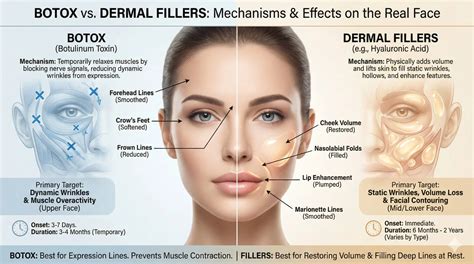
Neurotoxin-based injectables are among the most effective ways to smooth forehead wrinkles. These treatments work by relaxing the muscles under your skin, preventing movements like frowning or raising your eyebrows that cause dynamic wrinkles. Over time, consistent use can soften forehead lines and prevent them from deepening. When muscles move frequently, they get stronger and bigger, which deepens wrinkles. Neurotoxins help the muscles thin out gradually, allowing the skin above to appear smoother. Results typically last three to four months.
2. Dermal Fillers
For deep forehead wrinkles that remain even when your face is at rest, hyaluronic acid-based fillers are highly effective. Fillers add volume beneath the skin, lifting and smoothing out creases. Unlike Botox, which relaxes muscles, fillers target static wrinkles, helping to get rid of forehead wrinkles without Botox. Strategic placement can improve overall forehead appearance for natural-looking results.
3. Chemical Peels
Chemical peels exfoliate the top layer of skin, removing dead cells and encouraging collagen production. This improves skin texture and reduces forehead lines. Superficial and medium-depth peels are generally safe and effective, though multiple sessions may be needed for optimal results. Professional guidance helps avoid side effects like redness, burning, or pigmentation changes.
4. Laser Resurfacing
This treatment stimulates collagen and elastin production while renewing skin. It works on both superficial and deeper forehead wrinkles. Downtime can range from one day to a week, depending on intensity. Many patients notice significant improvement after just one session, though deeper lines may require multiple treatments.
5. Microneedling (with or without PRP)
Microneedling involves tiny punctures in the skin, which stimulate collagen production and improve overall texture. Combining it with platelet-rich plasma (PRP) can enhance results because PRP contains growth factors that aid healing and skin rejuvenation. This treatment is especially effective for deeper forehead wrinkles.
6. Facelift Surgery
For severe cases, including deep forehead wrinkles or sagging skin, facelift surgery offers the longest-lasting solution. It targets both wrinkles and loose skin, providing a youthful, smooth appearance.
Potential Risks and Side Effects
While forehead wrinkle treatments are generally safe, they do carry some potential risks and side effects depending on the procedure:
- Allergic reactions to injectable products or topical solutions.
- Temporary changes in skin color or texture, such as redness, pigmentation, or uneven tone.
- Formation of small bumps or lumps under the skin after fillers if not properly administered.
- Limited muscle movement in the treated area (temporary paralysis) following neurotoxin injections.
- Pain, swelling, or bruising at the treatment site.
- Infections or scarring in invasive procedures like facelifts or deep chemical peels.
To minimize risks, always consult a board-certified dermatologist or plastic surgeon and follow pre- and post-treatment instructions carefully. Choosing an experienced provider ensures more natural results and reduces complications.