Summer activities like swimming and beach visits often involve sunscreen, which can leave stubborn stains on swimwear. Fortunately, several effective methods can help remove these marks, preserving your favorite swimsuits.
Understanding Sunscreen Stains
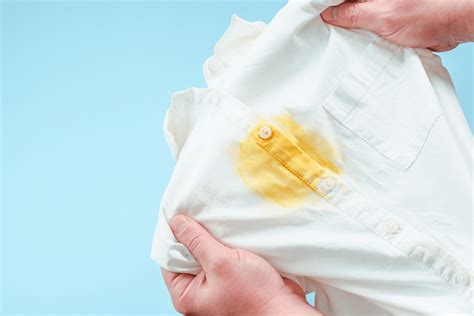
Sunscreen stains, particularly those from spray formulas, can be challenging to remove due to their oily and chemical composition. These stains often appear as yellow or discolored patches on fabric, especially around areas like the neck and legs.
Pre-Treatment Methods for Sunscreen Stains
Before washing, pre-treating the stained areas is crucial for effective stain removal. Several household items can be used as powerful stain removers:
1. Dish Soap (Degreaser) Method
Dish soap, especially those formulated to cut grease, is highly effective against sunscreen stains. Apply a generous amount of dish soap directly onto the stain. For best results, let it sit for at least 24 hours. This extended contact time allows the soap to break down the oily components of the sunscreen.
2. Baking Soda Paste
Baking soda is a versatile cleaning agent that can tackle both chlorine and sunscreen stains. Create a paste by mixing baking soda with water. Gently rub this paste onto the stained areas before proceeding with the wash cycle.
3. Lemon Juice Soak
The natural acidity of lemon juice makes it an effective stain remover. Soaking the affected areas in lemon juice can help to lift stubborn stains. This method is particularly useful for lighter fabrics.
Washing Techniques for Stain Removal
After pre-treating, the washing process plays a vital role in completely removing the stains. Always follow these guidelines:
1. Use Cold Water
It is essential to use cold water when washing stained swimwear. Hot water can set stains, making them more difficult to remove. Always opt for cold water for both pre-soaking and the wash cycle.
2. Soaking in the Washing Machine
After applying a pre-treatment, place the stained items in your washing machine. Set the machine to the smallest load possible. Add a normal amount of laundry detergent, such as Tide or Clorox 2. Allow the items to soak for at least 2 hours. For more stubborn stains, extending the soak time up to 24 hours can yield better results, though it's advisable to avoid excessively long soaks that might cause odors.
How to Soak Clothes in an LG Front Load Washing Machine
3. Enzyme-Based Stain Removers
For persistent stains, consider using enzyme-based stain removers. These products are specifically designed to break down organic matter, including the proteins found in sunscreen and body oils, making them highly effective.
4. Rinsing Thoroughly
After the wash and soak cycle, ensure that all soap residue is thoroughly rinsed out. This is particularly important when using dish soap, as excess suds can cause issues in the washing machine.
Preventative Measures to Avoid Sunscreen Stains
The best approach to dealing with sunscreen stains is to prevent them from occurring in the first place:
1. Allow Sunscreen to Dry
To prevent sunscreen from transferring to clothing and swimwear, allow the sunscreen to dry completely on your skin before getting dressed. This simple step can significantly reduce the likelihood of stains.
2. Rinse Swimwear Immediately
Whenever possible, rinse your swimwear with cold water immediately after exposure to chlorine or sunscreen. This helps to remove residue before it has a chance to set into the fabric.
3. Rinse Swimwear Separately
For swimwear, it is recommended to rinse them separately in cold water after each use. This provides them with extra care and helps maintain their condition and color.
4. Sun-Drying for Final Treatment
After washing and treating stains, sun-drying your swimwear can be beneficial. The natural UV rays from the sun can help break down any remaining traces of chlorine or sunscreen residue.