Condensation inside a tent is a common issue that can turn a comfortable camping trip into a damp and miserable experience. While tents are designed to be waterproof, moisture can still accumulate inside due to a variety of factors. Understanding the causes of condensation is the first step to effectively preventing and managing it, ensuring a drier and more enjoyable camping experience.
Understanding Tent Condensation
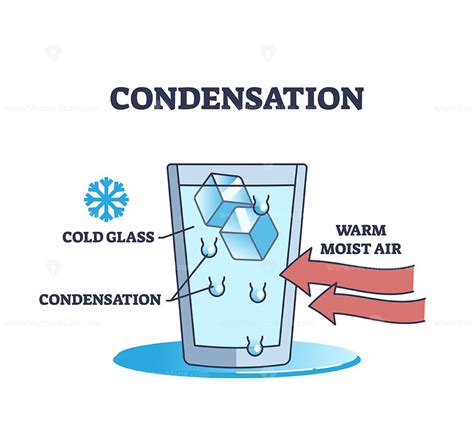
Tent condensation occurs when warm, moist air inside the tent comes into contact with cooler surfaces, such as the tent walls or rainfly. This temperature difference causes the water vapor in the air to condense into liquid droplets. This phenomenon is most pronounced at night when temperatures drop, increasing the likelihood of condensation forming.
Key Factors Contributing to Condensation:
- Environmental Humidity: Camping in humid regions, especially during warmer months, makes condensation nearly inevitable. As temperatures decrease, the air's ability to hold moisture lessens, leading to water vapor settling on cooler surfaces.
- Respiration: Each person exhales moisture during sleep. In a confined space like a tent, especially with multiple occupants, this moisture can accumulate rapidly, contributing significantly to interior humidity.
- Wet Gear: Bringing damp hiking clothes, shoes, or other gear inside the tent traps moisture. Since the tent's interior is largely sealed off from the outside air, this moisture contributes to a humid environment.
- Ground Moisture: The ground itself can be a source of moisture. Camping on damp ground, especially in low-lying areas or near bodies of water, can increase the humidity inside the tent.
The consequence of unchecked condensation ranges from a minor annoyance, like waking up to water dripping on your face, to a more significant problem that can degrade the tent's materials over time. Prolonged exposure to moisture can weaken seams and compromise waterproofing, potentially leading to leaks.
Strategies for Preventing Condensation
The most effective approach to managing condensation is to prevent it from forming in the first place. This involves careful campsite selection, proper tent setup, and mindful management of moisture sources.
1. Choosing the Right Campsite
The location where you pitch your tent plays a crucial role in minimizing condensation. Consider the following:
- Elevated and Dry Ground: Avoid low-lying areas, such as creek beds or valley bottoms, where cold air and moisture tend to collect. Opt for higher, drier ground. Lightly kicking the dirt can reveal if the ground is excessively wet, indicating a need to move.
- Proximity to Water Sources: Camping directly beside lakes or rivers can increase ambient humidity, which can then transfer into your tent.
- Natural Breezes: Positioning your tent to face a natural breeze can help carry moisture away.
- Under Tree Cover: Camping under trees can create a slightly warmer microclimate around your tent, which may reduce the temperature difference between the interior and exterior, thus lessening condensation. Ensure there are no dead trees or hanging branches overhead for safety.
2. Optimizing Tent Setup and Ventilation
Proper tent setup and ventilation are paramount for allowing moisture to escape.
- Maximize Airflow: Tents are designed with vents to promote airflow even when doors are zipped shut. Ensure these vents are open and unobstructed. Pitching the tent tautly and at an appropriate height can increase air movement near the bottom.
- Open Doors and Vents: Leave tent doors open as much as practical, especially during dry weather. Unzipping doors or vents at the top or bottom encourages air circulation.
- Lift Tent Skirts: For tents with adjustable skirts, lifting the sides can significantly increase ventilation.
- Utilize Vestibules: Vestibules, or "covered porches," are ideal for storing wet gear. This keeps moisture outside the main sleeping area and helps maintain a similar temperature between the inside and outside of the tent.
- Proper Rainfly Tension: Ensure the rainfly is staked out tautly and tensioned correctly to maintain adequate airspace between it and the inner tent wall. This allows condensation to bead and run down the outside of the fly.
TSC Boys Tent Pitching in less than 8 minutes || #NCC #Training | Cadets are so fast!
3. Managing Internal Moisture Sources
Reducing the amount of moisture introduced into the tent is critical.
- Dry Gear Before Entry: Never bring wet clothes, shoes, or damp gear inside the tent. Store them in the vestibule or outside to dry.
- Ventilate Before Bed: If daytime temperatures were warm, open up and vent the entire tent before going to bed. This allows trapped heat and humidity to escape, setting the stage for a drier night.
- Consider Tent Size and Occupancy: Larger tents with fewer occupants generally experience less condensation due to a lower ratio of body moisture to air volume.
Dealing with Existing Condensation
Even with the best preventive measures, some condensation may still occur. Having a plan to manage it is essential.
- Wipe Down: A quick wipe-down with a microfiber towel or cloth can effectively manage moisture buildup on tent walls. Keep a small pack towel handy for this purpose.
- Tent Liners: For single-wall tents, a liner can act as an interior shield, catching drips and directing moisture to the tent floor, effectively creating a double-wall system.
- Portable Stoves (in cold weather): In colder conditions, a portable wood stove can help dry out a tent. The heat warms the air, increasing its capacity to hold moisture, which then evaporates. This can also help dry damp gear.
Post-Trip Care for Your Tent
Proper care after a camping trip is vital to prevent long-term damage from moisture.
- Air Out Thoroughly: Upon returning home, pitch your tent in a backyard or garage for at least a night. Open the doors and vents and allow it to dry completely, both inside and out.
- Dry Sleeping Gear: Hang sleeping bags and other sleeping gear for 24-48 hours to ensure they are fully dry before storage.
By understanding the causes of tent condensation and implementing these strategies, you can significantly reduce moisture buildup and enjoy a more comfortable and drier camping experience. While it's impossible to eliminate condensation entirely, consistent attention to airflow, campsite selection, and moisture management will make a substantial difference.