Maintaining the vibrant look of your tattoos while enjoying a tan requires careful attention, especially when it comes to sun exposure. Whether you're considering tanning beds or simply spending time outdoors, understanding how UV rays affect tattoo ink is crucial. Fortunately, simple yet effective methods can help you achieve your desired tan without compromising the integrity of your ink.
Understanding the Impact of UV Rays on Tattoo Ink
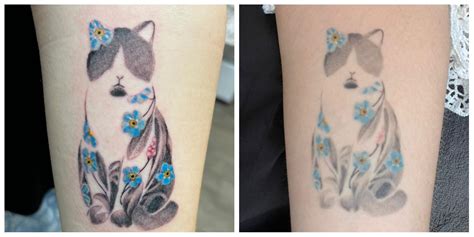
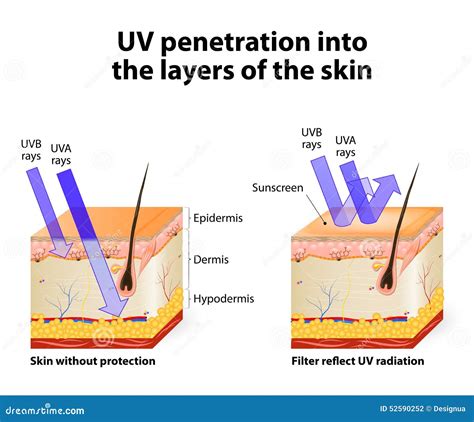
When your tattooed skin is exposed to UV light, whether from the sun or a tanning bed, the rays penetrate the skin and begin to break down the pigments in the ink. This process can lead to fading and a dull appearance over time. Fresh tattoos are particularly vulnerable because they are still in the healing process, meaning the skin is more fragile and the ink hasn't fully settled.
Even old tattoos are not entirely safe from the damaging effects of UV radiation. Bold colors such as red, yellow, and blue are especially prone to fading. On top of that, UV rays dry out the skin, which can lead to flaking and peeling, further compromising the tattoo's appearance.
Sunscreen: Your First Line of Defense
If you're planning on spending time in the sun or using a tanning bed, applying a broad-spectrum sunscreen with an SPF of 30 or higher directly on your tattoos is a must. This provides a solid layer of protection against ink-fading UV rays. Make sure to apply sunscreen generously, as thorough coverage is key to effectiveness.
Pro Tip: Opt for a higher SPF if your tattoo features bright colors like red, yellow, or purple, as these shades tend to fade more quickly than black or darker tones. Dr. Kwan and Savage agree that mineral sunscreens containing zinc oxide or titanium dioxide are the best option for tattooed skin.
It's important to note that newly tattooed skin should be fully healed before sunscreen is applied. Fresh tattoos are essentially open wounds and require a different approach to protection during the healing phase.
Protecting Fresh Tattoos
When it comes to new tattoos, you should not put sunscreen on them immediately. A tattoo is considered an open wound, and it typically takes between 3-4 weeks for it to completely heal. During this healing period, it is important to ensure your tattoo is covered up and not exposed to the sun.
Loose, lightweight clothing is an ideal way to keep a fresh tattoo covered while it heals. This physical barrier protects the delicate skin and the settling ink from harmful UV rays. Additionally, avoid exposing new tattoos to salt water and chlorine, as these can lead to infections and further damage.
Always listen to the advice of your tattoo artist. They will provide specific guidance on what sun protection is suitable for your new tattoo and how long you should take to ensure proper healing.
Alternatives to Tanning Beds
If you love your tattoos and want to avoid the risks associated with tanning beds, spray tanning and self-tanning lotions offer fantastic alternatives. These options allow you to achieve a bronzed glow without exposing your ink to damaging UV rays.
Spray tans are a quick, painless, and safe option for most skin types. However, keep in mind that spray tans typically last about a week, requiring regular touch-ups to maintain your desired color. If you opt for spray tanning, be sure to follow the after-care instructions regarding showering times to ensure the best results.
Spray Tan Aftercare Tips & Tricks | How to Make Your Tan Last Longer | Sjolie Sunless
Tanning Lotions with Tattoo Protection
Some tanning lotions are formulated with built-in tattoo protectors, offering a dual benefit of achieving a tan while safeguarding your ink. These specialized lotions can help to moisturize the skin and provide a barrier against UV damage.
Long-Term Tattoo Care and Sun Damage
Sun damage is one of the fastest ways to ruin a tattoo, leading to premature fading and a loss of vibrancy over time. The pigment in tattoos is broken down by the sun's UV rays, and these changes can be accelerated by chronic sun exposure.
Maintaining good skincare is essential once you get a tattoo. Keeping the skin moisturized and protected will help preserve the tattoo's appearance for years to come. If you notice a tattoo losing its look over time, it's often due to cumulative sun exposure.
For those with extensive tattoos or large portions of skin covered, annual skin screenings are recommended, especially if you are at increased risk of skin cancer. In some cases, medical treatments for skin cancer might require cutting into tattoos, so it's important to discuss your treatment options with a care team you feel comfortable with.