The effectiveness of repeated exposure to information is well-known in advertising, and this principle can be applied to skincare as well. Initially hesitant about microneedling, a conversation with dermatologists about the safety of the technology, specifically the Qure system, led to a decision to try it.
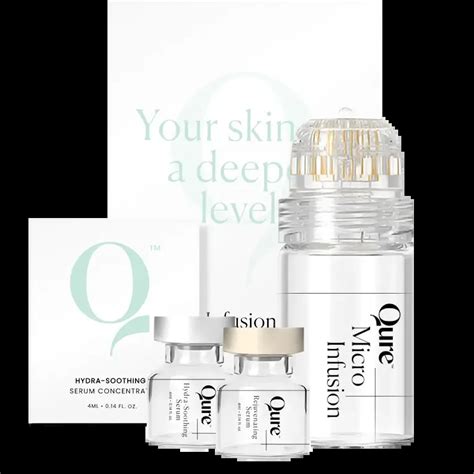
It's important to distinguish between different types of microneedling devices. The Qure system is a micro-infusion device, which differs significantly from traditional derma rollers. Derma rollers, which have a rolling head covered in multiple needles, can become unhygienic and dull over time, potentially causing more harm than good. In contrast, the Qure system utilizes a fresh, EO-sterilized needle head with each treatment. These heads are equipped with multiple 24k-gold-plated needles. For this review, the needle heads were paired with a wrinkle serum, aiming to delay the need for Botox.
Getting Started with Qure Micro-Infusion
Preparation and Patch Testing
As with any new skincare treatment, the first crucial step is to patch test the device and serum. Although not always a strict habit with skincare, a degree of nervousness and a desire to ensure no adverse reactions prompted adherence to this recommendation. The brand also advises using the tool at night. Before application, the skin should be thoroughly cleansed, ideally with a double-cleansing method involving an oil cleanser followed by a traditional cleanser.
The Microneedling Process
A primary concern for many users, including the reviewer, is pain. Having previously undergone in-office microneedling in Seoul where the face was fully numbed, there was uncertainty about the sensation with an at-home device. The experience with Qure was surprisingly pain-free. The process involves starting at the center of the face and working outwards, covering the entire face. The initial pass is barely noticeable, and while there might be slight sensitivity during a second pass, it is not described as painful.
The device comes with enough serum for up to three passes. It is recommended to focus on areas of particular concern, such as crow's feet, smile lines, and the forehead. After the passes, any remaining serum should be pressed into the skin to maximize absorption of the valuable product. Post-treatment, the skin may appear slightly red, which is a normal and expected reaction that typically fades within a few hours. The entire procedure is quite swift, taking approximately five minutes, making it a convenient option compared to other time-consuming at-home devices.
Results and Recommendations
Frequency and Observed Benefits
The brand suggests using the Qure Micro-Infusion System every two weeks. This recommended frequency allows for gradual results, a pace that many users, including the reviewer, prefer for its manageability. In the intervals between treatments, the skin can appear hydrated, dewy, and generally healthier.
With consistent use over time, more significant benefits become apparent. The skin tone becomes more even and balanced, which is particularly beneficial during seasons that can leave the skin looking dull and dry. However, it's important to maintain realistic expectations. At-home micro-infusion, while effective, is not a replacement for professional in-office microneedling or advanced treatments like Platelet-Rich Plasma (PRP) injectables. For individuals with specific concerns like dark circles, hyperpigmentation, or rosacea, at-home options offer a more accessible and less expensive way to supplement professional treatments and enhance a consistent skincare routine.
Expert Endorsement and Device Technology
The Qure Micro-Infusion System has garnered expert approval. Iván Pol, a renowned facialist for celebrities, has spoken highly of this system, using it to achieve a "dewy, delicious, glowing complexion" for his clients, especially before major events. His endorsement, based on his work with high-profile clients, lends significant credibility to the device.
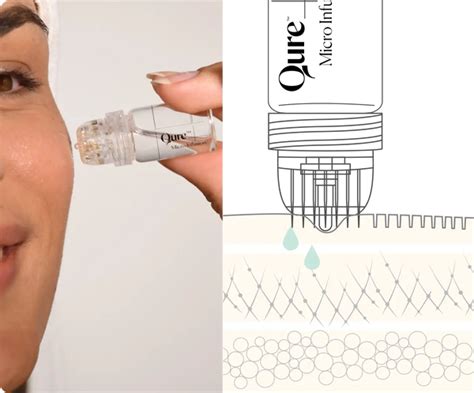
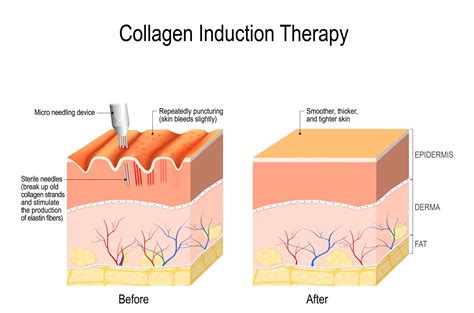
Dr. Luke Maxfield, a board-certified dermatologist, explains that microneedling works by creating tiny punctures in the skin with needles. This controlled mechanical trauma stimulates the skin's natural healing and repair mechanisms and significantly enhances the absorption of topical ingredients. The benefits extend to increased collagen production, leading to firmer, plumper, and more youthful-looking skin. It can also reduce the appearance of fine lines, wrinkles, sun damage, enlarged pores, and acne scars.
In-Office vs. At-Home Microneedling
While most intensive microneedling treatments are performed in clinical settings by professionals using devices like Dermapens, which rapidly pulse to create thousands of micro-holes, at-home options have evolved. Dr. Maxfield highlights the potential risks associated with derma rollers, including skin tearing, infection due to non-single-use tips, and inconsistent needle lengths. These factors can lead to unnecessary trauma, hyperpigmentation, or scarring.
In contrast, at-home microneedling devices like the Qure Micro-Infusion System are designed to mimic the safety and efficacy of professional treatments. This method is often referred to as "micro-stamping" because it involves gently stamping needles into the skin, minimizing tearing and trauma. The Qure system uses sterile, single-use 24-karat gold-plated needle tips, significantly reducing the risk of infection. The needle length is carefully calibrated for effectiveness while remaining safe for sensitive areas, including the skin around the eyes and mouth. Furthermore, the system is designed to be used with specific serums formulated to work synergistically with the micro-channels created by the needles.
Microneedling at Home? QURE Micro Infusion System #qureskincare #microneedling
Suitability and Precautions
The Qure Micro-Infusion System is generally considered beneficial for most skin types. As microneedling addresses signs of aging and enhances ingredient absorption, individuals experiencing the natural aging process can expect positive outcomes. However, for those highly prone to hyperpigmentation, particularly individuals with deeper skin tones, Dr. Maxfield advises proceeding with caution and conducting a patch test on a small area of skin before attempting a full treatment. Nevertheless, the thoughtful design of the Qure system, with its focus on delivery, sterility, and depth, greatly mitigates these risks compared to other devices.
Understanding the Qure System Components and Usage
System Contents
A typical three-month supply of the Qure Micro-Infusion System includes:
- 1 reusable micro-stamping chamber for holding the serum.
- 6 single-use needle heads that attach to the chamber.
- 3 ampoules of Rejuvenating Serum.
- 3 ampoules of Hydra-Soothing Serum.
Serum Options and Ingredients
The choice of serum depends on the desired outcome:
- Rejuvenating Serum: Ideal for brightening discoloration, fading dark spots, and evening out skin tone. Key ingredients include:
- Epidermal Growth Factor: Works at a cellular level to repair skin, reduce wrinkles, and prevent pigmentation.
- Niacinamide: Soothes, brightens, and clarifies the skin.
- Tranexamic Acid: Brightens and evens skin tone.
- Hydra-Soothing Serum: Designed to plump and hydrate the skin, and reduce the appearance of wrinkles. Key ingredients include:
- Beta-Glucan: Hydrates the skin, strengthens the skin barrier, and acts as an antioxidant.
- Copper Peptides: Stimulate collagen production.
- Sodium Hyaluronate: Locks in moisture, similar to hyaluronic acid.
The brand also suggests that users can mix half of one ampoule with half of the other in the micro-infusion chamber for a combined treatment.
Step-by-Step Usage Guide
For optimal results and safety, follow these steps:
- Cleanse: Start with clean, dry skin. It is crucial to maintain hygiene. Wash your face and hands thoroughly. Using a product like the Qure Hypochlorous Acid Dermal Mist can further ensure skin cleanliness.
- Prepare the Device: Remove a sterile micro-needling head from its packaging and attach it to the device. Pour the contents of one ampoule of serum into the chamber. Close the chamber tightly.
- Serum Infusion: Leave the device upside down for at least one to two minutes to allow the serum to fully saturate the needle head. This step is critical for proper serum delivery.
- Micro-Stamping: Begin stamping the device onto the skin, working from the center of the face outwards. Perform two to three passes over each area of the face and neck.
- Post-Treatment Application: Apply any remaining serum from the device onto the face and neck. This helps the serum penetrate the micro-channels created.
- Disposal: Place the lid back on the used needle head and dispose of it properly.
The immediate aftermath of using the Qure Micro-Infusion System can be striking. Users report feeling that their skin looks firmer, plumper, and more even-toned. Notably, improvements in dark circles have been observed, with some users feeling they no longer need concealer. The brand indicates that a significant percentage of customers notice results within a day of their first treatment.
Long-Term Results and Maintenance
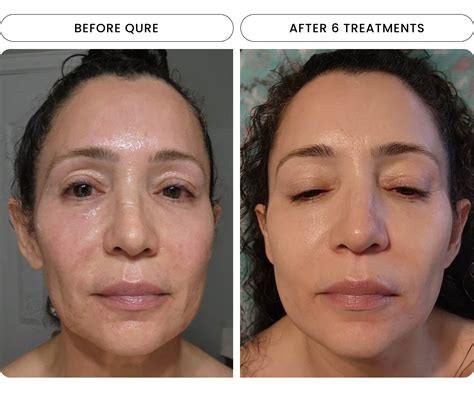
While initial results can be impressive, the brand recommends a course of six treatments, spaced approximately two weeks apart, over several months to achieve optimal and lasting results. Dr. Maxfield likens microneedling to an occasional boost rather than a foundational skincare step like sunscreen or retinoids. Consistent, periodic treatments every two weeks can lead to the best possible outcomes over time.
tags: #how #to #use #qure #microneedling