Vaginal dryness is a common issue affecting women of all ages due to various factors, including menopause, hormonal fluctuations, and certain medications. This discomfort can significantly impact daily life and intimate relationships. Hyaluronic acid vaginal suppositories offer a scientifically supported, non-hormonal solution to address these concerns.
Understanding Hyaluronic Acid's Role in Hydration
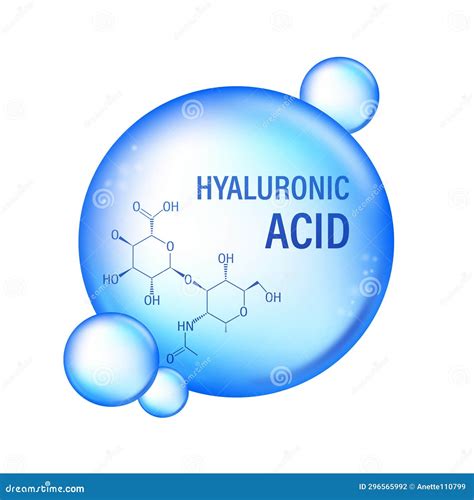
Hyaluronic acid (HA) is a naturally occurring substance in the body, specifically a glycosaminoglycan, found in connective tissues. Its primary function is its remarkable ability to attract and retain water. A single molecule of hyaluronic acid can hold up to 1,000 times its weight in water, acting like a microscopic sponge.
This exceptional water-binding capacity is crucial for maintaining hydration, elasticity, and the structural integrity of tissues, including the delicate vaginal tissues. HA is a natural component of vaginal walls, helping to keep mucosal tissues plump, hydrated, and resilient. When the body's natural production of HA decreases, or other factors lead to dryness, supplementing with HA can help restore essential moisture.
How Hyaluronic Acid Addresses Vaginal Dryness
Hyaluronic acid provides a compelling, non-hormonal approach to relieving vaginal dryness. Vaginal suppositories deliver HA directly to the affected tissues, working to restore hydration from within. HA forms a viscoelastic matrix on the vaginal epithelium, enhancing natural moisture and reducing transepithelial water loss (water loss through the skin).
Clinical research supports the efficacy of hyaluronic acid in alleviating symptoms of vaginal atrophy, such as dryness and painful intercourse (dyspareunia). Studies have shown its effectiveness to be comparable to traditional low-dose estrogen therapies. For instance, one multicenter clinical trial involving postmenopausal women found that a hyaluronic acid vaginal gel achieved an 84.44% improvement rate in vaginal dryness symptoms, a result statistically similar to that of estriol cream [2]. A systematic review of five studies further concluded that HA has a comparable profile of efficacy, safety, and tolerability to vaginal estrogens for treating vaginal atrophy [3]. This makes it a validated alternative for women who prefer or cannot use hormonal treatments.
Supporting a Balanced Vaginal Ecosystem
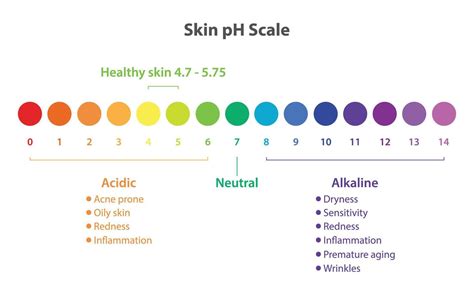
Beyond its moisturizing effects, hyaluronic acid contributes to the overall health of the vaginal ecosystem. A healthy vaginal environment is characterized by a slightly acidic pH (3.8-4.5), maintained by beneficial bacteria like Lactobacillus species producing lactic acid [4, 5]. This acidity protects against pathogenic organisms.
Vaginal dryness and atrophy can lead to an increase in pH, disrupting this delicate balance. By restoring hydration and supporting the integrity of the vaginal mucosa, hyaluronic acid helps create an environment conducive to the thriving of beneficial bacteria. Well-hydrated tissues are healthier and more resilient, which in turn supports the maintenance of an optimal pH. This highlights how non-hormonal, tissue-focused treatments can positively impact the entire vaginal ecosystem.
From Science to Practical Application
Understanding the science behind how ingredients work is key to making informed choices. Sufficient concentrations of hyaluronic acid are necessary to achieve its hydrating and regenerative effects. Formulations containing 10mg of hyaluronic acid, for example, are designed to deliver a clinically relevant amount directly to the vaginal tissues.
Products that prioritize ingredient efficacy, such as those combining 10mg of hyaluronic acid with supportive ingredients like lactic acid (to maintain optimal pH) and vitamin E (to nourish tissue), aim to provide not just temporary relief but also support the body's natural mechanisms for hydration and balance.
Practical Considerations for Using Hyaluronic Acid Suppositories
Hyaluronic acid suppositories are a gentle and effective option for managing vaginal dryness, particularly during perimenopause and menopause, postpartum, or when dryness is related to certain medications. A common usage pattern involves an initial period of daily use for several consecutive days, followed by a maintenance schedule as needed.
It is always recommended to consult with a healthcare provider to determine the specific cause of symptoms and the best course of treatment. Professional medical advice is essential if severe discomfort is experienced or if symptoms persist.
Frequently Asked Questions
How long does it take for hyaluronic acid suppositories to work?
Many women report initial relief from dryness within the first few uses. For more significant and lasting improvements in tissue hydration and elasticity, consistent use over several weeks is often recommended, allowing time for hyaluronic acid to help restore the mucosal tissue.
Is hyaluronic acid safe for long-term use?
Yes, hyaluronic acid is considered very safe for long-term use due to its biocompatibility and natural presence in the body. Adverse reactions are rare and typically limited to mild, transient local irritation [3].
Can I use hyaluronic acid suppositories if I cannot use hormones?
Absolutely. Hyaluronic acid is a non-hormonal treatment whose mechanism of action is independent of hormones [1]. It serves as an excellent, evidence-based alternative for women with contraindications to estrogen therapy, such as breast cancer survivors, or for those who prefer non-hormonal options.
How to insert Vaginal Pessary into Vagina during your IVF Treatment| IVF Medications | Progesterone
Causes and Symptoms of Vaginal Dryness
Vaginal dryness often occurs due to a loss of estrogen in the vagina. This can result from hormonal changes associated with menopause, postpartum periods, breastfeeding, or medications used to lower estrogen levels (e.g., in breast cancer treatment). Chronic conditions like Sjogren's disease, chemotherapy, and pelvic radiation can also contribute.
The resulting discomfort can be significant, causing pain during sexual intercourse, physical activities like riding a bicycle or sitting for extended periods, and making pelvic exams more uncomfortable. It can also lead to urinary tract infections and other urinary symptoms such as frequency, urgency, and burning.
Treatments for Vaginal Dryness
Effective hormonal and non-hormonal treatments are available for vaginal dryness. For women who cannot or prefer not to use hormonal vaginal treatments, non-hormonal options can be highly effective.
Vaginal moisturizers, including those with hyaluronic acid, are among the most effective non-hormonal treatments. These are available over-the-counter as gels, creams, and suppositories. Hyaluronic acid works by increasing water retention in the vagina, thereby enhancing hydration and elasticity, which reduces dryness and pain.
Using Vaginal Moisturizers
Moisturizers with hyaluronic acid are typically used at bedtime to minimize potential mess. Consistent use, often at least every three days, is recommended for optimal results. While many brands are available, it's important to avoid products if you have a history of allergic reactions to hyaluronic acid or its components.
Moisturizers without hyaluronic acid may be less effective or require more frequent application, but many women find them beneficial. It is important to note that discontinuing use may lead to the return of vaginal dryness and pain. Moisturizers can be safely used alongside other vaginal treatments, including vaginal estrogen therapies.
Moisturizers vs. Lubricants
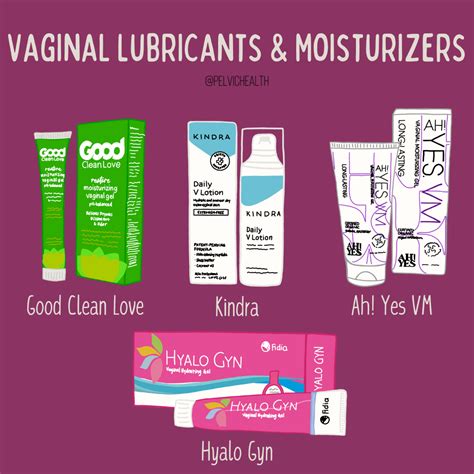
It is essential to distinguish between vaginal moisturizers and lubricants. Lubricants are intended for short-term use, typically during sexual activity, to reduce friction and enhance comfort by providing surface-level slickness. Vaginal moisturizers, on the other hand, are designed for regular use to address the underlying issue of dryness by rehydrating the vaginal tissue for long-term comfort.
Hyaluronic Acid in Specific Scenarios
Postpartum and Lactation
Hormonal fluctuations after childbirth and during lactation can lead to vaginal dryness and pain during intimacy. A reduction in estrogen levels, exacerbated by increased prolactin during lactation, contributes to these symptoms. Hyaluronic acid can assist with vaginal tissue lubrication and wound healing by promoting cell proliferation and blood vessel growth, thereby increasing blood flow. Studies have shown improved sexual function, including desire, arousal, lubrication, orgasm, satisfaction, and reduced pain, in postpartum women using HA.
Menopause and Vaginal Atrophy
Menopause is associated with a decline in estrogen, leading to vaginal atrophyâa thinning, drying, and inflammation of vaginal and vulvar tissues. This can manifest as dryness, itching, burning, painful intercourse, and stress urinary incontinence. Research comparing conjugated estrogen with hyaluronic acid vaginal creams has shown that both can improve symptoms of vaginal atrophy, including dryness, itching, pH, and painful intercourse.
Post-Breast Cancer Treatment
Many women who undergo breast cancer treatment experience vulvar changes, including atrophy, vaginal dryness, and painful intercourse. These symptoms often do not resolve without treatment and can worsen over time. Studies comparing non-hormonal therapies like intravaginal laser therapy and hyaluronic acid suppositories have found both to be effective in improving atrophy changes and stress urinary incontinence.
Choosing the Right Vaginal Moisturizer
When selecting a vaginal moisturizer, it's important to consider the ingredients. Look for hydrating and soothing components. Hyaluronic acid is a key ingredient for deep, long-lasting hydration, restoring elasticity, and plumping tissues.
Additional beneficial ingredients include:
- Vitamin E: A potent antioxidant that aids in healing and conditioning delicate skin.
- Natural Botanical Oils: Such as coconut oil, sea buckthorn oil, or jojoba oil, which provide extra moisture and create a protective barrier against water loss.
Avoid products containing ingredients that can cause irritation or disrupt the vaginal pH balance, such as:
- Fragrances
- Parabens
- Glycerin
- Propylene glycol
- "Warming" or "tingling" agents (e.g., capsaicin, menthol)
Recommended Brands and Formulations
Several trusted brands offer effective vaginal moisturizers with high-quality ingredients and clinical evidence of effectiveness:
- Revaree by Bonafide: A non-hormonal vaginal insert using hyaluronic acid for moisture restoration and relief from daily dryness and discomfort during intimacy.
- Good Clean Love: Known for natural and organic ingredients, their products are "bio-matched" to mimic the body's natural chemistry and maintain a healthy vaginal pH.
- RepaGyn: A restorative suppository designed to soothe symptoms of menopause-related dryness, including burning, itching, and general discomfort.
Other formulations may utilize different combinations of natural oils and vitamins. When choosing, consider the product format (suppositories or gels) and how it fits into your lifestyle.
How to Use Vaginal Suppositories Safely and Effectively
Using vaginal suppositories is a straightforward process that can become a simple part of a self-care routine. Always start by washing your hands thoroughly with soap and water.
Insertion:
- Find a comfortable position, such as lying on your back with knees bent, or standing with one foot elevated.
- Gently insert one suppository as deeply into the vagina as comfortably possible.
- It is best to insert the suppository right before bedtime to allow it to melt and absorb effectively while lying down, minimizing potential leakage.
Consistency:
- For best results, most brands recommend using one suppository every 2 to 3 nights to maintain a healthy moisture balance.
- Always read and follow the specific instructions provided on the product packaging.
Potential Side Effects and Precautions:
- Some women may experience mild, temporary reactions like slight burning or itching upon insertion, which usually subsides.
- Mild discharge is normal as the suppository melts and releases moisture.
- Avoid products with potentially irritating ingredients, especially if you are already experiencing dryness and irritation.
When to Seek Professional Advice
While over-the-counter suppositories are a helpful starting point, it is crucial to consult a healthcare professional if symptoms persist or if you experience severe discomfort. A doctor can confirm that dryness is the primary issue and rule out any underlying conditions, such as infections. Your medical history, age, and current medications will help determine the most appropriate solution for your specific needs.
tags: #hyaluronic #acid #suppository