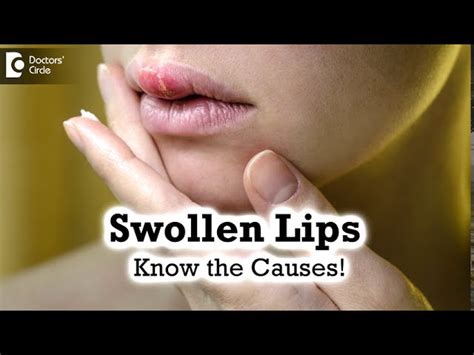
Waking up with swollen lips can be a concerning health issue, particularly if there are no apparent illnesses affecting the mouth. Swollen lips are often attributed to inflammation or fluid accumulation in the soft tissues. While identifying the exact cause may require a comprehensive evaluation, in many instances, the underlying etiology can be determined relatively easily.
Common Causes of Swollen Lips
1. Allergic Reactions
Allergic reactions are a frequent cause of swollen lips and associated symptoms. These reactions can be triggered by various substances, including certain foods, medications, and insect bites or stings.
1.1. Food Allergies
Specific foods are well-known triggers for allergic reactions that can lead to lip swelling. Common culprits include:
- Milk
- Eggs
- Peanuts
- Other nuts
- Crustacean shellfish
- Fish
- Soy
- Wheat
Spices can also provoke allergic or sensitivity reactions.
1.2. Medication Allergies
Drug-induced allergic reactions are another potential cause of swollen lips upon waking. Penicillin and other antibiotics are among the most common medications that can trigger such reactions.
1.3. Clinical Presentation of Allergic Reactions
Allergic reactions can manifest with varying severity:
- Mild Allergic Reactions: May present with a rash and itching.
- Moderate to Severe Reactions: Can include urticaria (hives), coughing, and wheezing.
- Angioedema: This involves swelling of the deeper layers of the skin, particularly affecting the face, lips, tongue, and periorbital areas.
- Anaphylaxis: The most severe and potentially life-threatening allergic reaction, characterized by airway edema (swelling of the tongue, lips, and airways), chest tightness, and respiratory distress. Anaphylaxis can progress rapidly, especially in individuals with severe hypersensitivity, and often occurs immediately after allergen exposure.

2. Skin Conditions and Infections
Various skin issues and infections can also lead to swollen lips.
2.1. Acne
A pimple on or near the lips can cause temporary swelling. Severe swelling can occur with cystic acne, a more aggressive form of acne that can lead to boil-like lesions.
2.2. Herpes Infections
Cold sores, caused by herpes infections, and coxsackievirus blisters around the mouth can also result in swollen lips. These symptoms may appear overnight, even if the virus has been dormant in the body.
2.3. Sunburn
Severe sunburn, especially after prolonged sun exposure without adequate protection, can cause lips to become swollen and chapped.
3. Muscle and Nerve Causes
Certain medical conditions affecting the facial nerves and muscles can also lead to lip swelling.
3.1. Dystonia
Conditions like dystonia can affect individuals who repeatedly purse their lips, such as musicians playing wind or brass instruments. The sustained tension in the mouth muscles can cause swelling and numbness of the lips.
3.2. Melkersson-Rosenthal Syndrome
This is a rare neurological condition characterized by swelling of the lips and face, along with paralysis of specific facial muscles. Attacks can be infrequent, occurring days or even years apart, and often begin in childhood or adolescence.
4. Dental Problems
Issues related to dental work or oral health can contribute to lip swelling.
4.1. Dental Procedures and Treatments
Orthodontic treatments, such as braces, can cause temporary lip swelling, often noticeable the day after adjustments. Infections of the mouth or gums can also lead to swollen lips and inflammation within the mouth.
4.2. Lip Cancer
Although uncommon, lip cancer can also present as swelling.
5. Trauma
Direct injury to the lip is a common cause of swelling.
5.1. Physical Injuries
Injuries such as cuts, scrapes, and bruises can cause immediate swelling. Accidental biting or chewing on the lip can also lead to trauma and subsequent swelling.
Understanding Unilateral vs. Bilateral Swelling
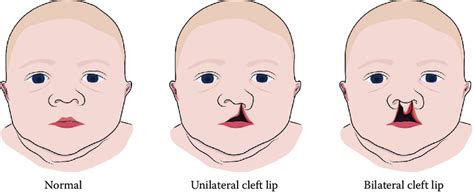
The pattern of swelling-whether it affects one side (unilateral) or both sides (bilateral) of the lips-can provide clues to the underlying cause.
1. Bilateral Lip Swelling
When lip swelling affects both lips, it is often associated with systemic causes:
- Trauma: If the trauma affects both lips equally.
- Allergic Reactions: Widespread allergic responses typically affect both lips.
- Angioedema: Often causes generalized swelling of the lips.
- Skin Conditions: Conditions like severe sunburn or widespread infections can affect both lips.
- Dental Procedures: If anesthesia affects both sides of the mouth.
2. Unilateral Lip Swelling
Swelling that affects only one side of the mouth may indicate a localized issue:
- Trauma: A direct injury to one side of the lip.
- Localized Infection: An abscess or cyst on one side of the lip.
- Dental Issues: Localized dental infections or procedures on one side.
- Melkersson-Rosenthal Syndrome: This condition can preferentially affect one side.
- Cheilitis: A rare inflammatory disorder that primarily affects the lower lip, often unilaterally.
Warning Signs of Serious Conditions
In some instances, unilateral changes to the mouth or lips can signal more serious underlying health issues.
1. Stroke
Signs of a stroke affecting the facial nerves include facial drooping, excessive drooling, slurred speech, and weakness on one side of the face or body. A stroke is a medical emergency requiring immediate intervention.
2. Bell’s Palsy
This condition results from inflammation or damage to the facial nerve (Cranial Nerve VII), leading to temporary paralysis of facial muscles. Symptoms include unilateral facial drooping and difficulty closing the eye or moving the lips on the affected side. While not life-threatening, it requires medical attention.
Home Treatments for Swollen Lips
For mild cases of lip swelling, several home remedies can provide relief.
1. Cold Compress
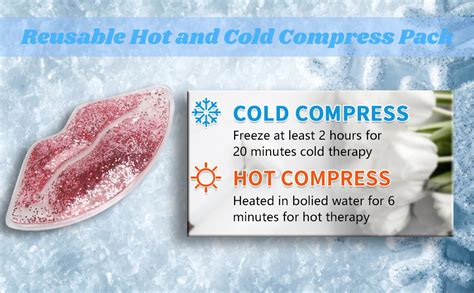
Applying a cold compress can help reduce swelling and inflammation. Wrap ice in a clean towel and apply it gently to the swollen area for 10-15 minutes at a time. Avoid direct contact between ice and skin to prevent frostbite.
2. Sunburn Management
If swelling is due to sunburn, applying aloe vera gel or lotion can soothe the skin and reduce inflammation.
3. Hydration and Moisturization
For dry, cracked, or chapped lips, using a gentle, hydrating lip balm can restore moisture and promote healing.
Medical Treatments for Swollen Lips
When home remedies are insufficient, medical interventions may be necessary.
1. Medications
- Nonsteroidal Anti-inflammatory Drugs (NSAIDs): Medications like ibuprofen can help relieve swelling and pain, especially if caused by inflammation, bruising, or injury.
- Corticosteroids: These can be prescribed to reduce inflammation in more severe cases.
- Antiviral or Antibiotic Therapies: These are used to treat infections such as cold sores or bacterial infections contributing to swelling.
2. Treatment for Specific Conditions
- Allergies: Over-the-counter or prescription antihistamines are effective for allergic reactions. For severe allergies, immunotherapy (allergy shots) may be recommended.
- Dermatological Conditions: Conditions like cystic acne may require treatment from a dermatologist.
- Neurological Conditions: More invasive treatments may be needed for certain neurological disorders.
- Dental Issues: Treatment will depend on the specific dental problem, such as infections or abscesses.
When to See a Doctor
It is important to seek medical attention for swollen lips under certain circumstances.
1. Severe Allergic Reactions
If swollen lips are accompanied by signs of a serious allergic reaction, such as wheezing, difficulty breathing, or swelling of the mouth or tongue, seek immediate emergency medical attention.
2. Persistent or Unexplained Swelling
If lip swelling is mild but persists for more than 24 hours without a clear cause, consult a doctor. A dermatologist may be necessary for assessing conditions like cystic acne or suspicious growths.
3. Signs of Infection or Other Serious Conditions
If you notice signs of infection (redness, heat, increased swelling, pus) or symptoms suggestive of a neurological condition (facial drooping, speech changes), seek prompt medical evaluation.
4. Following Injury
Seek medical help for lip injuries that are deep, extremely painful, show signs of infection, or are the result of an animal bite.
Lip Care for Chapped and Swollen Lips
Proper lip care can help manage chapped lips and support healing.
1. Hydration and Moisturization
Staying hydrated and regularly applying a suitable lip balm or ointment is crucial. Opt for fragrance-free, hypoallergenic products with moisturizing ingredients like petroleum jelly, glycerin, ceramides, or oils.
2. Sun Protection
When outdoors, use a lip balm with SPF 30 or higher to protect against sun damage.
3. Avoid Irritants
Steer clear of lip balm ingredients that can cause irritation, such as fragrances, menthol, eucalyptus, camphor, and lanolin. If a product causes stinging or burning, discontinue use.
4. Habits to Avoid
Refrain from licking, picking, or biting your lips, and keep foreign objects away from your mouth.
My Top Dermatologist-Approved Lip Care Tips
tags: #inflammation #lips #treatment