As the most commonly known vitamin A derivative, retinol is revered by dermatologists for its ability to not only iron out fine lines but also help with managing blemishes and softening the appearance of acne scars. Despite its winning qualities, the abundance of retinol products now available - along with its popularity on social media, which is driving the boom in teens using retinol - means that the risk of retinol overuse is on the rise, especially as customers are getting younger.
Understanding Retinoids: A Spectrum of Potency
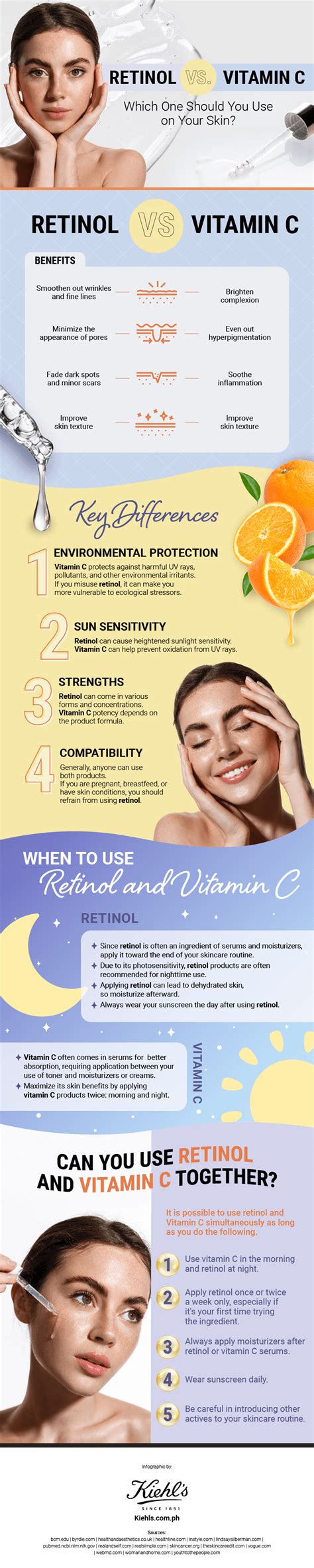
Retinol falls under the broader retinoid umbrella. The most potent form is tretinoin (or retinoic acid), which is available via prescription. Following this are hydroxypinacolone retinoate, retinaldehyde/retinal, R-rethentinoate, retinol, and finally, at the milder end, retinyl propionate, retinyl palmitate, and retinyl acetate.
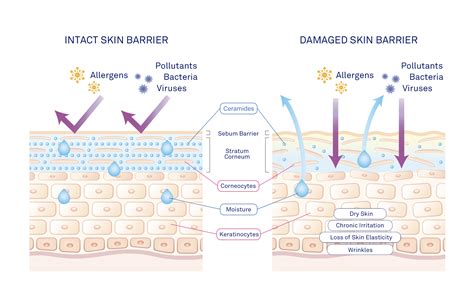
Retinol works by encouraging cell turnover. However, doing too much too quickly can lead to a compromised skin barrier, manifesting as redness, irritation, and peeling. For every reputable brand offering extensive education on product usage, many others do not, which brings us to the new EU regulations surrounding retinol concentrations in over-the-counter (non-prescription) products.
New EU Regulations on Retinol Concentrations
According to new guidelines, EU regulators have implemented a blanket restriction on skincare products containing more than 0.3% retinol and bodycare products containing more than 0.05% retinol. Starting from November 1, 2025, new products that do not adhere to these restrictions will be prohibited from entering the EU market. Brands are granted a grace period of three years to reformulate their products if they contain higher levels of retinol.
Driving Forces Behind the Change
"The new legislation has been put in place in a bid to address consumers’ potential overexposure to vitamin A," says Daniel Isaacs, chief product officer at Medik8. "The regulators have looked at ‘worst case’ scenarios of vitamin A exposure levels - that’s people who eat high amounts of vitamin A in their diet, apply high doses of vitamin A in their skincare, and have lots of exposure to vitamin A from other areas such as medicines - and have put the 0.3 per cent retinol cap in place as a precaution to help reduce the risk of overexposure to vitamin A."
According to the EU's Scientific Committee on Consumer Safety report, "Compared to food, the contribution of vitamin A from cosmetics is lower." However, as plastic and reconstructive surgeon Dr. Ashwin Soni at The Soni Clinic notes, effects can be cumulative. "The amounts of vitamin A that are absorbed via skincare is much less than in supplements or from our diet, but if combined in higher doses with these other vitamin A sources, there is the risk of vitamin A toxicity which can impact organs such as our liver or impact our nervous system," he explains.
Will Lower Doses of Retinol Still Be Effective?
In a nutshell, yes. Even better, it can do the job with minimal unwanted side effects. Retinol, when used properly, will deliver positive results at 0.3%. "Studies suggest that a more gradual response, associated with fewer skin irritancy issues, occurred with 0.3 per cent retinol," says Dr. Tiina Meder, whose own brand Meder focuses on maintaining the skin barrier and microbiome.
Furthermore, retinal and retinyl retinoate, found in Medik8's formulas, offer "more effective, rapid results when used in lower concentrations," says Isaacs. "Patients should also note that stronger doesn’t always mean better regarding vitamin A derivatives," offers Dr. Soni, who is a fan of AlphaRet Overnight Cream, which uses a combination of retinoid and alpha hydroxy acids (AHA).
Dr. Meder agrees, stating: "I never understood this 'war of concentrations' and always saw it as a pure marketing effort with a lack of responsibility for public health. There is no need to use highly concentrated retinol products even for treatment of photo-damaged skin and even less for 'age prevention' which is impossible to prove scientifically anyway."
Beyond Percentages: The Importance of Formulation and Alternatives
When shopping for skincare, it's important to look at the formula as a whole rather than focusing on one single ingredient. "Adding a high dose of active to the bottle is easy - stabilising it, maximising potency and penetration whilst minimising irritation is not - most brands aren’t able to," says Isaacs. Your skincare serum should contain conditioning ingredients (think ceramides and glycerin) alongside active ones.
Sensitive skin types should also focus on managing sensitivity first. "Pay special attention to skin’s barrier function before using potentially sensitising skincare solutions. Most of the time it is possible to find an efficient anti-ageing solution suitable for sensitive skin which can be beneficial for skin health; it is not necessary to use retinol," says Dr. Meder. Retinol alternatives such as azelaic acid and niacinamide are great for brightening, while Dr. Soni recommends introducing "certain peptides (such as Alastin) into a routine which can also boost collagen and elastin levels significantly."
Best Practices for Using Retinol
"Start low and go slow," advises Isaacs. In general, try using retinol twice a week for the first two weeks, then every other night over the next two weeks, and observe how your skin responds. Always follow with a hydrating moisturiser and SPF 50 daily. While exfoliators and retinol can work together, avoid using them at the same time if you are prone to sensitivity or are new to retinol.
Reports about a new EU law on retinol have rocked the beauty world. On November 1, 2025, these regulations go into effect. The short answer to whether retinol is being banned in Europe is no. You will still be able to buy products containing retinol, but there will be new rules in place.
Under an amendment to the EU Cosmetics Regulation, there will be a clampdown on the percentage of retinol found in over-the-counter products. Face and hand products will now be limited to an equivalent of 0.3% pure retinol, with body lotions allowed to contain 0.05%. Any new retinol products that do not comply with these restrictions can no longer enter the EU market.
Understanding the Safety Implications
According to consultant dermatologist and surgeon, Dr Magnus Lynch, these new restrictions do not imply that products with higher concentrations of retinol are inherently unsafe. Instead, the new restrictions aim to limit overexposure to vitamin A. "The vast majority of vitamin A is consumed through diet, either in the form of vitamin supplements or via foods such as fish oils, liver, milk, eggs and carrots, and is essential for vision, immune function and skin health," says Dr Lynch. "Excessive dietary consumption, however, can cause ‘hypervitaminosis A’, which can lead to liver damage and other health problems."
That said, it's important to remember that, in reality, the quantity of retinol absorbed through the skin is low. In its report, the EU's Scientific Committee on Consumer Safety stated: "Compared to food, the contribution of vitamin A from cosmetics is lower. However, it will add to the overall consumer exposure, and this may be of concern for consumers with the highest exposure (5% of the total population) to vitamin A from food and food supplements."
Dr Lynch adds that the EU is likely more concerned "about the theoretical risks of birth malformations should a woman fall pregnant while using retinol and the risks of skin irritation and inflammation from topical application."
Impact on the UK Market and Existing Products
The UK is no longer in the EU, so these new retinol restrictions are not legally binding in this country. However, it's likely that they will still affect us, says dermatologist Professor Firas Al-Niaimi. "The UK has continued to closely align with EU cosmetic regulations, so it is reasonable to expect similar changes to be adopted," he notes.
The new regulations also do not mean that existing skincare products with higher concentrations of retinol will be abolished overnight. There is a grace period of three years for brands to reformulate their existing retinol products should they wish to continue trading in Europe. Prescription-strength vitamin A products will still be available through doctors and dermatologists, as they are absorbed in small amounts and are not likely to cause excessive vitamin A in the body.
Retinol Benefits at Lower Concentrations
Generally speaking, you will still see visible improvement when using a 0.3% retinol cream or serum on the face for glow and rejuvenation. But it really depends on the skin issues you're aiming to treat. "From a cosmetic perspective, those strengths will still deliver results," says Professor Al-Niaimi. "However, individuals with more advanced concerns such as deep wrinkles, severe acne, or stubborn pigmentation often require higher concentrations when they can tolerate them. These new limits could therefore feel insufficient for those more medical cases."
Dr Lynch believes that a balance can be struck. "In my opinion, most patients will gain sufficient benefit with 0.3% retinol," he says. "Where this is not effective, they would be better served by using a prescription retinoid rather than a higher-strength retinol."
What is Retinol and How Does It Work?
Retinol, a derivative of vitamin A, improves skin texture, collagen production, and cell turnover, reducing the appearance of fine lines, wrinkles, large pores, and pigmentation. However, it can be a highly irritating ingredient. "Retinol works by binding to retinoid receptors in the skin, which influences a variety of cellular processes. It helps in cell turnover, making way for new skin, and inhibits the breakdown of collagen, thereby improving the elasticity and appearance of the skin," explained Dr Jonathan Dunne, consultant plastic and reconstructive surgeon.
Despite these skin-boosting benefits, the potent ingredient can cause irritation, including redness, dryness, and peeling for first-time users - a phenomenon often termed 'retinol purging' on social media. More severe, although rarer, side effects include acne breakouts, eczema flare-ups, skin discolouration, swelling, and stinging.
"The EU’s decision to restrict the concentration of retinol in over-the-counter products stems from concerns about its potential for causing skin irritation and harm at higher concentrations. This regulation is in place to safeguard consumers from adverse effects such as redness, peeling, and increased sensitivity to sunlight, which are more likely to occur with higher concentrations of retinol without proper guidance and supervision," explained Dr Dunne.
What to Do With Existing Retinol Products
“As with any active skincare ingredient, it’s essential to use retinol responsibly, paying attention to product concentration, starting with lower strengths, and considering professional advice for higher concentrations. This approach ensures individuals can achieve their skincare goals safely and effectively,” advises Dr Dunne. He also assures us that the new restricted concentrations “can still provide substantial benefits with a reduced risk of adverse effects”. Whether you discard any retinol skincare products over the 0.3% concentration will come down to personal preference. You can, of course, visit a doctor or dermatologist to discuss potentially receiving a more potent prescribed product if you feel one is needed.