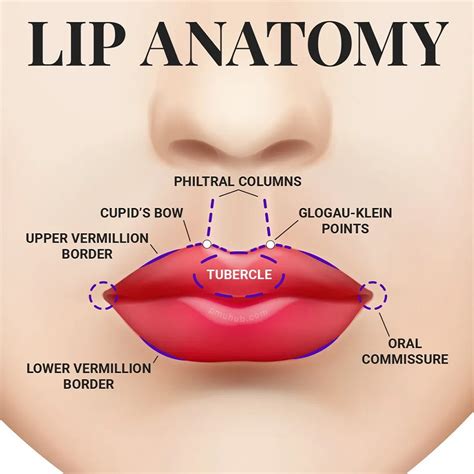
Recent appearances by Karoline Leavitt, the 28-year-old White House Press Secretary, have sparked discussions about cosmetic procedures, particularly lip fillers, and their safety during pregnancy. Leavitt was observed at a press gaggle with Donald Trump on Wednesday, March 11, sporting plumper-looking lips with visible red marks around the vermilion border, often indicative of recent lip filler injections.
While Leavitt has not publicly confirmed undergoing any cosmetic procedures, the visual evidence has prompted medical professionals to weigh in on the safety of dermal fillers for pregnant individuals. Numerous top doctors have expressed concerns, primarily citing a lack of comprehensive research into the safety of these treatments for expectant mothers.
Medical Perspectives on Fillers During Pregnancy
Aesthetics doctor and founder of Viva Skin Clinics, Dr. Rupert Critchley, highlighted the ethical difficulties in conducting clinical trials for elective cosmetic procedures on pregnant women. "Dermal fillers have not been formally studied in pregnant patients," Dr. Critchley stated. "As a result, we simply do not have robust safety data confirming that fillers are safe during pregnancy." He advises a precautionary approach, recommending that most responsible practitioners advise against dermal fillers during pregnancy.
While hyaluronic acid, the common ingredient in many dermal fillers, is generally well-tolerated, the absence of definitive safety data makes it prudent to avoid elective treatments during this sensitive period. Furthermore, Dr. Critchley pointed out that pregnancy-related hormonal and immune system changes can affect healing and inflammatory responses, potentially making swelling and bruising more unpredictable. Consequently, most clinics recommend postponing injectable treatments until after pregnancy and breastfeeding.
Echoing these sentiments, double board-certified plastic surgeon Dr. Fernando Ovalle Jr. also advises deferring minimally invasive cosmetic procedures, including injectables like dermal fillers, during pregnancy. "It's not necessarily that we know they're harmful; it's that they haven’t been adequately studied in pregnant patients," he explained. Dr. Ovalle Jr. clarified that medically necessary procedures, such as those for skin cancer or infections, are still performed during pregnancy, but purely aesthetic treatments can typically wait.
Board-certified plastic surgeon Dr. Rachel Ford concurred, emphasizing that the recommendation against fillers during pregnancy stems from a lack of safety data regarding fetal exposure. "Because these procedures are elective, most physicians feel it is prudent to avoid any potential risk during pregnancy," she said. Dr. Ford also noted that pregnant women can still focus on skin care through gentle facials, LED light therapy, and topical treatments with pregnancy-safe ingredients like vitamin C and hyaluronic acid.
Expert Analysis of Karoline Leavitt's Appearance
A Vanity Fair photo of Karoline Leavitt, captured by Christopher Anderson for a story on "Trump 2.0," drew significant attention due to the visible marks on her lips. Two board-certified dermatologists and one board-certified plastic surgeon, when consulted, agreed that the marks appeared to be bruises and small bleeds resulting from needle or cannula passage through the delicate blood vessels of the lips. They suggested the injections likely occurred within a few days, possibly even the day before, the photo shoot.
Plastic surgeon Dr. John Diaz observed "slight irregularities in contour present, which is not ideal," though he noted it was too early to determine the final outcome. Dermatologist Dr. Lauren Moy indicated that the photos showed lips that likely had newly placed filler, with swelling and bruising still settling. "So there’s no need to freak out and dissolve them just yet, Karoline," she commented.

However, other experts expressed a different interpretation. Board-certified plastic surgeon Kristy Hamilton, social media chair of the American Society of Plastic Surgeons, found the appearance "a little bit of a mystery" given that new filler typically causes more swelling. She noted that Leavitt's visible vertical lip lines also did not align with the typical appearance of fresh filler. Hamilton stated that her practice would not accommodate such a last-minute request, as lip filler typically requires about four weeks to settle before a significant event.
The discussion around Leavitt's appearance has also touched upon broader themes of aesthetics in politics, particularly within conservative circles. Some observers have noted a trend of heightened cosmetic interventions among women in politics, which some interpret as a signal of conformity to traditional gender norms at a time when these norms are perceived to be under societal pressure. The normalization of cosmetic procedures has accelerated in recent years, partly influenced by increased self-scrutiny via video calls and broader societal acceptance.
Christopher Anderson, the photographer, has denied any intention of creating unflattering shots, explaining that close-up portraiture, particularly of political figures, is a consistent element in his work aimed at "penetrating the theater of politics." Despite this, the internet has generated various narratives surrounding the photos, with Leavitt herself yet to comment on the speculation regarding her lip filler usage.