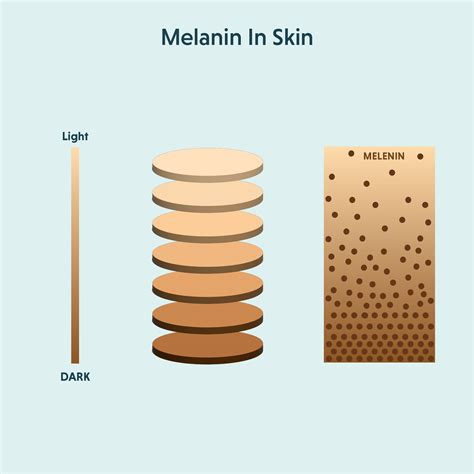
Kojic acid is a popular skincare ingredient sought after for its potential to brighten and even out skin tone. Derived from various fungi and a byproduct of fermenting certain foods like Japanese sake, soy sauce, and rice wine, kojic acid works by inhibiting the production of melanin, the pigment responsible for skin, hair, and eye color.
What Kojic Acid Does for Skin
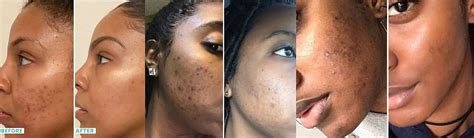
The primary benefit of kojic acid lies in its ability to lighten visible signs of sun damage, age spots, and scars, contributing to an overall anti-aging effect on the skin. By inhibiting the formation of tyrosine, an amino acid crucial for melanin production, kojic acid can effectively reduce hyperpigmentation.
Beyond its lightening properties, kojic acid also possesses antimicrobial characteristics. In diluted forms, it can help combat common bacterial strains, making it beneficial for treating acne caused by bacteria and potentially lightening acne scars.
Regular use of products containing kojic acid, such as soaps, may also help prevent both bacterial and fungal infections on the body.
How to Use Kojic Acid Safely
Kojic acid is incorporated into a variety of cosmetic products, including powders, serums, creams, cleansers, and soaps. The method of application and frequency of use depend on the specific product type.
Product Types and Application
- Powders: These typically need to be mixed with water or lotion as per product instructions.
- Soaps and Cleansers: These are designed for immediate washing off after application.
- Creams and Serums: These are intended to be left on the skin to be absorbed. However, it's important to note that kojic acid generally has relatively poor absorption rates below the skin's surface.
- Face Masks: These are usually for occasional use.
- Creams and Cleansers: May be used on a daily basis.
Products containing kojic acid are most commonly applied to the face and hands but can be used on all non-sensitive areas of the body.
DIY Kojic Acid Mixture: A Step-by-Step Guide
If you are preparing a DIY kojic acid mixture, ensure you have the following ingredients ready:
- A base cream or lotion (skin brightening/lightening lotions are recommended).
- Kojic acid powder.
- Vegetable oil or glycerin.
Follow these steps for preparation:
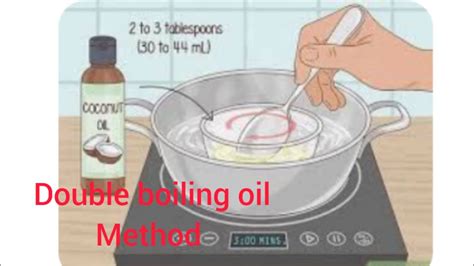
- Mix 1-2 teaspoons (approximately 5-10 grams) of kojic acid powder with a small amount of vegetable oil or glycerin. Do not use water for this step.
- Place the mixture into a stainless steel pot and use the double boiling method. Position this pot over another pot containing warm water and apply heat.
- The mixture will gradually transform into a buttery, creamy consistency.
- Once fully dissolved, add the oil-dissolved kojic acid mixture into your base lotion and mix thoroughly until completely combined.
Important Precautions for DIY Mixtures
- This mixture is strictly for external use only; do not ingest.
- Avoid adding kojic acid powder to products containing lactic acid or AHAs, as this can negatively alter the pH balance of the lotion.
Kojic Acid in Cosmetic Products
Kojic acid has been approved for use in cosmetic products at concentrations of 1 percent or less and is most frequently utilized as a skin-lightening agent. The Cosmetic Ingredient Review Expert Panel has deemed kojic acid safe for cosmetic use at this concentration. However, it is crucial to purchase products from reputable companies, especially in the United States, where the Food and Drug Administration (FDA) monitors cosmetic quality and safety.
While generally considered safe, some individuals may still experience side effects or risks associated with its use.
Potential Side Effects and Risks
The most common side effect of kojic acid is contact dermatitis, which can manifest as redness, irritation, itchiness, rashes, skin swelling, or discomfort. This reaction is more prevalent in individuals with sensitive skin or those using products with concentrations higher than 1 percent.
Discontinue use immediately if you experience any adverse reactions to a kojic acid product.
Over extended periods, long-term use of kojic acid may increase your skin's susceptibility to sunburn. Therefore, it is essential to use sunscreen diligently or wear protective clothing when exposed to the sun.
Never apply kojic acid to damaged or broken skin.
It is worth noting that some countries have banned kojic acid due to a potential, though not definitively proven, link to cancer development. Further research is ongoing to fully understand any other potential side effects.
When to Consult a Dermatologist
If you intend to use products containing kojic acid to address specific skin conditions or cosmetic concerns, it is highly recommended to consult a dermatologist. They can provide personalized advice on the safest and most effective course of action, including appropriate dosages and complementary treatments.
If you experience any redness, rashes, irritation, or pain while using kojic acid, cease application immediately and seek professional medical advice.
It's important to use kojic acid to treat areas of hyperpigmentation or scarring, rather than attempting to lighten your natural complexion.