Understanding the Ingredients in Your Kuromi Lip Balm
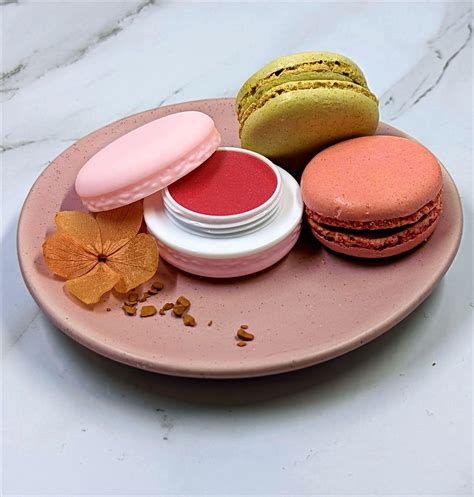
Lip balms are essential for maintaining soft, hydrated lips, and the Kuromi Macaron Lip Balm from The Crème Shop offers a delightful blend of ingredients designed to achieve this. Let's delve into the specifics of what makes this product effective.
Emollients: The Key to Soft and Hydrated Lips
Many ingredients in this lip balm function as emollients, which are crucial for softening and hydrating the skin by trapping moisture. This helps to create a protective barrier, reducing water loss and keeping your lips supple.
Hydrogenated Polyisobutene
Hydrogenated Polyisobutene is a synthetic polymer known for its emollient and texture-enhancing properties. It contributes to skin hydration, with studies indicating it can be more effective than other emollients like Caprylic/Capric Triglyceride in improving skin hydration levels. Its primary role is to soften and hydrate the skin by locking in moisture.
Ethylhexyl Palmitate
Also known as octyl palmitate, Ethylhexyl Palmitate is a fatty acid ester derived from 2-ethylhexyl alcohol and palmitic acid. Its fatty acid content makes it an effective emollient, softening and hydrating the skin by trapping moisture. It also improves the texture of cosmetics, aids in dissolving and dispersing other ingredients, and can stabilize fragrances. While it can substitute for mineral oil, its high fatty acid content means it may not be suitable for fungal acne-prone skin.
Olea Europaea Fruit Oil (Olive Oil)
Olea Europaea Fruit Oil, commonly known as olive oil, is rich in glycerides of linoleic, oleic, and palmitic acids, as well as antioxidants like Vitamin E. The squalene in olive oil acts as an emollient, soothing and softening the skin by trapping moisture. Olive oil also possesses antibacterial and antifungal properties in low concentrations. However, it's worth noting that one study found it could irritate sensitive, oily skin, and due to its fatty acid content, it may not be fungal-acne safe.
Macadamia Seed Oil
Macadamia Seed Oil is another emollient rich in fatty acids such as oleic, linoleic, and palmitoleic. It hydrates the skin by forming a thin film on its surface, helping to retain moisture.
Shea Butter (Butyrospermum Parkii Butter)
Known as Shea Butter, this ingredient is a highly effective skin hydrator and emollient. It creates a protective film on the skin, trapping moisture and keeping it hydrated, which can be beneficial for dry or itchy skin. Shea butter is also rich in antioxidants and fatty acids that replenish and moisturize the skin. While it has a low SPF, it should not be considered a sunscreen replacement. It may also not be suitable for fungal acne-prone skin.
Helianthus Annuus Seed Oil (Sunflower Seed Oil)
Derived from sunflower seeds, Helianthus Annuus Seed Oil is a non-fragrant emollient that softens the skin. Its fatty acids help the skin create ceramides, which play a role in repairing the skin barrier and moisturizing the skin, leading to a more rejuvenated and smoother appearance. Sunflower seeds are also rich in Vitamin E. Historically, Indigenous cultures of North America used sunflower oil for moisturizing skin and hair. This oil may not be fungal acne safe.
Diisostearyl Malate
Diisostearyl Malate is an emollient commonly used in lip products. It forms a thin film on the skin to trap moisture, keeping lips soft and smooth. Its large molecular size prevents it from penetrating the skin, making it generally well-tolerated.
Mango Seed Butter
Extracted from the kernel of the mango seed, Mango Seed Butter functions as an emollient. Its fatty acid composition, rich in stearic and oleic acids, allows it to melt on the skin, providing a creamy feel and leaving a protective seal that slows water loss. It is considered a lightweight emollient and texture enhancer.
Caprylic Triglyceride
Caprylic Triglyceride is formed by combining glycerin with coconut oil, resulting in a stable, clear liquid that behaves like an oil. It is resistant to oxidation, has a long shelf life, and provides an elegant skin feel. While it is derived from coconut oil, there is no research to suggest it clogs pores. Note that Fractionated Coconut Oil and MCT Oil are listed as Caprylic/Capric Triglyceride under INCI naming conventions.
Other Beneficial Ingredients
Beeswax (Cera Alba)
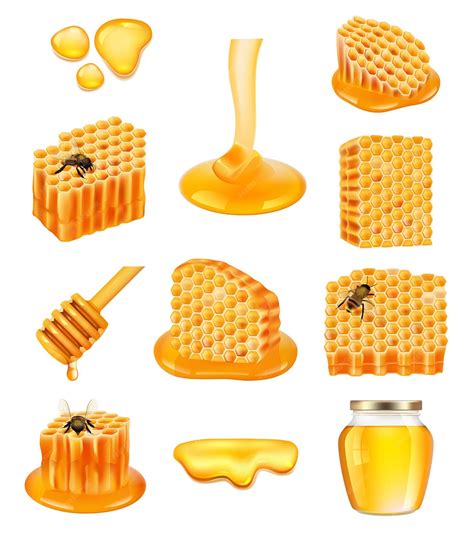
Beeswax, a natural wax produced by honey bees, is widely used as a thickener and emulsifier in lip balms. It forms a protective layer on the skin, helping to lock in moisture and reduce water loss. Research indicates that beeswax-containing moisturizers can support skin barrier integrity. It scores low on the comedogenic scale (0-2), meaning it is less likely to clog pores, though the overall formula plays a more significant role. Cera Alba is the bleached form of beeswax. It's important to note that beeswax is animal-derived and not vegan. Individuals with a propolis allergy may also react to beeswax.
Tocopheryl Acetate (Vitamin E)
Tocopheryl Acetate, also known as Vitamin E, is an antioxidant that protects the skin from free radicals, which can damage skin cells by breaking down collagen. Studies suggest that combining Tocopheryl Acetate with Vitamin C may reduce sunburned cells.
Glycerin
This ingredient is a form of glycerin that possesses emulsifying and emollient properties. As an emulsifier, it helps stabilize products and adds thickness. Its emollient properties contribute to skin hydration by trapping moisture.
Hydrogenated Polyisobutene (as a polymer)
As a high-molecular-weight synthetic polymer, Hydrogenated Polyisobutene is not absorbed into the skin due to its large molecular size.
Preservatives and Antioxidants
BHT (Butylated Hydroxytoluene)
BHT is a synthetic antioxidant and preservative used to stabilize products against degradation from oxidation. It helps the body fight off free radicals. While concerns exist based on oral studies, it is approved for use by the FDA and EU, though it has faced restrictions in the UK.
Colorants
The Kuromi Macaron Lip Balm utilizes several colorants to achieve its aesthetic appeal:
- Ci 77891 (Titanium Dioxide): A white pigment derived from minerals, used to add white color.
- Ci 77499 (Iron Oxides): Used to add shades of darkness, including violet hues.
- Ci 15850 (Red Pigment): A synthetic azo dye, often described as brown/orangey-red, common in lip products. It may contain aluminum.
- Ci 42090: A synthetic dye creating a bright blue color.
- CI 19140 (Tartrazine): A synthetic dye used to add a yellow color.
- Ci 15985: An orange/yellow dye approved for food and cosmetics.
- CI 45410: A synthetic red pigment and dye, sometimes labeled as Red 28 or Red 27. It can impart vivid color and some types change color based on pH and moisture. It is not permitted in eye products by the FDA.
Fragrance
Parfum (Fragrance)
Parfum is a broad term for ingredients used to give products a scent. It can be a complex blend of chemicals or plant oils. The specific mixture can vary greatly, and not all fragrances are created equally; some can cause allergies or sensitivities. The term "fragrance" or "parfum" is not always strictly regulated, and brands may define it differently. If you have concerns about fragrances, it is recommended to investigate the specific ingredients used or consult a professional.