When considering lip filler, the goal is often to achieve perfectly volumized, defined, balanced, and symmetrical lips. However, if you already have fillers, recognizing the signs of lip filler migration is crucial for maintaining your aesthetic and seeking correction if necessary. This guide will delve into the causes of migration, how to spot it, and why consulting with professionals is essential.
Understanding Lip Filler Migration
Lip filler migration refers to the movement of lip filler from its initial injection site to surrounding tissues. This phenomenon can occur with various types of dermal fillers, including hyaluronic acid (HA)-based injectables, which are commonly used for lip augmentation.
Instead of enhancing the lips, migrated filler can lead to an unnatural appearance, such as a 'duck lip' effect, a noticeable bulge above the lip line (sometimes referred to as a 'filler mustache'), or unevenness. In some instances, the migration is subtle and only apparent to a trained eye, while in others, it can cause significant distortion.
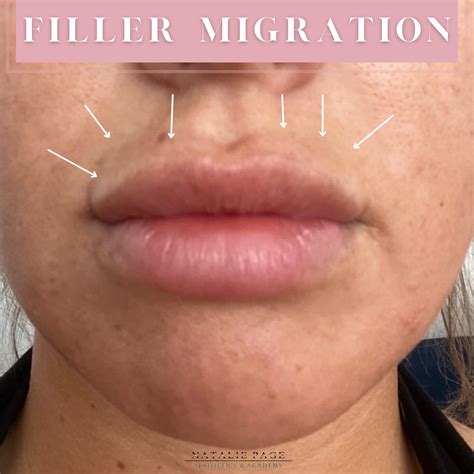
Signs of Lip Filler Migration
Several noticeable signs can indicate that your lip filler has migrated:
- Unevenness: This is one of the most prominent indicators. Migration can cause differences in size or shape between the upper and lower lips, or between the left and right sides of the lips.
- Puffiness Outside the Lip Line: When filler moves beyond the natural borders of the lips, it can create puffiness in the surrounding skin. This can distort the lip line or contribute to an exaggerated, unnatural look.
- Lumps or Nodules: Migration can result in the formation of palpable lumps or nodules within the lips, making them feel uneven or bumpy to the touch.
- Distorted Lip Line: The natural shape and definition of the lip line can be compromised, leading to an undesirable aesthetic.
Causes of Lip Filler Migration
Understanding the factors that contribute to lip filler migration is key to prevention. These can include:
1. Injector Technique and Experience
- Inexperienced Injector: An injector who lacks sufficient training or experience may place the filler too superficially, too deeply, or in an anatomical area unable to support it. This improper placement significantly increases the risk of migration.
- Incorrect Injection Angle or Depth: Injecting at the wrong angle or inserting the needle too deeply can distort features by placing the product into the wrong tissue plane.
- Injecting Too Quickly or Superficially: Rushed or superficial injections can lead to the filler augmenting adjacent features or displacing into unintended areas.
- Placing Filler Outside the Natural Lip Border: Staying within the vermilion border (the pink part of the lips) is crucial. Injecting filler above this border without a specific purpose can lead to its spread into unintended zones.
2. Filler Volume and Product Choice
- Overfilling: Injecting more filler than the patient's lips can adequately support is a common cause of migration. Excessive volume can overstretch the lip tissue, leading to uneven distribution, lumps, and migration.
- Layering Filler: Adding new filler on top of previous injections without proper assessment can create pressure and lead to product shifting. Frequent follow-up treatments without adequate healing time can also increase migration risk.
- Product Properties: Not all fillers are created equal. Different fillers have varying compositions, viscosity, and lifting capabilities. Using a filler that is too malleable, watery, or elastic for the lips, or one not specifically designed for lip augmentation, can increase the likelihood of migration. Fillers with a lower G prime (a measure of stiffness) may be more prone to spreading.
- Using Low-Quality or Incorrect Fillers: It is essential to use FDA-approved, medical-grade products specifically designed for the intended area. Non-HA fillers, in particular, may carry higher risks.
3. Patient Factors and Aftercare
- Frequent Facial Expressions and Lip Movement: Repetitive movements such as smiling, pursing the lips, talking, or eating, especially in the immediate post-treatment period, can displace the filler. The lips lack a firm underlying support structure, which can contribute to filler spreading.
- Neglecting Aftercare Instructions: Failing to adhere to post-treatment guidelines provided by the injector can increase the risk of migration. This includes avoiding pressure, excessive heat, or strenuous activity.
- Smoking: Smoking can impair healing and potentially promote filler migration.
- Individual Healing Response: Each person's body reacts differently to filler treatments. Some individuals may experience inflammation or break down hyaluronic acid more quickly, which can contribute to unintentional spreading.
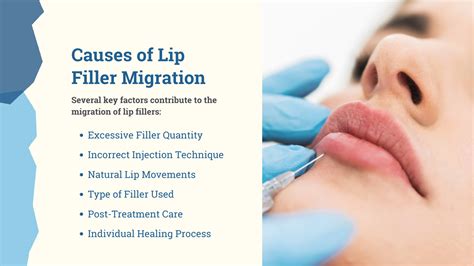
Preventing Lip Filler Migration
Prevention is always more effective than correction. By taking proactive steps, you can significantly reduce the risk of lip filler migration:
- Choose a Qualified and Experienced Injector: This is the most critical step. Select a board-certified plastic surgeon, a facial esthetics expert, or a licensed nurse injector with extensive experience in dermal filler injections and a deep understanding of facial anatomy. Ask about their credentials, techniques, and the types of fillers they use.
- Start with a Conservative Approach: Especially with lip fillers, less is often more. Begin with a smaller, conservative amount of filler to avoid overfilling and allow your injector to assess how your lips respond. If more volume is desired, subsequent treatments can be scheduled.
- Communicate Your Goals Clearly: Discuss your desired outcomes with your injector. While dramatic results may seem appealing, overfilling can lead to migration and disrupt facial harmony.
- Select the Right Type of Filler: Ensure your provider uses cohesive and appropriately dense fillers specifically designed for lip enhancement. Trust providers who use reputable, FDA-approved brands that can be dissolved if necessary.
- Follow Aftercare Instructions Diligently: Adhere strictly to the post-treatment guidelines provided by your injector. This typically includes avoiding strenuous activity, excessive heat (like saunas or hot yoga), pressure on the lips, and certain medications for a specified period.
- Be Patient with Results: Initial swelling can make lips appear larger than the final result. Wait at least two weeks to evaluate the outcome before considering any adjustments.
Correcting Lip Filler Migration
If you suspect your lip filler has migrated, the best course of action is to consult with a qualified and experienced injector. They can assess the situation and recommend the appropriate treatment:
- Consultation: The first step is a consultation with a professional. They will evaluate the extent of the migration, its impact on your lips, and discuss the best path forward.
- Dissolving the Filler (Hyaluronidase): For hyaluronic acid fillers, the most common and effective method of correction is dissolving the misplaced filler using an enzyme called hyaluronidase. This enzyme breaks down hyaluronic acid. The hyaluronidase is injected directly into the areas affected by migration. It's crucial that this procedure is performed by a medically trained professional to ensure safety and preserve your natural hyaluronic acid volume.
- Gentle Massage: In mild cases, gentle massage with light circular motions on the migrated spot may help to redistribute the filler. However, this should only be done if recommended by your provider.
- Re-Treatment: If lip enhancement is still desired after correction, wait until all swelling has resolved and the tissues have fully healed before considering re-injection.
It is important to note that while lip filler migration is a concern, it is considered a relatively uncommon side effect, especially when performed by skilled professionals using appropriate techniques and products. Silicone fillers, historically, have been more prone to migration than HA-based fillers, but HA fillers can also migrate.
Injectors Guide: Hyaluronidase for Correction
Understanding the causes and signs of lip filler migration empowers you to make informed decisions and seek timely correction. Whether you are considering lip fillers or have experienced migration, prioritizing consultation with experienced professionals is key to achieving safe, beautiful, and natural-looking results.