Our bodies are constantly exposed to a multitude of contaminants. On a weekly basis, we encounter an estimated 82,000 different toxins, chemically-based products, and processed foods, in addition to the natural waste products our cells generate daily. The lymphatic system, a complex network comprising nodes, vessels, ducts, and glands, functions as the body's intrinsic drainage and detoxification mechanism. It is responsible for collecting waste and toxins that accumulate in our cells and facilitating their removal. If lymph fluid becomes stagnant and does not flow efficiently through the nodes towards the kidneys and liver for elimination, it can lead to a backup, much like a clogged sewer line. Implementing a simple detoxification program into your routine can significantly aid your lymphatic system in flushing out waste, thereby enhancing your overall health and well-being.
Understanding the Lymphatic System's Role
The lymphatic system is an integral part of the circulatory system, working in tandem with the immune system. Its primary role is to transport lymph, a fluid containing white blood cells that combat infection throughout the body. This vital system helps the body eliminate toxins, waste materials, dead blood cells, pathogens, and even cancer cells. A well-functioning lymphatic system is crucial for maintaining good health and preventing chronic diseases. Conversely, a poorly functioning lymphatic system can manifest in various health issues, including breast soreness, fatigue, eczema and other skin problems, cold extremities, bloating, headaches, and physical stiffness.
The functions of the lymphatic system are critical for maintaining our health. It plays a key role in equalizing fluid levels throughout the body, supports the immune system, facilitates the transport of large molecules such as hormones and lipids into the bloodstream, and returns fluid to the heart. Lymphatic fluid circulation relies on mechanical means, meaning it requires physical activity to move effectively. As there isn't a dedicated pump for lymph fluid, proactive measures are necessary to stimulate a sluggish lymph system.
It is important to note that improving lymphatic flow may initially cause some discomfort. Stagnant lymph can impede immune function, and as circulation improves, there might be a surge in immune activity, potentially leading to temporary flu-like symptoms. However, these initial challenges are a natural part of the healing process and signify increased immune activity as the stagnant system begins to function more effectively.
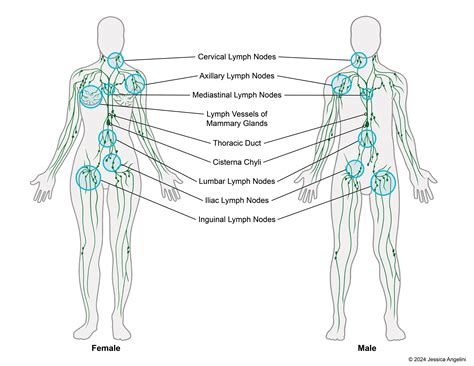
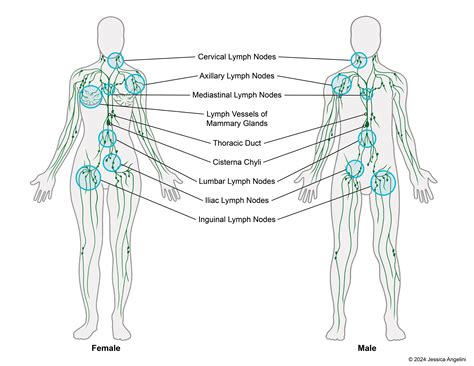
For some individuals, these techniques to stimulate the lymph system are only needed to initiate the process, while others may require ongoing engagement. All lymph ultimately drains to a final location just above the collarbone. The primary clusters of lymph nodes are located in the armpits and groin area. The main drainage for the head is behind the angle of the jaw and a nearby muscle (SCM), approximately one finger's width from the jaw angle. Understanding these anatomical details can empower you through knowledge and visualization.
Natural Strategies for Lymphatic Detoxification
Detoxifying the lymphatic system, alongside other bodily systems, should be a priority in a healthy lifestyle. The following strategies can significantly improve the health and function of your lymphatic system:
1. Manual Lymphatic Drainage Massage
Specialized massage techniques designed to promote lymphatic drainage are highly effective in clearing congestion and encouraging fluid flow within a compromised lymphatic system. This type of massage, often termed manual lymphatic drainage (MLD), can alleviate swelling and pain, bolster the immune system, cleanse tissues of accumulated waste, and gently enhance the circulation of lymph fluid throughout the body. The use of strokes and pressure applied to muscles, tissues, and organs during massage helps stimulate the circulatory system and expel toxins for elimination. It is crucial to drink water after a massage session to aid in flushing these toxins from the system.

2. Diet and Nutrition
Your dietary choices play a pivotal role in both your physical and mental health. A well-balanced diet contributes to a general feeling of well-being. Consuming healthy foods generates less waste for your lymphatic system to process. Conversely, avoiding foods that are high in salt, sugar, and preservatives, such as processed foods, can reduce the likelihood of lymphatic congestion. Opt for natural foods like dark green vegetables, ginger, citrus fruits, flaxseed, and garlic, which are beneficial for lymphatic cleansing.
Incorporating a regular detox cleanse, supported by liver enzymes, can alleviate the burden on your liver and kidneys, thereby reducing the amount of work your body needs to do to eliminate toxins from your diet. The most potent cleansing spices include ginger, cinnamon, oregano, turmeric, cumin, cilantro, fenugreek, fennel, cayenne pepper, black pepper, clove, parsley, and rosemary. These should be integral components of a healthy diet for sustained health benefits.
3. Herbal Remedies
The use of herbs is a time-honored method for naturally purifying the lymphatic system. Herbs such as calendula, echinacea, and dandelion are known for their ability to promote lymphatic drainage, reduce swelling and pain, and enhance immune function. Additionally, certain herbs are effective in cleansing various organs and systems in the body, including dandelion, organic milk thistle, black walnut, cilantro, peppermint, eucalyptus, and stinging nettle.
4. Hydration
Adequate water intake is fundamental to every aspect of your health, including the proper functioning of your lymph system. Drinking at least 8 glasses of water daily helps maintain fluid circulation and prevents system congestion.
5. Regular Exercise
Consistent physical activity is an excellent way to stimulate the lymphatic system and promote the detoxification of waste. Exercising regularly is one of the simplest methods to support a healthy lymphatic system. It enhances blood circulation, facilitating the transport of oxygen to tissues and cells throughout the body. Simple movements to stimulate lymph circulation in the chest and underarm area can be performed by standing in a relaxed position, extending arms parallel to the floor, and rotating them in small, medium, and large circles, both forwards and backward, for a set number of repetitions. Performing diaphragmatic breathing concurrently with arm circles can further boost lymph circulation. If this exercise is too strenuous, it can be modified by performing it in bed while lying on your side, using one arm at a time.

6. Stress Management
Managing stress through practices like yoga, meditation, stretching, and breathing exercises is essential for maintaining a well-functioning lymphatic system. Certain herbs, such as Ashwagandha, Ginseng, Rhodiola, Reishi Mushroom, and Holy Basil, can aid in reducing stress levels.
7. Sauna Therapy
Sauna use can promote detoxification, improve circulation, and purify the skin, thereby supporting a healthier lymphatic system. Additionally, saunas can help alleviate pain, lower blood pressure, and induce relaxation.
8. Essential Oils
The top essential oils for detoxification include clove, lemongrass, lemon, rosemary, and myrrh. The use of essential oils requires careful consideration due to their potency. Applications typically involve inhaling antioxidant compounds or diluting them with a carrier oil for topical application.
9. Dry Brushing
Considering that the skin is the body's largest elimination organ, dry brushing offers an accessible and pleasant method to enhance circulation and detoxification. It improves skin appearance by sloughing off dead cells and promoting skin regeneration.
10. Juicing Fast
A juicing fast can facilitate the absorption of key detoxifying nutrients into the system, ensuring not only the detoxification of bodily systems but also an effective way to prevent the detrimental effects of less healthy food choices.
11. Body Wraps
Body wraps, often made from sea clay or other ingredients, help to tighten the skin while drawing out accumulated toxins. They can also contribute to weight loss and leave the skin feeling refreshed.
12. Hydrotherapy
Hydrotherapy involves the use of water in various forms, such as hot tubs, cold showers, ice packs, hot springs, and water massage. Immersion waters used in spas can be rich in minerals and enhanced with essential oils.
13. Conscious Breathing
Even without strenuous physical activity, simple breathing exercises can be beneficial. Conscious breathing for lymph circulation can be practiced while seated comfortably, preferably in a location with fresh air. Focus your attention on your lower abdomen, observing the natural rise and fall with each breath. After a few minutes, take a deep breath, consciously filling your belly with air.
When to Seek Professional Advice
While occasional fluid buildup might not cause significant disruption, persistent swelling in the arms, legs, abdomen, or other areas can be taxing. This can lead to limbs feeling tired and heavy, skin feeling tight or uncomfortable, and clothing or jewelry no longer fitting properly. Whether caused by a health condition or medical treatment, lymphedema can be addressed with lymphatic drainage massage as a valuable component of a care plan. However, it's important to consult with a healthcare provider to determine if this approach is suitable for your individual needs. They can offer guidance on the best course of action and ensure that any detox protocol aligns with your overall health status.