It’s a common concern for consumers: spending hard-earned money on a high-quality product that promises significant results, only to receive a sub-par, potentially irritating, and poorly designed imitation. As with any popular item, counterfeit versions inevitably emerge. This guide is designed to help you navigate the market safely and avoid falling victim to fraudulent products.
The Rise of Counterfeit Korean Cosmetics
The global demand for Korean cosmetics, known for their high quality and innovative formulations, has led to a burgeoning market. This popularity naturally attracts less scrupulous individuals looking to profit from the demand for trusted brands. Brands such as Beauty of Joseon, Medicube, Anua, TIRTIR, and Round Lab are frequently targeted by counterfeiters due to their widespread appeal and consistent sales.
Counterfeit products often originate from regions with extensive manufacturing capabilities, such as China. Reports indicate a significant number of listings for counterfeit Korean products, leading to financial losses for legitimate brands and widespread disappointment among consumers. The sophistication of these fakes is increasing, making it more challenging to distinguish them from genuine items.
Key Strategies for Identifying Fake Korean Cosmetics
To protect yourself from counterfeit products, it's essential to be vigilant and employ several verification methods. While counterfeiters are becoming more adept, certain indicators can still reveal a fake.
1. Packaging Analysis: A Closer Look
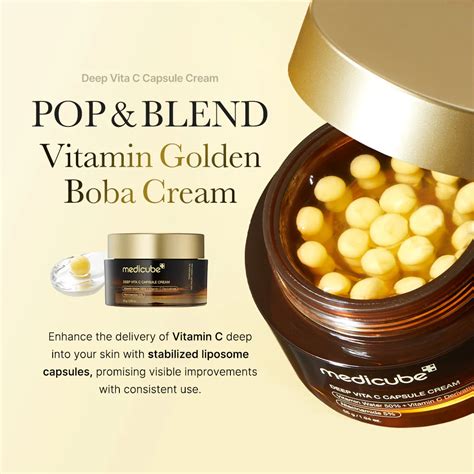
Initially, visual discrepancies in packaging, such as poor dye quality, inaccurate logos, and spelling errors, were primary indicators of fake products. However, Korean cosmetic brands are now prioritizing consistent and high-quality packaging to build consumer trust. Newer companies may update their packaging designs as they evolve, which can sometimes cause temporary confusion. For instance, two Medicube Deep Vita C Capsule Creams with consecutive batch numbers (3D vs. 8D) might feature different color schemes due to an updated design, even if the product inside is identical.
Established brands like Beauty of Joseon and COSRX have become more conscious of consumer concerns regarding packaging inconsistencies. Since 2024, there has been a noticeable trend towards more solid and consistent brand identities. If a product's packaging appears unusual and the brand has not recently announced a design update, it is advisable to exercise caution.
2. Verifying Batch and Barcode Numbers
A more reliable method for authentication involves checking specific identifiers on the product packaging.
Barcode (GTIN) Verification
The Barcode number, also known as the Global Trade Item Number (GTIN), is unique to each product and should match across all genuine items. This number helps prevent confusion in different markets.
Batch Number Authentication
The Batch number, typically a 5-6 digit code consisting of letters and numbers, is crucial for deeper verification. It is usually found near the expiry or manufacturer's date. This number is specific to each production run and is difficult for counterfeiters to replicate accurately.
Websites like CheckExp.com allow you to verify the authenticity of many Korean brands by entering the batch number. If the batch number is not recognized or the product is listed as 'unavailable,' it is a strong indication of a counterfeit product. Even seemingly perfect fakes, with accurate barcodes and no visible errors, can be exposed by an invalid batch number. For example, a counterfeit Cosrx Low pH Gel Cleanser with a matching barcode and flawless packaging was identified as fake when its batch code (CP6222) did not correspond to any official Cosrx production on CheckExp.com.
It is important to note that batch code verification may not be available for all brands. Some platforms allow users to submit products for review if more information is needed.
3. Product Testing (Use with Caution)
If online verification methods are unavailable and the packaging appears legitimate, you might consider a spot test. Apply a small amount of the product to the back of your hand. If you experience any itching, burning, or adverse reaction, immediately discontinue use and discard the product. This method is generally not recommended as a primary authentication technique due to potential risks.
4. The Price Tag: A Signal of Authenticity
Genuine Korean cosmetic brands adhere to specific pricing models. Retailers are expected to maintain brand integrity, and selling products at significantly reduced prices can lead to issues with the brand. If you notice a product, such as a Medicube serum, being sold for a price considerably lower than its typical market value (e.g., $39 serum for $20), it warrants suspicion. Such drastically low prices may indicate the product is sourced from disreputable channels.
While sales and promotions from reputable sellers are common, exceptionally low prices from unknown or untrusted sources should be a red flag. Always verify reviews and ensure the seller has a legitimate connection to the brand.
5. Supplier Verification: The Most Crucial Step
The most effective way to ensure you are purchasing authentic Korean cosmetics is to buy exclusively from reputable suppliers. Genuine Korean beauty suppliers operating within established markets often offer competitive pricing and guarantee authenticity. Conversely, purchasing from platforms known for low prices and questionable sourcing (like Shein or Temu) significantly increases the risk of acquiring counterfeit goods.
It is always safer to purchase from a trusted retailer, even if it means paying a slightly higher price, than to risk buying a fake product online. Counterfeit products not only waste your money but can also contain harmful ingredients and damage your skin. Prioritize legitimate sources that have a proven track record of honesty and reliability.
Summary of Authentication Tips
- Shop Smart: Purchase from known, reputable retailers.
- Check Barcode Numbers: Ensure the GTIN/Barcode is consistent.
- Verify Batch Numbers: Use online tools like CheckExp.com when possible.
- Be Wary of Unrealistic Prices: If a deal seems too good to be true, it likely is.
- Trust Your Source: Prioritize suppliers with a proven track record.
By staying informed and employing these strategies, you can confidently enjoy the authentic benefits of Korean beauty products and avoid the pitfalls of counterfeit items.
Frequently Asked Questions About Fake Korean Cosmetics
Where Do Fake K-beauty Products Primarily Originate From?
Statistically, the majority of fake K-beauty products originate from China, owing to its vast manufacturing capabilities and advanced technology that facilitates mass production of look-alike cosmetics. As counterfeiters' technology improves, their products increasingly rival those of the original companies, making them harder to distinguish.
Are Fake Korean Cosmetics Always Cheaper?
While many counterfeit products are marketed at significantly lower prices to attract consumers away from genuine sources, this is not always the case. Some sophisticated fakes, often referred to as "fancy fakes," are priced similarly to authentic products, making price an unreliable sole indicator of authenticity.
What Are the Dangers of Fake Korean Cosmetics?
Fake Korean cosmetics pose significant risks. Your money is spent on inferior products that are likely to harm your skin. They may contain damaging compounds, allergens, or substances that can cause lasting injury. Furthermore, counterfeits damage the reputation of the brands being imitated, harm consumers directly, and erode trust in the beauty market as a whole. Any cosmetic product causing skin damage should not be used.
What is the Best Method to Avoid Fake Korean Cosmetics?
The most effective way to avoid fake Korean cosmetics is to buy from reputable sources. Purchasing from open markets or overseas companies with unclear product sourcing increases the likelihood of encountering counterfeit items. High-level duplicates are often indistinguishable from genuine products by sight alone. Avoid large marketplaces with unknown suppliers and platforms known for selling fake goods.