Maintaining a daily facial cleansing routine is essential for healthy skin. While various methods exist, from double cleansing to using cleansing balms, micellar water presents a gentle and effective alternative for removing dirt, grime, and makeup.
Formulated with purified water, moisturizers, and mild surfactants, micellar water can also contribute to preventing acne without stripping the skin of its natural oils. Its absence of harsh chemicals and alcohol makes it a suitable choice even for individuals with sensitive skin. Dermatologist Alok Vij, MD, elaborates on the mechanisms of micellar water and its optimal usage.
What is Micellar Water?
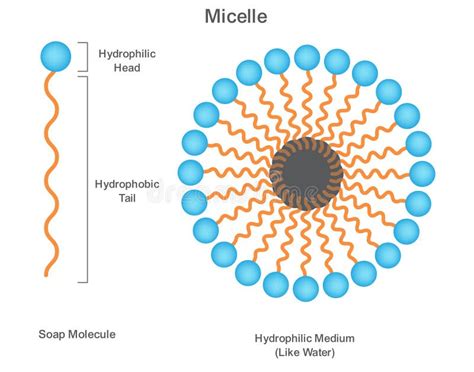
Originating in France, micellar water is a widely used skincare product designed to eliminate impurities and makeup from the skin. It is a remarkably gentle solution containing a very mild detergent. Dr. Vij explains, “The name comes from a micelle, which is a collection of molecules. And it’s called micellar water because there’s such a mild concentration of soap or detergent molecules in the water that it basically like little microscopic bubbles floating in water, so it doesn’t even feel like a soapy solution - it just it feels like water.”
Micellar Water vs. Toner
Face toners are typically applied after cleansing and before moisturizing or applying serums. Historically, toners were used to remove excess oil and residual impurities left after washing. However, modern toners have evolved. “The newer generations of toners are more focused on skin hydration and are less about cleansing,” notes Dr. Vij. “Many of them actually have water as the primary ingredient - similar to micellar water. The difference is the added ingredients - no micelles of soap, but low concentrations of alpha or beta hydroxy acids, for anti-aging or anti-acne purposes, or moisturizers.”
It is indeed possible to use both micellar water and a toner in your skincare routine. You can apply a toner after cleansing with micellar water, before proceeding with your moisturizer or serums.
Does Micellar Water Remove Makeup?
The effectiveness of micellar water in makeup removal is nuanced. While it can remove most makeup, including some waterproof cosmetics, due to its mild detergent content, it may not be sufficient for all types of makeup. Dr. Vij states, “But it doesn’t take off all kinds of makeup. If you use specialized makeup like stage makeup or even some kinds of waterproof cosmetics like mascara, it may not get all of it off. But it’s a great product to get a lot of makeup off. And for most people, it would probably be sufficient.”
Additional Benefits of Micellar Water
Beyond makeup removal, micellar water offers several other advantages for skin health:
Prevents Oil Stripping
Unlike some traditional facial cleansers that can strip the skin of its natural oils, leading to tightness and dryness, micellar water employs gentle cleansing agents. While some formulas include glycerin for hydration, micellar water alone may not provide sufficient moisture, necessitating the continued use of daily face creams or moisturizers.
Keeps Skin Clear
For individuals with oily skin, exfoliating cleansers and other harsh products can increase the likelihood of clogged pores and acne. Dr. Vij suggests, “Micellar water can be a good solution to add to your skin care routine for those with oily skin. It’s mild but effective at keeping your skin clean without over-drying or without using too many added chemicals.”
Suitable for All Skin Types
Due to its gentle nature and minimal oil stripping, micellar water is an excellent choice for all skin types. Dr. Vij notes, “If you have neutral skin to dry skin, it’s definitely great. And if you have rosacea, atopic dermatitis or allergic contact dermatitis, it’s great for you as well.”
How to Use Micellar Water
According to Dr. Vij, there are two primary recommended methods for using micellar water. The first involves splashing a small amount onto your hands and gently massaging it over your face, with no need for rinsing. Alternatively, for enhanced impurity and makeup removal, micellar water can be used with a microfiber washcloth or a cotton pad. Simply apply the micellar water to the cloth or pad and gently rub it across your face.

Who Should Use Micellar Water?
Micellar water can be seamlessly integrated into any skincare routine and is beneficial for all skin types. However, it's important to recognize that it is not a universal solution for all skin concerns. For persistent issues such as dryness, acne, fine lines, wrinkles, or excessively oily skin, additional specialized products will likely be required.
Numerous skincare brands offer their own versions of micellar water, available both in-store and online. When selecting a product, it is advisable to read labels and reviews to find an option that aligns with your budget and specific skin needs. Dr. Vij emphasizes, “Micellar water may not solve all your issues, but it’s a very gentle soap.”
Understanding Cleansing: Micellar Water vs. Foaming Cleansers
Cleansing is a fundamental step in any skincare routine, yet it's often the most misunderstood. The choice between micellar water and foaming cleansers depends on individual skin needs and the desired level of cleansing.
The Science of Cleansing
Your skin is constantly exposed to various elements, including pollution particles, sweat, excess oil (sebum), sunscreen, makeup, and dead skin cells. A cleanser's primary function is to remove these impurities without damaging the skin's natural protective barrier. This barrier relies on natural lipids, healthy bacteria, and a stable pH. Harsh cleansing can strip these protective oils, leading to barrier damage, increased oil production, redness, sensitivity, and even accelerated aging.
What is Micellar Water?
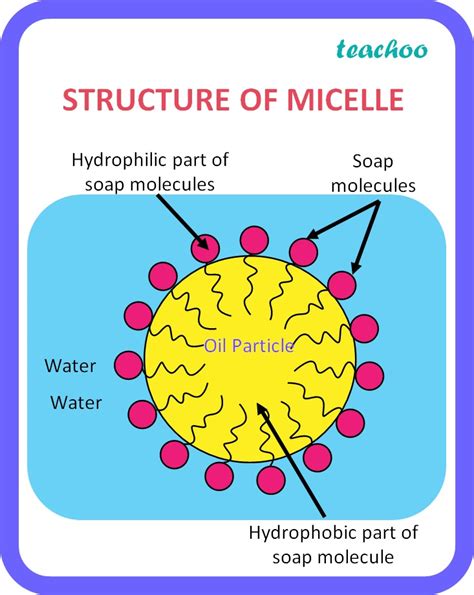
Micellar water appears as plain water but contains micelles-tiny clusters of mild surfactant molecules suspended in purified water. These micelles act like magnets, attracting and trapping oil, dirt, and makeup. This mechanism allows for impurity removal without scrubbing or foaming, and crucially, no rinsing is required, making it exceptionally gentle. Benefits include reduced irritation, avoidance of drying tap water minerals, potential hydration from added ingredients like glycerin or panthenol, and suitability for all skin types, especially sensitive or dry skin. Its portability and time-saving nature are also significant advantages. However, micellar water may not fully remove heavy foundation or waterproof sunscreen in a single application and is often best used as a first cleanse rather than the sole cleansing step.
What are Foaming Facial Cleansers?
Foaming cleansers are water-based washes that utilize mild detergents to remove deeper oil, sweat, and impurities. They work by using surfactants to bind to oil and debris, which are then rinsed away with water, leaving the skin feeling refreshed. Foaming cleansers are effective for removing heavy makeup, SPF, and deep impurities, helping to prevent pore blockages and acne. Modern sulfate-free formulas are often gentle and barrier-safe, suitable for various skin types. However, overly harsh formulas can strip natural oils, compromise the skin barrier, and potentially trigger dryness or oil rebound.
Micellar Water vs. Foaming Cleansers: A Comparison
| Feature | Micellar Water | Foaming Cleanser |
|---|---|---|
| Best For | Sensitive, dry, all skin types | Oily, combo, heavy makeup users |
| Removes Makeup | Yes (even waterproof, with effort) | Yes, but may need double cleanse |
| Irritation Risk | Very low | Medium (depends on formula) |
| Rinsing Needed | No | Yes |
| Barrier-Friendly | Yes | Variable |
| Portability | Excellent (no water needed) | Less convenient |
Why Many Cleansers Fail Your Skin
Common cleansing mistakes include over-cleansing with harsh foaming agents, relying solely on makeup wipes (which can contain alcohol and fragrance), skipping nighttime cleansing, and scrubbing aggressively. These habits can lead to breakouts, sensitivity, and premature aging.
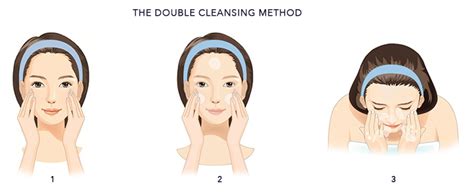
The Case for Double Cleansing
Dermatologists and estheticians often recommend double cleansing, particularly at night. This involves:
- Step 1: Micellar Water - Removes makeup, SPF, pollution, and surface oil.
- Step 2: Gentle Foaming Cleanser - Washes away residue and purifies pores.
This method ensures no residue is left behind, prevents clogged pores, and leaves the skin balanced and ready for subsequent skincare steps. Double cleansing is especially beneficial after wearing long-wear makeup or SPF, in polluted environments, or for oily, combination, or acne-prone skin. For lighter routines, micellar water alone in the morning or a gentle foaming cleanser on no-makeup days may suffice.
Choosing the Right Micellar Water for Your Skin Type
With a wide array of micellar waters available, selecting the best formula for your skin type is crucial. Generally, good micellar water should be free of parabens, sulfates, denatured alcohol, and dyes. Fragrance should be avoided if you have sensitive skin.
For Makeup Wearers
While most micellar waters can remove makeup, some formulas are specifically designed for this purpose. Products like Garnier's SkinActive Micellar Cleansing Water (waterproof makeup version) or Glossier’s Milky Oil (combining micellar water and cleansing oil) offer enhanced makeup removal capabilities.
For 'Normal' Skin
If you have no specific skin concerns, most micellar waters will be suitable. Options like Caudalie's French formula or REN's Rosa Centifolia Cleansing Water offer effective cleansing and refreshing properties.
For Dry or Sensitive Skin
Individuals with dry or sensitive skin should opt for fragrance-free formulas that are gentle and include moisturizing properties. Bioderma Sensibio H2O is highly regarded for its soothing capabilities, while Simple's Kind to Skin Micellar Water contains vitamins to aid hydration.
For Oily or Acne-Prone Skin
Oily skin types may benefit from micellar waters that help remove excess oil and leave a non-shiny finish. For acne-prone skin, formulas containing ingredients like vitamin C, salicylic acid, or niacinamide can be advantageous. Examples include Yes To Tomatoes Micellar Cleansing Water (with salicylic acid) and La Roche-Posay’s Effaclar Micellar Water (with zinc).
For Combination Skin
Combination skin requires a balance-something that effectively cleanses without causing excessive dryness or oiliness. Lancome’s Eau Fraiche Douceur and Biore’s Baking Soda Cleansing Micellar Water are recommended for their ability to leave skin feeling soft and toned without over-drying.
Noticeable differences in skin can often be seen almost immediately after incorporating micellar water into a routine. If results are not as expected, consider trying a different brand or formula.
Ultimately, micellar water serves as a valuable supplement to your daily cleansing routine, offering gentle cleansing rather than being a sole replacement for all cleansing needs.