The pursuit of flawlessly defined eyebrows has become increasingly accessible with a variety of products and services available. On the professional front, both microblading and microshading have opened doors to enhancing the shape, look, and texture of beautiful brows. This article will delve into the potential benefits, drawbacks, and other details surrounding both services to help clients make the most informed decisions.
What is Microblading?
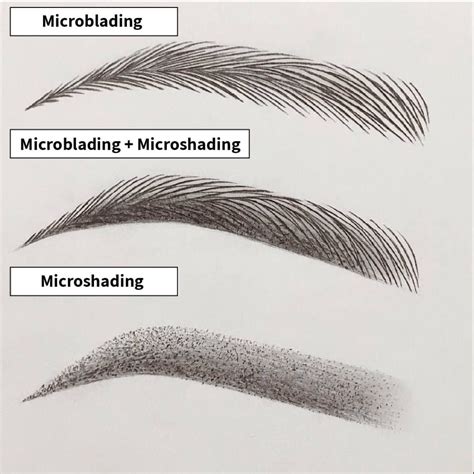
Microblading is a semi-permanent treatment that promises to deliver depth and definition to eyebrows using pigment and a fine blade. The process involves gently brushing the blade across the skin to deposit ink in a way that mimics individual strands of hair.
What is Microshading?
Potentially confused with microblading, microshading employs a slightly different technique to apply pigment into the skin. Instead of mimicking individual hair strands, microshading offers a soft, powder-like fill, adding thickness to the natural shape of the eyebrows. This technique uses a machine to administer tiny, pin-like dots along the eyebrow, creating a shaded effect.
Comparing Microblading and Microshading: Pros and Cons
While each service offers distinct results, understanding what to expect is crucial before making a selection. Below, we outline the positives and setbacks for each service.
The Benefits of Microblading
- Natural Look: Microblading excels at creating a consistent, natural look, subtly enhancing the brows.
- Daily Convenience: It offers the personalized look of a brow pencil without the need for daily reapplication.
Downsides to Microblading
- Cost: Microblading can be a significant investment.
- Discomfort: The process can be uncomfortable or irritating for some clients, although numbing cream is typically provided.
- Aftercare Sensitivity: Improper aftercare could lead to negative side effects, infection, or altered results.
Pros of Microshading
- Soft, Filled-In Look: Microshading delivers a softer, more filled-in appearance, suitable for those seeking a polished look.
- Versatility: This technique works well for various brow shapes and is ideal for filling in sparse or over-plucked brows.
- Skin Type Suitability: It is a better process for individuals with sensitive skin and those with oily skin.
Microshading Cons
- Longevity: While less painful, microshading may not offer the same longevity of results as microblading.
- No Hair Mimicry: Microshading is primarily a filler process and does not mimic the look of individual brow hairs.
Is One Treatment Better Based on Your Skin Type?
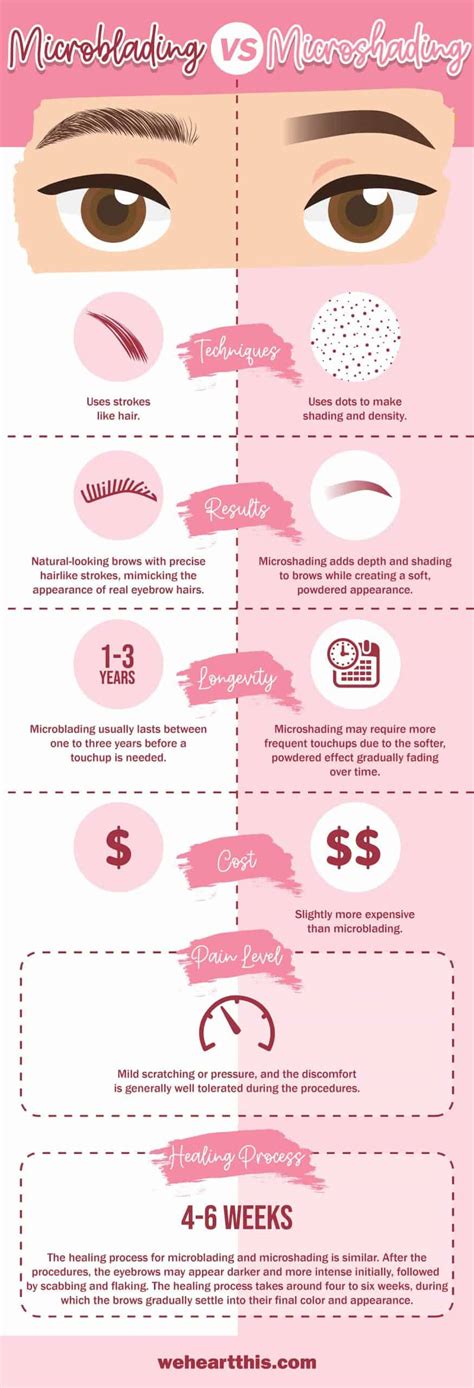
Believe it or not, skin type plays a role in achieving optimal results. For those with oily skin, microshading proves to be the better service option because the pigment is pressed into the skin rather than creating micro-incisions, which can blur over time on oilier complexions.
Which Technique Has Longer-Lasting Results?
In terms of longevity, microshading generally comes out on top, especially for individuals with oily skin. On average, microshading services can last anywhere from one to three years. Microblading, on the other hand, could last as little as eight months or as long as three years, with results varying based on skin type and lifestyle.
Does One Require More Touch-Ups Than the Other?
Given that microblading's staying power can be less than that of microshading, it's not surprising that microblading may require more touch-ups to maintain a sharp, full look. However, touch-ups are not always mandatory. The semi-permanent nature of these services means that each brow treatment will slowly fade over time, allowing for a seamless transition.
The Microblading and Microshading Process
Both microblading and microshading are semi-permanent cosmetic procedures that deposit pigment into the top layer of the skin, creating the illusion of fuller, thicker, and more defined brows. The core difference lies in the application method and the resulting aesthetic.
Microblading Technique
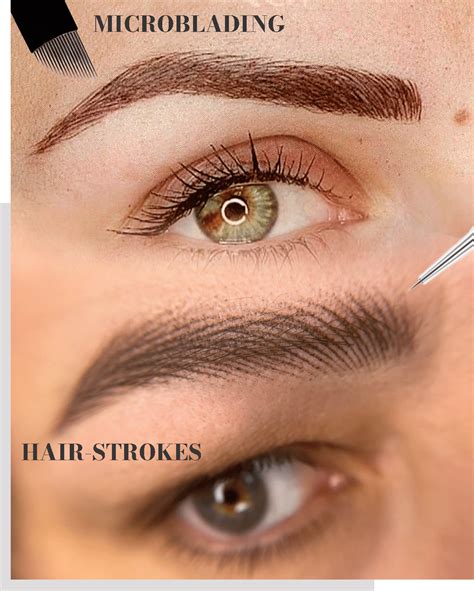
Microblading involves a technician using a handheld tool with fine needles to create precise, hair-like strokes along the eyebrows, mimicking natural hair growth. This technique is ideal for individuals seeking natural-looking eyebrows with defined lines.
Microshading Technique
Microshading, often referred to as "powder brows," uses a small machine to create a soft, powdered effect. This technique involves administering tiny, pin-like dots to fill in sparse areas, resulting in a more filled-in and dramatic look, akin to using an eyebrow pencil or powder.
Combination Brows
It is also possible to combine microblading and microshading. This popular technique merges hair strokes with shading to create a finished result that looks both soft and defined, offering the density of a makeup look with the natural fluffiness of hair strokes.
Preparation for Microshading
To prepare for a microshading procedure, it is recommended to avoid the following:
- Alcohol, caffeine, ibuprofen, and fish oil 24 hours before the procedure to prevent bruising and bleeding.
- Waxing or plucking eyebrows 1 week before the procedure.
- Facials at least 2 weeks before treatment.
- Sunbathing and tanning beds on the day of the procedure.
- Retinol or vitamin A products 1 month before the procedure.
The Microshading Procedure
Initial Session
The initial session typically begins with the technician measuring the client's face and determining the ideal brow shape, often with client input and reference photos. Once the shape is agreed upon, the technician will draw it out, remove excess hair, and determine the correct pigment color. This first session is the longest, usually taking about 2 hours.
Immediately after the procedure, eyebrows will appear darker for up to 5 days, gradually lightening as they heal to match the natural brow color within about 4 weeks.
Second Session (Perfecting Session)
A second session is scheduled approximately 8 weeks later. This "perfecting session" allows the technician to refine the design, potentially increasing thickness and tweaking the brow shape. This appointment is shorter, usually taking about 1 hour.
Post-Session Eyebrow Care
Proper aftercare is crucial for achieving the best results for both microblading and microshading. For the first week after treatment:
- Gently clean your eyebrows daily with a damp cloth and allow them to air dry.
- Apply a small amount of the recommended aftercare ointment.
- Avoid sleeping directly on your face for the first few days.
- Refrain from using eye makeup, exercising, using saunas, taking baths, or engaging in any activity causing excessive sweating.
- Limit sun exposure.
- Do not scratch or pick at your eyebrows.
After the initial week, clients can gently wash their face, including the brow area, using a mild cleanser. Harsh scrubs should be avoided.
BEST MICROBLADING RESULTS {Step by step instructions for Microblading Aftercare} Tina Davies
Potential Side Effects and Risks
Both microblading and microshading can lead to temporary side effects such as itchiness, redness, puffiness, and swelling immediately after treatment. Because these procedures involve implanting ink into the skin, there is a risk of injury if the needle penetrates too deeply. Reactions to numbing cream or tattoo ink, as well as infection from blood-borne pathogens, are also potential risks. Signs of a skin infection include increased pain, swelling, and blistering, requiring immediate medical attention.
Is Microblading Safe?
Not everyone is a suitable candidate for these procedures. Microblading and microshading are generally not recommended for individuals who are pregnant or breastfeeding, have a history of keloid scars, have used Accutane in the last year, have excessively oily skin or severe acne, or have eczema or psoriasis-prone skin on or around the eyebrows. It is paramount to find a highly qualified and licensed brow specialist who has completed accredited training and is certified in infection control.
Does Microshading Look Natural?
Microshading can look very natural, but the final result heavily depends on the skill of the artist. It's essential to research and select a reputable brow specialist, reviewing their portfolio and previous work. A microblading technician tattoos hair-like strokes, while microshading uses dots for a soft, powdered effect. Combining the two techniques can yield a beautifully natural yet defined look.
Cost and Longevity
The cost of microshading can range from $700 to $2,000 for both sessions, with prices varying based on location and the technician's expertise. Microshading results can last one to three years, though maintenance sessions every 6 to 8 months may be needed. Microblading results can vary more widely, from eight months to three years. These procedures are typically not covered by insurance and are paid for out-of-pocket.
tags: #microblading #and #shading