Winter, while offering cozy moments, often brings unwelcome consequences like dry skin, particularly around the nose. This seemingly minor issue can quickly escalate, leading to flaking, tightness, redness, and increased sensitivity, making even the simple act of touching the area painful and makeup application problematic. While not the most severe health concern, dry skin significantly impacts appearance, comfort, and self-confidence.
Dermatologists offer several recommendations to effectively manage and treat dry, irritated, and vulnerable skin around the nose.
Understanding the Causes of Dry Skin Around the Nose
Several factors can contribute to the dryness experienced around the nose:
Environmental Factors
The colder it gets outside, the higher we typically set our indoor thermostats. This creates a stark contrast between indoor and outdoor climates, acting as a "trap" for the skin, resulting in dryness and irritation around the nose. Excessive exposure to UV rays, dry winter air, and low indoor humidity can damage the skin's protective barrier and accelerate moisture loss. The nose, being a prominent and often exposed facial feature, is particularly susceptible to these environmental stressors.
Skin Conditions
Seborrheic Dermatitis
One major culprit behind dry skin around the nose is seborrheic dermatitis, a chronic condition that leads to flaky skin with a red, pink, or slightly purple appearance. It can manifest around the nostrils, as well as on the ears, eyebrows, beard, and scalp (with dandruff being the mildest form). While there isn't a specific cure, consulting a dermatologist or healthcare professional is advised if you suspect you have it.
Contact Dermatitis
Contact dermatitis, triggered by the skin's exposure to a particular substance, can also cause dry skin on the nose bridge. A common cause is nickel contact dermatitis, often from reading glasses resting on the nose.
Skincare and Product Usage
Harsh Ingredients
When the skin becomes irritated or extremely dry, it's crucial to temporarily avoid harsh active ingredients. This includes ingredients like retinoids and salicylic acid. While effective for other skin types, these can worsen dryness, tightness, and dehydration in already compromised skin.
Over-Cleansing and Exfoliation
While cleanliness is essential, excessive cleansing can strip the skin of its natural oils, leaving it parched, flaky, and inflamed. Harsh cleansers can weaken the skin barrier, allowing water to evaporate and irritants to penetrate. Similarly, over-exfoliation in an attempt to remove flakes can further irritate the skin. It's important to opt for mild, hydrating cleansers and avoid washing the face excessively, especially during dry months. If the skin isn't recovering, reducing the frequency of peels is recommended.
Allergies and Colds
Allergies and colds can manifest not only in sniffles but also in dry, crusty skin around the nose. The friction from constant nose-blowing with tissues, combined with the effects of medications, can leave the delicate skin in need of extra care. Using extra-soft tissues and maintaining moisturization can help reverse this dryness.
Internal Factors
Dehydration
Dehydration affects the entire body, including the skin. Drinking an adequate amount of water is crucial for maintaining overall skin health and preventing dryness from within. Limiting dehydrating beverages like alcohol and caffeine is also recommended.
Effective Treatments and Moisturizing Strategies
Addressing dry skin around the nose involves a multi-faceted approach, focusing on gentle care, appropriate product selection, and lifestyle adjustments.
Choosing the Right Moisturizers
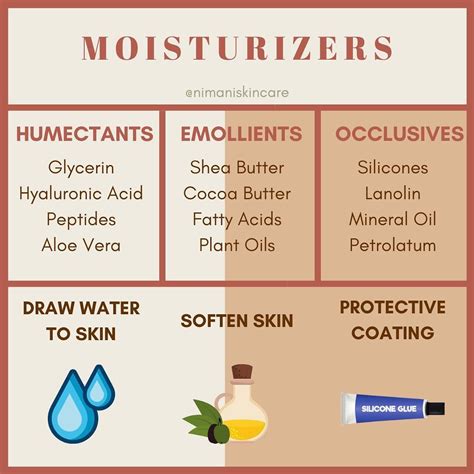
High-quality moisturizers are the first line of defense. Look for products with effective ingredients that restore the skin's protective barrier and lock in moisture.
Key Ingredients to Look For:
- Ceramides: Natural lipids that help restore the skin's protective barrier.
- Petrolatum: Acts as an occlusive, sealing in moisture.
- Glycerin and Hyaluronic Acid: Provide deep hydration by drawing moisture to the skin.
- Oatmeal and Allantoin: Known for their soothing properties, beneficial for sensitive and reactive skin.
- Squalane: A stable form of squalene that hydrates and smooths the skin.
- Dimethicone: A silicone that creates a protective layer to relieve irritated skin.
Formulation Matters: Creams Over Lotions
It's generally better to choose creams over lotions for dry skin. Creams are thicker and more effective at quickly restoring dry skin. For very dry areas, ointments may be even more beneficial.
Occlusive Moisturizers
Products like Aquaphor and Vaseline are occlusive and primarily consist of petrolatum, lanolin, and glycerin. They slow down water evaporation, create a protective barrier, and prevent moisture loss, while also shielding the skin from external irritants. These are best applied as the final step in a skincare routine, on top of a regular moisturizer, to maximize their effect.
Gentle Skincare Practices
Mild Cleansers
Use a gentle cleanser that removes impurities without drying out the skin or stripping its natural moisture level. Avoid harsh ingredients like alcohol, AHA and BHA acids, or retinol. Washing your face no more than twice a day is recommended.
Soothing and Restorative Creams
Soothing creams formulated for sensitive skin, free of fragrances, can help reduce redness and discomfort. Restorative creams are designed to strengthen the skin barrier, which is crucial when it's damaged. Washing your face with cool water, avoiding harsh cleansers, and applying a restorative cream immediately afterward helps hydrate and calm the skin.
Avoiding Over-Hydration
While tempting, applying excessively thick layers of cream can lead to breakouts, irritation, and increased redness. A thin layer of moisturizer is often sufficient. The principle of "less is more" can apply to skincare.
Lifestyle Adjustments
Humidifier Use
Using a humidifier in your room can help maintain adequate moisture in the air, preventing excessive dryness and cracking of the skin. This is especially useful during winter or in dry climates.
Dietary Choices
Nutrition plays a key role in skin health. Including foods rich in omega-3 fatty acids (like mackerel and salmon) and antioxidants (like green tea, dark chocolate, and turmeric) can help keep the skin hydrated longer and prevent dryness.
Hydration from Within
Drinking plenty of water is essential for maintaining overall skin health and preventing dryness from the inside out. Consider incorporating more hydrating foods into your diet and limiting dehydrating beverages.
Gentle Nose Blowing
During colds or allergy flare-ups, use gentle tissues infused with aloe and vitamin E. Avoid rubbing the nose vigorously. Applying a soothing moisturizer or a balm like Aquaphor or Vaseline to the inside of the nostrils can also provide protection and aid healing.
Dry skin cream with 2 ingredients
Recommended Products for Dry Skin Around the Nose
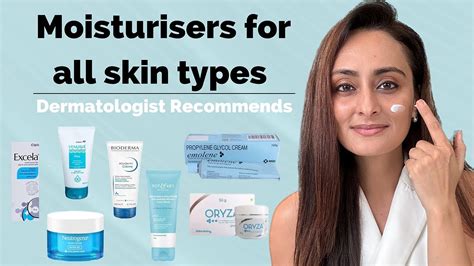
Dermatologists and skincare experts recommend various products that can effectively address dryness around the nose. These often feature a combination of barrier-repairing, hydrating, and soothing ingredients.
Expert-Recommended Moisturizers:
- CeraVe Moisturizing Cream: An NBC Select Wellness Award winner, accepted by the National Eczema Association, suitable for sensitive skin and effective at healing dryness.
- La Roche-Posay Toleriane Double Repair Face Moisturizer: A daily moisturizer that is hydrating enough to prevent dryness yet absorbs quickly without causing oiliness or exacerbating irritation.
- First Aid Beauty Ultra Repair Cream (Fragrance-Free): Combines colloidal oatmeal and allantoin to soothe redness and irritation, with shea butter to moisturize and protect the skin barrier.
- Avène Tolerance Control Soothing Skin Recovery Balm: A rich and thick cream that alleviates dry, rough patches without clogging pores.
- Cetaphil Moisturizing Cream: A simple, reliable, and nourishing option recommended as a best overall moisturizer for dry skin.
- Vanicream Daily Facial Moisturizer: Made with a blend of emollients and humectants, free from common irritants like dyes and fragrances.
- Vaseline Petroleum Jelly: An occlusive ointment that helps lock in moisture and promote healing, though it may clog pores for some.
- Aquaphor Healing Ointment: An occlusive moisturizer helpful for flaky, cracked, or scaly skin, creating a barrier to keep moisture in.
- Topicals Like Butter Hydrating Mask: Made with colloidal oatmeal to target extreme dryness and eczema, keeping skin hydrated and plump.
- First Aid Beauty Ultra Repair Lip and Skin Protectant: A balm that boosts the moisture barrier using dimethicone and colloidal oatmeal for soothing properties.
- Neutrogena Hydro Boost Water Cream: A highly recommended gel-cream for dry skin that is tolerable even when skin is raw, red, and inflamed.
- Kiehl's Ultra Facial Barrier Repair Cream: Contains colloidal oatmeal and beta-glucan to soothe redness and repair the skin's moisture barrier.
- Laneige Water Bank Blue Hyaluronic Serum: Merges hydration benefits with a lightweight feel, acting like a serum.
- Embryolisse Lait-Crème Concentré: A thick, creamy moisturizer that provides a moisture boost without being greasy, suitable for year-round use.
- Selfmade Face & Body Cream: Contains niacinamide and hyaluronic acid to hydrate and create a barrier against moisture loss, also suitable for body use.
- Charlotte Tilbury Magic Cream: A rich cream with hydrating ingredients like hyaluronic acid and camellia oil, providing a glowy finish.
- Biossance Squalane + Probiotic Gel Moisturizer: A quick-absorbing moisturizer with squalane oil and probiotics, reducing redness and suitable for active individuals.
- Tatcha The Dewy Skin Cream: Couples antioxidant ingredients with deep moisture, restoring water levels and replenishing ceramides.
- Summer Fridays Jet Lag Mask: An overnight treatment that deeply hydrates the skin, providing a "glazed donut" look.
- Skinbetter Trio Rebalancing Moisture Treatment: A more luxurious option with urea and hyaluronic acid for deep moisture without heaviness.
- The Outset Gentle Moisturizer: An allergy-tested, lightweight moisturizer that soothes, heals, and repairs sensitive skin.
- Eve Lom Rescue Mask: A moisture mask to calm dry, flaky, and irritated skin, providing hydration and an occlusive effect.
When to Consult a Professional
While these recommendations can help manage dry skin around the nose, persistent or worsening symptoms may indicate an underlying skin condition. If dryness persists, or if you notice signs of infection, it is advisable to consult a certified dermatologist. Conditions like seborrheic dermatitis or photoaging may require specific medical treatments.