DIY gallbladder flushes, such as an olive oil cleanse, have gained popularity as an at-home remedy for gallstones. However, it is crucial to understand whether these methods are effective and if they pose any health risks. This article explores the claims surrounding gallbladder cleanses, their potential side effects, and evidence-based medical treatments for gallstones.
Understanding the Gallbladder and Gallstones
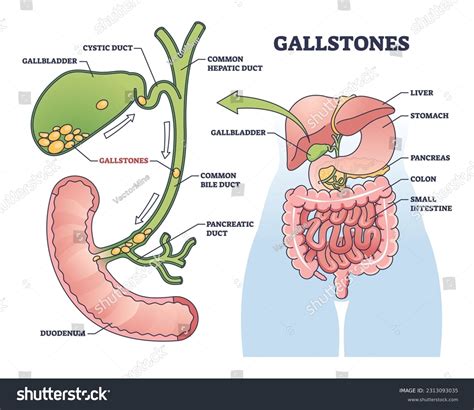
The gallbladder is a small organ, typically located just below the liver, that serves to store bile produced by the liver. Bile aids in the digestion of fats in the diet. The most common issue associated with the gallbladder is the formation of gallstones, which are hardened deposits that can develop within the gallbladder or bile ducts.
Several factors can increase the risk of developing gallstones, including:
- Being female
- Obesity
- Aging
- Rapid weight loss
- Sickle cell disease
- A diet high in saturated fat
While there may be a genetic component, evidence is not conclusive. Unsaturated fats might decrease the risk, but other dietary factors remain largely unknown.
What is a Gallbladder Cleanse?
A gallbladder cleanse, also referred to as a gallbladder flush or liver flush, is an alternative remedy proposed to rid the body of gallstones. Typically, these regimens involve consuming a combination of ingredients like olive oil, certain fruit juices (such as grapefruit, lemon, or orange), and sometimes herbs over a specific period.
The purported mechanism behind these cleanses is that the ingredients break down gallstones within the gallbladder and stimulate the body to pass them in the stool. Some proponents believe that this process can help alleviate symptoms and potentially avoid surgery.
The Role of Olive Oil in Gallbladder Cleanses
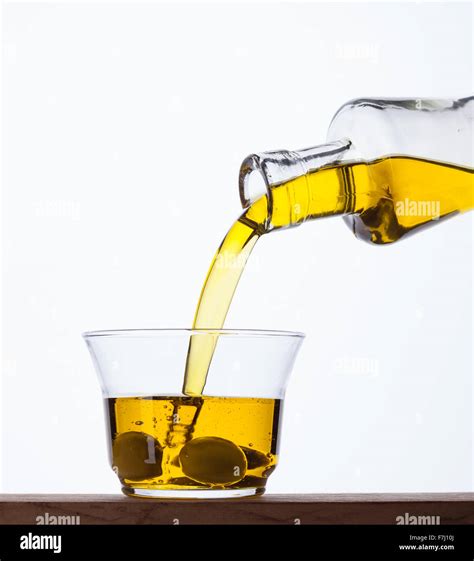
Olive oil is a common ingredient in many gallbladder cleanse protocols. It is believed that olive oil can stimulate the gallbladder to release bile, which may, in turn, help to move gallstones. Olive oil does possess laxative properties, but there is no scientific proof that it has a direct impact on breaking down or eliminating gallstones.
Some individuals attempting an olive oil cleanse may observe lumps in their stool following the procedure and suspect they are gallstones. However, medical experts, including those at the Mayo Clinic, suggest that these lumps are more likely to be undigested globs of olive oil, juice, and other food components from the digestive tract, rather than actual gallstones.
Scientific Evidence and Medical Perspectives
Despite the popularity of gallbladder cleanses, there is a significant lack of scientific evidence to support their effectiveness in treating or eliminating gallstones. Reliable medical sources, such as the Mayo Clinic and the National Center for Complementary and Integrative Health, state that there are no proven at-home cleanses that can get rid of gallstones or improve related symptoms.
A review in the journal Alternative Medicine Review noted that few individuals who complete a gallbladder cleanse undergo follow-up imaging to confirm a reduction in gallstones. The lumps observed in the stool are generally not composed of the typical components of gallstones, such as cholesterol or bilirubin. While an early 1990s study using ultrasound suggested some individuals had fewer gallstones after a flush, no significant medical studies have been published since that time to corroborate these findings.
The medical community generally advises against relying on such cleanses and recommends consulting a healthcare professional for diagnosis and treatment of gallstones.
Potential Health Risks and Side Effects
Attempting a DIY gallbladder cleanse can lead to several adverse health effects. The consumption of large amounts of olive oil and juice without adequate nutrition can cause:
- Nausea
- Diarrhea
- Vomiting
- Abdominal pain
These symptoms can exacerbate existing discomfort and may even introduce new health concerns. Furthermore, the specific side effects can vary depending on the "recipe" used for the cleanse, including any additional herbs or ingredients incorporated.
It is also possible for a gallbladder cleanse to be ineffective in clearing gallstones, potentially delaying necessary medical treatment and allowing symptoms to worsen or leading to gallbladder infection.
Medical Treatments for Gallstones
If gallstones are causing concern or symptoms, it is essential to seek guidance from a doctor. Gallstones that do not cause symptoms may not require treatment. However, when treatment is necessary, medical professionals can offer proven techniques with fewer side effects and better outcomes.
Medication
For symptomatic gallstones, a doctor may prescribe medication to manage pain and discomfort. If an infection develops, antibiotics may be necessary to treat the gallbladder and surrounding organs. Certain medications, like ursodeoxycholic acid (Actigall), can help dissolve gallstones over a period of six months to a year. However, this medication is often less effective for large gallstones or those not primarily composed of cholesterol.
Surgery (Cholecystectomy)
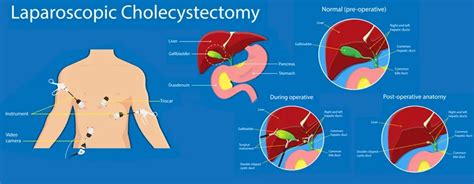
If gallstones cause persistent pain and do not pass on their own, they can lead to permanent damage. In such cases, surgery to remove the gallbladder, known as a cholecystectomy, may be recommended. This procedure addresses:
- Gallstones in the gallbladder (cholelithiasis)
- Gallstones in the bile duct (choledocholithiasis)
- Gallbladder inflammation (cholecystitis)
- Large polyps on the gallbladder
- Pancreatic inflammation (pancreatitis) often caused by gallstones
Gallbladder removal is considered a low-risk procedure, and many patients can go home the same day. Recovery time may vary depending on the incision size. After surgery, a special diet is often recommended, and some individuals may experience loose stools for a period as their body adjusts to the absence of the gallbladder.
Preventative Measures for Gallstone Prevention
While there is limited evidence supporting gallbladder cleanses, several lifestyle adjustments can help prevent gallstones:
- Eating a high-fiber diet
- Including healthy fat sources, such as olive oil, in moderation
- Avoiding high-fat foods like fried items, cakes, and cookies
- Maintaining a healthy weight; extreme low-calorie diets can increase risk
- Following a balanced and healthy diet
Consulting a Healthcare Professional
Given the potential health risks and lack of proven benefits associated with gallbladder cleanses, it is always advisable to consult with a doctor before attempting any such regimen. A healthcare professional can provide an accurate diagnosis, discuss appropriate medical treatments, and offer personalized advice based on individual health status.
Relying solely on anecdotal evidence or alternative therapies without scientific backing can lead to misunderstandings and potentially harmful outcomes. For a proper diagnosis and treatment plan, always seek the guidance of a qualified medical expert.
tags: #olive #oil #cleanse #gallstones