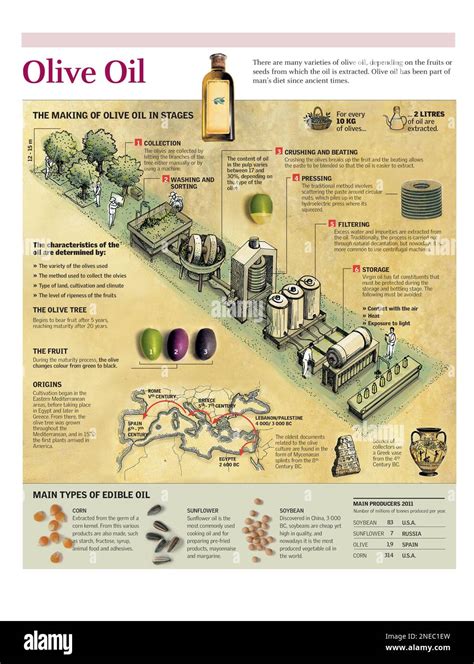
Olive oil, a liquid fat extracted from olives and predominantly produced in the Mediterranean region, has been recognized for its versatile uses, delightful flavor, and numerous health benefits. Beyond its culinary applications, olive oil can also be applied to the skin and hair. This article delves into the beneficial properties of olive oil and explores its various applications for skin and hair care, supported by user experiences and scientific insights.
Understanding Olive Oil's Properties
Olive oil is rich in compounds that can be beneficial for the skin. Its composition includes antioxidants, vitamins, and antibacterial properties, which contribute to its effectiveness in skincare and haircare.
Antioxidant Content
Olive oil possesses significant antioxidant properties, which play a crucial role in preventing oxidation. Oxidation is a process that can generate free radicals, chemicals that have the potential to damage cells and may contribute to the development of cancer. When applied topically, the antioxidants present in olive oil, such as those found in high oleic acid content, can help reduce skin damage and combat premature aging. Furthermore, consuming olive oil can also benefit the skin due to its content of oleocanthal, an antioxidant compound with anti-inflammatory properties similar to ibuprofen.
Vitamin Content
The oil contains fat-soluble vitamins A, D, E, and K, which can be advantageous for skin health. For instance, vitamin E oil is often used topically to address various skin conditions like psoriasis and eczema. However, it's important to note that most research on vitamin E for skin benefits focuses on oral supplementation, and conclusive evidence for topical application benefits is still developing.
Antibacterial Effects
Olive oil exhibits antibacterial properties, although the extent to which these benefit the skin is still under investigation. Limited studies suggest that olive oil, along with coconut oil, can display antibacterial effects against bacteria like Staphylococcus aureus on the skin. While virgin coconut oil has shown stronger efficacy in some studies, olive oil may still be useful in managing certain bacterial skin infections and potentially aiding in the healing of foot ulcers in individuals with type 2 diabetes.
Moisturizing Effects
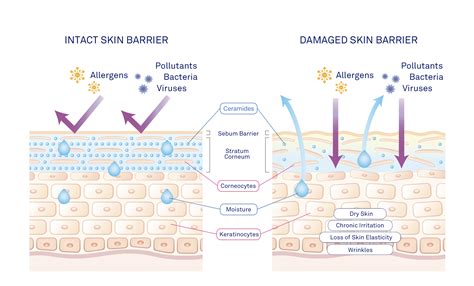
As a popular natural moisturizer, olive oil is utilized to soften both the skin and hair. Numerous cosmetic products incorporate olive oil for its hydrating capabilities. Studies comparing extra virgin olive oil (EVOO) with petrolatum have shown that both can improve skin hydration, reduce redness and flakiness, and enhance the skin barrier function. While petrolatum may be more effective at preventing water loss from the skin, EVOO aids in skin renewal by promoting cell turnover. Applying olive oil is also recognized as a standard method for moisturizing dry areas and preventing pressure ulcers, especially in older adults residing in nursing homes.
Choosing the Right Olive Oil
The effectiveness and safety of using olive oil on the skin can depend on the type of oil used. High-quality oils are recommended, as lower-quality versions might contain additives or chemicals that could cause skin irritation or damage. Extra virgin olive oil (EVOO) is considered the highest quality and least processed type. When purchasing olive oil, it is advisable to buy from a reputable brand and look for certification from the International Olive Council.
How to Use Olive Oil for Skin and Hair Care
Olive oil is a common ingredient in a wide array of personal care products, including face washes, body washes, soaps, and lotions. Beyond these commercial products, olive oil can be used directly in several ways:
Direct Moisturizer
Some individuals apply olive oil directly to their skin as a moisturizing lotion, blotting off any excess. Applying it to damp skin can help prevent a greasy sensation.
Exfoliator
For gentle exfoliation of the face and body, and to treat dry or scaly skin, olive oil can be mixed with sea salt to create a scrub. Fine-grained salt is recommended for the face and sensitive areas, while coarser grains can be used on other parts of the body.
Eye Makeup Remover
Olive oil effectively breaks down water-resistant substances found in eye makeup, making removal easier. A few drops on a cotton ball can be used to gently wipe away eye makeup.
Face Mask
Individuals with dry skin may find olive oil-based face masks beneficial. Mixing olive oil with ingredients like egg whites, honey, or ground oats can help soften and hydrate the facial skin.
Wrinkle Treatment
The antioxidant properties of olive oil may help reduce signs of aging and wrinkles. It can be applied gently around the eye area at night or after sun exposure.
Scar Oil
The vitamins and antioxidants in olive oil can potentially help fade scars by promoting skin cell regeneration. Massaging the undiluted oil into scars or mixing it with a little lemon juice can be used to treat areas of hyperpigmentation.
Olive oil may also play a role in preventing or treating stretch marks, although further research is needed to confirm these benefits.
Potential Risks and Considerations
While olive oil offers several potential benefits, it's important to be aware of potential risks and limitations:
Damaged Skin Barrier
Some research suggests that the use of olive oil for dry skin, particularly in infants and adults, may not be advisable for everyone, as it could potentially damage the outer layer of the skin in certain individuals.
Clogged Pores
As a relatively heavy oil, olive oil can potentially clog pores and trap bacteria if used excessively. It is recommended to use it sparingly and remove any excess oil promptly with a soft cloth or cotton ball.
Skin Irritation
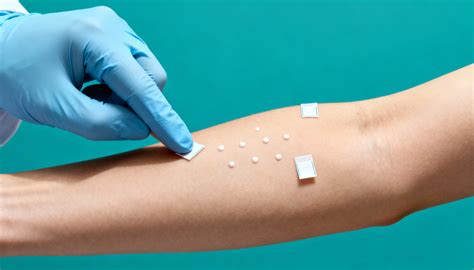
Some individuals may experience skin irritation when using olive oil. It is advisable to perform a patch test by applying a small amount to a small area of skin and waiting 24 hours to check for any adverse reactions before applying it more broadly.
User Reviews and Product Experiences
Many users have shared positive experiences with olive oil-based products, particularly for hair care. The Organic Root Stimulator (ORS) Olive Oil Incredibly Rich Moisturizing Lotion, formulated with Black Castor Oil, is frequently praised for its ability to restore the hair's natural moisture balance, impart long-lasting shine, and provide maximum heat protection. Users with various hair types, from thick and dry to fine and easily tangled, have found this lotion to be effective. It is described as rich but not heavy or greasy, making hair feel soft and hydrated.
One user mentioned its effectiveness after relaxing their hair, keeping it soft and shiny for an extended period. Another user highlighted its value as a daily hair lotion that improves elasticity and hydration. There are also anecdotal reports of olive oil-based lotions being used as a natural repellent for sand gnats in certain coastal regions, with users preferring the lotion over spray formulations for this purpose.
However, it is important to note that consistent use of such products requires proper hair hygiene. One reviewer advised washing out the product nightly and avoiding workouts with it in the hair, as sweat carrying the oils could potentially lead to acne. Concerns have also been raised about the product's availability, with some users in Canada finding it difficult to locate and expressing sadness at the possibility of it being discontinued.
How To Get Maximum Hair Moisture | 4c Hair Tutorial
A user transitioning to natural hair after years of experimenting with other products found that the ORS shampoo, conditioner, and deep leave-in conditioner revitalized their hair, transforming it from a straw-like texture to soft and manageable.
tags: #olive #oil #moisturizing #lotion #reviews