Retinoids, derived from vitamin A, are potent ingredients in skincare known for their ability to accelerate cell turnover, stimulate collagen production, and address various skin concerns, from acne to aging. While prescription-strength retinoids like tretinoin work directly on skin cells, over-the-counter (OTC) options require enzymatic conversion within the body to become active. This article explores the benefits of retinol serums and delves into their key ingredients, highlighting some of the top products available.
The Science Behind Retinoids
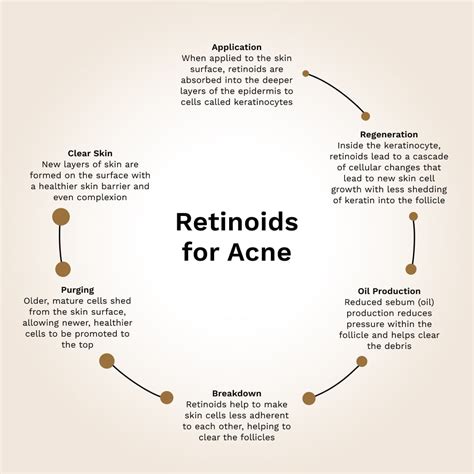
Retinoids are a class of compounds that are derivatives of vitamin A. They are available in both prescription and over-the-counter formulations. The primary mechanism of action for topical retinoids is to speed up cellular turnover, which means shedding dead skin cells and promoting the growth of new ones. This process leads to smoother, more resilient skin, reduced acne and oiliness, minimized pore appearance, and a more even skin tone.
While prescription-strength retinoids, such as tretinoin (often sold under brand names like Retin-A), directly interact with skin cells, OTC retinoids need to be converted by the body's enzymes to become active. The effectiveness and potential for irritation often depend on the number of conversion steps required.
Types of Retinoids
- Retinoic Acid (Tretinoin): This is the active form of vitamin A, available by prescription. It directly influences skin cells to accelerate renewal, stimulate collagen, and reduce inflammation and oiliness.
- Retinal (Retinaldehyde): This form requires only one conversion step to become retinoic acid. It is known for potentially delivering quicker, more visible results compared to retinol and is often encapsulated to minimize irritation.
- Retinol: Considered more stable than retinal, retinol requires two conversion steps to become retinoic acid. It is a widely available and effective ingredient in many OTC products.
- Retinyl Palmitate: This is the gentlest and weakest form, requiring multiple conversion steps. It is often found in milder formulations.
- Adapalene: Available both by prescription and over-the-counter (0.1% gel), adapalene is specifically geared towards treating acne. It works by unclogging pores and reducing inflammation.
Benefits of Retinol Serums
Retinol serums offer a multitude of benefits for the skin, addressing both signs of aging and common skin concerns.
Anti-Aging Effects
- Reduces Fine Lines and Wrinkles: Retinol increases skin cell production and stimulates collagen production, which helps to plump the skin and diminish the appearance of fine lines and wrinkles.
- Improves Skin Texture: By promoting cell turnover, retinol smooths rough skin texture and can make pores appear smaller.
- Boosts Collagen Production: Collagen is a protein that provides structure and elasticity to the skin. Retinol's ability to stimulate its production is key to its anti-aging benefits.
Acne Treatment and Prevention
- Unclogs Pores: Retinol prevents pores from becoming clogged with dead skin cells and oil, which is a primary cause of acne.
- Reduces Inflammation: It can help calm inflammation associated with breakouts.
- Prevents Future Breakouts: By keeping pores clear and managing oil production, retinol helps to prevent new pimples from forming.
Other Skin Concerns Addressed
- Improves Hyperpigmentation: Retinol can help lighten dark spots (sun spots, age spots) caused by sun damage or post-inflammatory hyperpigmentation.
- Evens Skin Tone: The accelerated cell turnover contributes to a more uniform and brighter complexion.
- Increases Skin Resilience: By thickening the epidermis and boosting collagen, retinol can make the skin more robust.
Key Ingredients in Retinol Serums
Beyond the active retinoid ingredient, many serums are formulated with other beneficial components to enhance efficacy and minimize potential irritation.
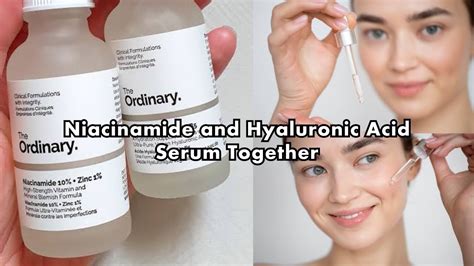
- Niacinamide: Also known as vitamin B3, niacinamide is a multi-tasking ingredient that can help improve skin barrier function, reduce inflammation, and minimize the appearance of pores. It is often paired with retinaldehyde for its soothing properties.
- Hyaluronic Acid: A humectant that draws moisture to the skin, helping to counteract the potential dryness associated with retinoids.
- Glycerin: Another effective humectant that hydrates the skin.
- Squalane: A stable emollient that mimics the skin's natural oils, providing hydration and improving suppleness.
- Peptides: These short chains of amino acids can signal the skin to produce more collagen, further supporting anti-aging efforts.
- Antioxidants (e.g., Vitamin E, Vitamin C): These ingredients protect the skin from environmental damage and can enhance the overall brightening and anti-aging effects.
- Soothing Agents (e.g., Aloe Vera, Centella Asiatica): These ingredients help to calm the skin and reduce redness or irritation that may occur with retinoid use.
Understanding Potency and Application
Retinoid products are available in various strengths, and it's crucial to choose one that suits your skin type and tolerance. Starting with a lower concentration and gradually increasing is generally recommended, especially for those new to retinoids.
Retinal vs. Retinol Concentrations
It's important to note that retinol and retinaldehyde concentrations are not directly comparable. A 0.3% retinol concentration is generally considered equivalent to a 0.03% retinal concentration in terms of potency.
Encapsulation Technology
Many advanced retinol and retinal formulations utilize encapsulation technology. This involves encasing the active ingredient in a lipid barrier, which helps to regulate its absorption into the skin. This controlled release mechanism can significantly reduce the potential for irritation, redness, and dryness, making the product more tolerable for sensitive skin.
Product Recommendations and Considerations
Several products stand out for their effectiveness, formulation, and suitability for different skin needs.
Medik8 Crystal Retinal 3
This retinaldehyde serum is praised for its adjustable potency, available in six strengths ranging from 0.01% to 0.24%. The 0.03% version was a tester favorite for its sheer, creamy texture and ability to spread easily. Encapsulated retinaldehyde aims for quicker, visible results with less irritation. While effective, it is on the pricier side.
SkinMedica Retinol Complex 1.0
This complex features retinol as the active ingredient and comes in strengths of 0.25%, 0.5%, and 1%. Cosmetic chemists consider retinol more stable in formulations. The encapsulated retinol in this serum contributes to a slower release, potentially leading to less redness and irritation. Testers noted significant line-smoothing benefits, especially with the higher concentrations, making it a good option for mature skin. It is one of the more expensive options and comes in opaque packaging.
Youth To The People Retinal + Niacinamide Youth Serum
This serum is formulated with 0.15% retinaldehyde and niacinamide, making it a gentle yet potent option for sensitive skin. Testers found it effective for reducing the appearance of fine lines and improving skin smoothness, even when used frequently. The inclusion of moisturizers like glycol, niacinamide, squalane, and glycerin helps to keep the skin hydrated. A potential drawback is that it can leave a yellowish cast and feel slightly tacky before drying.
LilyAna Naturals Retinol Cream
This cream offers a convenient two-in-one approach, combining retinoid application with moisturization. Formulated with retinol around 0.3% and featuring aloe as a primary ingredient, it is designed to be highly moisturizing and counter the drying effects of retinol. Ingredients like glycerin, shea butter, and tea extract further support hydration and skin soothing. It is well-tolerated by even sensitive skin types and has shown visible improvements in radiance and fine lines.
La Roche-Posay Effaclar Adapalene Gel 0.1%
For those specifically targeting acne, this adapalene gel is a top recommendation. Adapalene is a retinoid that is particularly effective at unclogging pores and reducing inflammation. This gel was noted for its ability to soften breakouts overnight without causing flaking or sensitivity. It layers well under other skincare products and, despite its initial cost, offers good value due to the generous tube size.
LâOréal Paris Revitalift 0.3% Pure Retinol
This drugstore option provides a good entry point into retinol use. With a 0.3% retinol concentration, it's considered tolerable and effective, providing a noticeable "zing" that users often associate with active ingredients. The serum absorbs quickly, allowing for immediate application of subsequent skincare steps. Its widespread availability makes it an accessible choice. Some testers found the scent less appealing, and the glass dropper can be imprecise.
Trader Joeâs Retinol Night Serum
This serum offers excellent value, containing several ingredients also found in more expensive products. With a 0.3% retinol concentration and added moisturizers like vitamin E and hyaluronic acid, it provides a smooth, sheer texture. The packaging is user-friendly with clear instructions. However, its availability is limited to Trader Joe's physical stores.
Which Ordinary Retinol Is Right For You? | 6 Types of Retinols | Dr. Somji Explains The Ordinary
How to Use Retinol Serums
Proper application is key to maximizing the benefits of retinol serums while minimizing potential side effects.
- Start Slowly: Begin by applying your retinol serum every third night, or even less frequently, to allow your skin to build tolerance.
- Gradual Increase: As your skin adapts, gradually increase the frequency of application to every other night, and eventually to nightly use, if tolerated.
- Apply to Dry Skin: Ensure your skin is completely dry after cleansing before applying the serum to prevent increased penetration and potential irritation.
- Use a Pea-Sized Amount: A small amount is sufficient to cover the entire face.
- Avoid the Eye Area (Initially): The skin around the eyes is more delicate. Start by avoiding this area or using a product specifically formulated for the eye area.
- Follow with Moisturizer: Apply a hydrating moisturizer after the serum to lock in moisture and soothe the skin.
- Use SPF Daily: Retinoids can increase sun sensitivity. It is crucial to wear a broad-spectrum sunscreen with an SPF of 30 or higher every morning, even on cloudy days.
Pure retinol serums may require a more gradual introduction compared to serums that blend retinol with other gentler ingredients. Always follow the specific product's instructions for use.
What is a Retinol Alternative?
For individuals with very sensitive skin, those who are pregnant or breastfeeding, or those who simply prefer to avoid vitamin A derivatives, retinol alternatives offer similar benefits without the potential drawbacks.
Bakuchiol
Bakuchiol is a plant-derived ingredient that has been shown to offer retinol-like benefits, including reducing the appearance of fine lines and wrinkles and improving skin texture. It is often considered gentler and more suitable for sensitive skin and can be used both morning and night. Some dermatologists recommend bakuchiol as an effective retinol alternative.
Other "Organic" Retinol Alternatives
Some brands market "organic retinol alternatives" that do not contain vitamin A but utilize other plant-based ingredients known for their regenerative and anti-aging properties. These can offer sun-friendly and sensitive-skin-friendly benefits while still promoting skin renewal and collagen production.