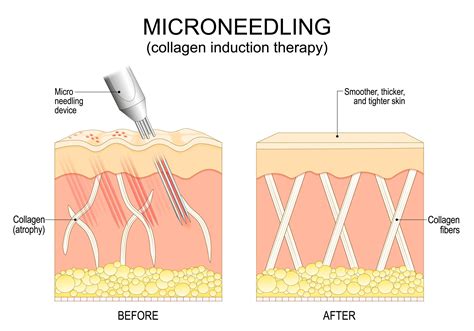
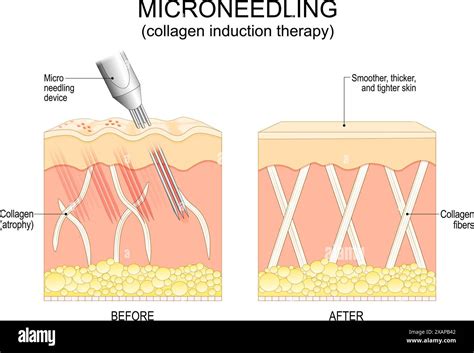
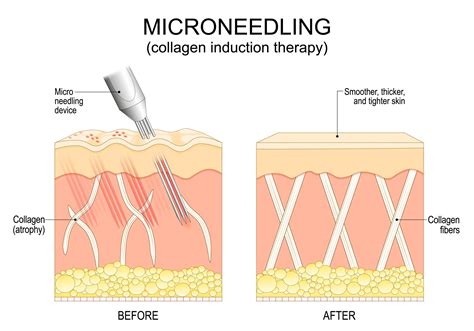
Microneedling is a minimally invasive treatment designed to rejuvenate the skin by creating controlled micro-injuries. These tiny wounds trigger the body's natural healing response, leading to increased production of collagen and elastin. This process results in firmer, smoother, and more youthful-looking skin.
Key Benefits of Microneedling
- Reduces the appearance of fine lines and wrinkles.
- Improves overall skin texture and tone.
- Minimizes the visibility of acne scars.
- Stimulates the skin's natural collagen production.
- Enhances the absorption of topical skincare products.
What Are Polynucleotides?
Polynucleotides are regenerative treatments derived from DNA fragments, primarily sourced from fish (like salmon or trout). These compounds work at a cellular level to repair damaged tissue, reduce inflammation, and deeply hydrate the skin. They also stimulate fibroblast activity, which is crucial for collagen and elastin synthesis. Polynucleotides are particularly effective for treating delicate areas, such as the under-eye region, and are generally safe for most skin types.
Key Benefits of Polynucleotides
- Promotes skin repair and regeneration.
- Improves skin hydration and elasticity.
- Reduces inflammation and oxidative stress.
- Effective for addressing fine lines, dullness, and crepey skin.
- Suitable for under-eye rejuvenation and sensitive areas.
The Synergy of Microneedling and Polynucleotides
Combining microneedling with polynucleotides offers enhanced results by leveraging their complementary benefits. Microneedling creates microchannels in the skin, significantly improving the absorption and efficacy of polynucleotides. This synergy accelerates skin repair and rejuvenation.
How the Combination Works
Microneedling acts as a stimulus for skin repair by creating micro-injuries, triggering the body's wound-healing cascade. This process releases growth factors and boosts collagen and elastin production. Polynucleotides, in turn, act as biological messengers that optimize cellular function, support fibroblast activity, enhance collagen synthesis, improve microcirculation, and reduce inflammation. Essentially, microneedling provides the trigger for repair, while polynucleotides create the optimal conditions for effective healing and regeneration.
Complementary Benefits
| Benefit | Microneedling | Polynucleotides | Combined Effect |
|---|---|---|---|
| Collagen Stimulation | ✔️ | ✔️ | Enhanced production |
| Skin Hydration | ❌ | ✔️ | Deep, cellular hydration |
| Texture Refinement | ✔️ | ✔️ | Smoother, more even skin |
| Skin Repair | Indirect | Direct | Accelerated healing |
| Long-Term Rejuvenation | ✔️ | ✔️ | Cumulative, natural-looking results |
The Treatment Process
Before Microneedling
The process begins with a consultation with a qualified healthcare provider, such as a dermatologist, plastic surgeon, or aesthetician experienced in microneedling. During this consultation, your skin will be examined, your health history reviewed, and your goals for the procedure discussed. Photos may be taken to document your skin's condition before treatment. This is also an opportunity to ask questions about potential risks, side effects, pain levels, downtime, and the need for multiple sessions. In some cases, your provider may recommend applying vitamin A or C creams about a month prior to treatment to initiate collagen production.
During Microneedling
Before the procedure, your skin is cleansed, and a numbing cream (like lidocaine gel) is applied and left on for 30-45 minutes to ensure comfort. Your healthcare provider then uses a handheld roller or an electric device equipped with tiny needles to create controlled micro-injuries on the skin's surface. The needle length can be adjusted, ranging from 0.5 to 2 millimeters, to target deeper scars or pockmarks if necessary. You may experience a sensation of warmth or scratching during the procedure. Deep microneedling might cause minor bleeding. A single microneedling session can last anywhere from 15 minutes to a few hours, depending on the treatment area's size.
After Microneedling
Microneedling is an outpatient procedure, allowing you to return home afterward. Your skin may appear red and swollen for up to five days, and an ice pack can help alleviate irritation and discomfort. For optimal results, polynucleotide serum is often applied or injected immediately after microneedling, allowing for deeper penetration through the created microchannels.
Polynucleotide Application Post-Microneedling
The polynucleotide serum, rich in marine-sourced DNA, is infused into the skin through the microchannels created by microneedling. This ensures deep penetration, maximizing the regenerative and therapeutic effects of the polynucleotides. After the application, you may be asked to remain still for a few minutes to allow the solution to settle. You will also receive specific aftercare instructions, which may include avoiding certain products on the treated area for up to 72 hours to facilitate proper healing.
Specific Applications and Concerns Addressed
Post-Inflammatory Hyperpigmentation
The combination therapy addresses pigmentation issues effectively. Microneedling promotes cellular turnover, which helps fade dark spots, while the anti-inflammatory properties of polynucleotides can prevent the formation of new pigmentation.
Crepey, Thinning Skin
For areas such as the face, neck, décolletage, or hands affected by crepey texture, the collagen-boosting effects of microneedling combined with the skin-thickening properties of polynucleotides offer significant improvement.
Acne Scarring and Textural Irregularities
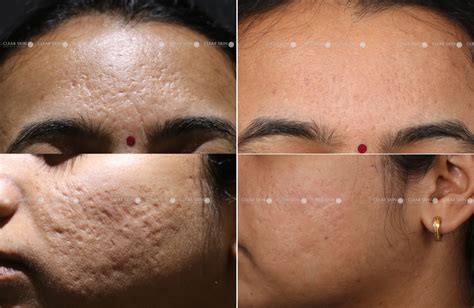
Microneedling works by breaking down scar tissue and stimulating collagen remodeling. Polynucleotides complement this by supporting the healing process and promoting the development of healthier tissue, leading to smoother skin texture.
Who Is This Treatment Suitable For?
The combination of microneedling and polynucleotides is ideal for individuals experiencing:
- Dull, dehydrated, or ageing skin.
- Concerns about fine lines or mild skin laxity.
- A desire to improve the appearance of acne scarring or uneven skin texture.
- A preference for natural, regenerative alternatives to traditional injectables.
- A goal of achieving gradual, long-term improvements rather than dramatic, immediate changes.
Individuals with certain skin infections, wounds, irritated skin, or conditions like active acne or rosacea may not be suitable candidates. Pregnant women are also advised against this treatment.
Expected Timeline and Results
This treatment is a process that unfolds over several weeks and months, rather than a quick fix. Immediate results may not be visible, and the skin might appear slightly worse before it improves due to the healing process. Initial improvements in skin texture and radiance may become apparent around weeks 3-4. A new phase of healing and regeneration occurs after the microneedling session (typically around week 6 of the protocol). Further improvements continue to develop between months 3-6 as collagen remodeling progresses. The cumulative results from this combined protocol can last anywhere from 6 to 12 months or longer, especially with consistent skincare practices and sun protection.
How Microneedling Improves Skin Firmness and Complexion (Collagen Induction Therapy)
Understanding the Science: Polynucleotides vs. Other Treatments
Polynucleotides vs. Botox
Botox is used to temporarily paralyze facial muscles to smooth wrinkles, while polynucleotides are regenerative agents that work on a cellular level to repair tissue, improve skin quality, hydration, elasticity, and texture. They address concerns like acne scars and fine lines by boosting overall skin health.
Polynucleotides vs. Microneedling
Both treatments aim for smoother, more resilient skin, but they function differently. Polynucleotides, derived from salmon DNA, are injected to stimulate collagen, improve hydration, and promote tissue repair. Microneedling uses controlled trauma from tiny needles to initiate collagen production, proving particularly effective for acne scarring, enlarged pores, and rough texture, while also enhancing topical product absorption. Polynucleotides are ideal for deep regeneration and hydration, whereas microneedling focuses on resurfacing the outer skin layer. Often, they are used together for a comprehensive approach.
Polynucleotides and Other Complementary Treatments
Polynucleotides can be effectively combined with laser and light treatments for an enhanced effect. They also pair well with hyaluronic acid skin boosters to further boost skin hydration.
Skincare and Aftercare Recommendations
Following the treatment, specific skincare products will be recommended based on your skin type. Generally, a gentle cleanser, a barrier-repair moisturizer, and robust sun protection are essential. It is crucial to follow aftercare instructions meticulously to avoid complications and ensure optimal healing. This may include keeping the treated area clear of certain products for a specified period.
tags: #polynucleotide #serum #for #microneedling