Understanding the utility and variety of powder puffs is crucial for achieving a flawless makeup finish. These tools offer distinct advantages over traditional brushes, particularly for setting foundation and controlling shine.
Benefits of Using a Powder Puff
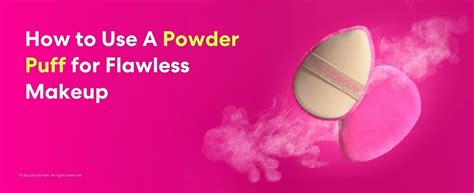
A powder puff offers several benefits to your beauty routine. According to makeup artist Tobi Henney, "A powder puff will press the powder into the skin and blur any shine and imperfections. It also helps with the longevity of the makeup." Makeup artist Kirin Bhatty agrees, stating, "A powder puff is great because it lets you apply product directly to the skin without any fallout that can occur with a brush. It’s also a great tool for setting makeup."
Powder Puffs vs. Makeup Brushes
While the differences between makeup brushes and powder puffs may seem minor, they can significantly impact your makeup's final appearance and ease of application. Bhatty explains, "[Brushes and powder puffs] serve different purposes-as puffs are able to pack on product and also absorb shine, while brushes are designed to diffuse while you apply." Henney adds, "You can be super targeted with using a powder puff and focus on small areas easily, like under the eyes and sides of the nose."
Choosing the Right Powder Puff
When selecting a powder puff, you'll encounter a variety of options. Consider the materials and textures that feel most comfortable on your skin. Additionally, think about how you intend to use the powder puff.
Material Preferences
Kirin Bhatty expresses a preference for velour: "I always prefer the kinds made of velour."
Shape and Application
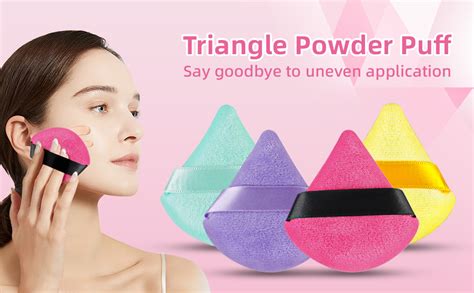
For undereye application, Bhatty recommends choosing a puff with a triangular point on one end. For shine control, a traditional round puff is effective. She also suggests rolling a round puff into a "taco shape" for precise application along the nose or any area requiring extra product. Bhatty also notes her preference for using an extra-large, round puff for bronzer and highlighter.
Editor's Tip
An editor's tip suggests, "Fold the puff in half for more size customization as you powder." This technique allows for greater control and adaptation to different facial contours.
Product Examples
Several types of powder puffs are available to suit various needs:
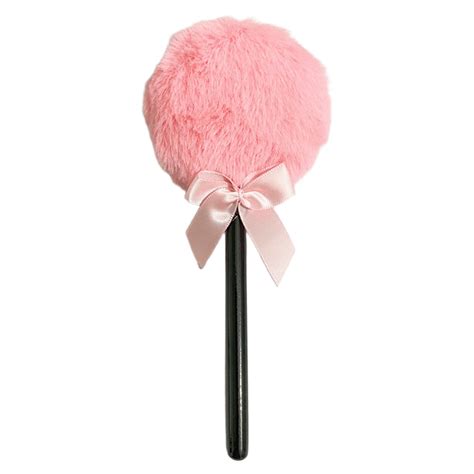
Lollipop Dusting Powder Puff Makeup Brush
This product features a long handle for comfortable grip and a soft cosmetic makeup puff designed for loose powder application. It is available in pink and additional options, boasting a cute design suitable for body powder makeup.
- Type: Long handle powder puff with brush-like design
- Best For: Loose body powders
- Features: Cute design, soft cosmetic puffs
Powder Puff Set (8 Pcs)
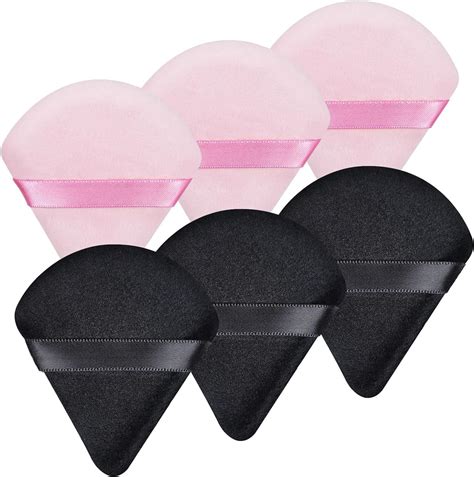
This set includes cotton triangle loose powder puffs, serving as cosmetic power puffs and foundation beauty sponges. They are suitable for dry makeup application.
- Quantity: 8 pieces
- Shape: Triangle
- Material: Cotton
- Use: Loose powder, foundation, dry makeup application
Triangle Puffs (8 Pack)
These triangle puffs come in an organizer and are designed for all types of makeup removal or application. They are described as super soft and feature a satin ribbon for finger hold.
- Quantity: 8 pieces
- Shape: Triangle
- Features: Super soft, satin ribbon finger hold, organizer
- Best For: Makeup removal or application
Meet the Experts
The insights provided in this guide come from experienced professionals in the beauty industry:
- Tobi Henney: A bi-coastal makeup artist with a celebrity clientele including Barbara Palvin and Emma Roberts.
- Kirin Bhatty: A bi-coastal makeup artist who has worked with celebrities such as Jenny Slate and Mckenna Grace.
Our Testing and Review Process
When reviewing makeup products, a comprehensive approach is taken, considering factors such as ingredients, shade inclusivity, suitability for sensitive skin, price point, and packaging sustainability. For the best powder puffs, the review process involved multiple editors, writers, contributors, and professional makeup artists. This diverse testing base ensured consideration across different skin tones, genders, and dermatological conditions. Products were evaluated based on four primary categories: materials, ease of use, value, and results.