Dry shampoo is a hair-saver between washes, but no bottle lasts forever. Whether you just ran out of your go-to or love two-in-one products, there’s a new dermatologist hack you’ve got to try. The trick-which comes courtesy of Manhattan dermatologist Hadley King, MD-involves using powder SPF as dry shampoo. If it sounds out there, hear us out: The sunscreen product offers the same oil-absorbing powers, but also has the added benefit of protecting your scalp from UV rays in the process. Plus, you can continue to use powder SPF over your makeup, giving you more mileage out of one product.
OK, but how does this work and why powder SPF? King and fellow dermatologists break it down.
Meet the Experts
- Hadley King, MD is a dermatologist in Manhattan.
- Gary Goldenberg, MD, is an assistant clinical professor of dermatology at Icahn School of Medicine.
- Joshua Zeichner, MD, is the director of cosmetic and clinical research at Mount Sinai Hospital in New York City.
Why Powder SPF is a Good Dry Shampoo Substitute
There are a few reasons for this. First, the powder formulation-a mix of pulverized minerals like zinc oxide and silicates-absorbs excess oil, so you get the advantage of dry shampoo as well as sun protection, King explains. And those UV-protecting benefits are important, says Gary Goldenberg, MD, an assistant clinical professor of dermatology at Icahn School of Medicine. Studies show that the scalp is a common site of skin cancer-and it can be a particular problem for those with fine or thinning hair. “Protecting the scalp skin with broad-spectrum sunscreen can lower that risk,” says Dr. Goldenberg.
Powder SPF may even perk up your hair beyond absorbing oil. “For some, these products can also add volume and texture by coating hair strands with fine powders, making hair appear fuller without sticky residue,” Dr. Goldenberg says.
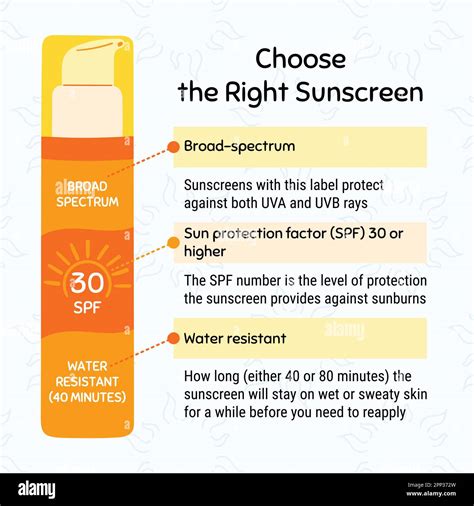
How to Use Powder SPF as Dry Shampoo
Dr. King recommends looking for either a translucent powder (her top choice) or a powder that matches your hair color. Then, apply powder to your part line, along with anywhere else you want to absorb oil. “I like to gently rub or massage the powder into the scalp with my fingertips so that it's not visible,” she says.
As with more standard sunscreen, you have to reapply throughout the day to get those sun protective benefits. “It is important to apply enough to the scalp and make sure to reapply,” says Joshua Zeichner, MD, director of cosmetic and clinical research at Mount Sinai Hospital in New York City.
Dermatologist-Recommended Powder SPFs
You can technically use any powder SPF for this, but dermatologists flagged these as good options to reach for:
Best For Heavy Sweaters
Brush On Block Mineral Powder Sunscreen SPF 50
This powder checks a lot of boxes: It features an easy twist-open tube, a high SPF value, two types of protection (titanium dioxide and zinc oxide), and a sheer, lightweight formula. The best part, though, is that it's water resistant for up to 80 minutes, meaning perspiration won't cramp your UV protection or hairstyle.
Best Protection From Pollution
Colorescience Brush-On Sunscreen Mineral Powder
Live in an urban environment? Then, this is the powder for you. It features patented EnviroScreen technology that not only protects against the sun's rays, but also shields scalp skin from pollution, blue light, and infrared radiation.
Best For Sensitive Scalps
Supergoop Mineral (Re)setting Powder SPF 35
You can choose from the translucent version or three adaptable shades for the best fit. Plus, this one is completely noncomedogenic and comes infused with skin-loving ingredients like ceramides and olive glycerides to nurture easily-irritated skin.
Easiest To Apply
Isdin Isdinceutics Mineral Facial Powder Brush
The fluffy brush featured here makes this a dream to apply. And the construction of the tube is a cinch to master: Just pop the top, push down the transparent cover, and sweep the formula anywhere you want to.
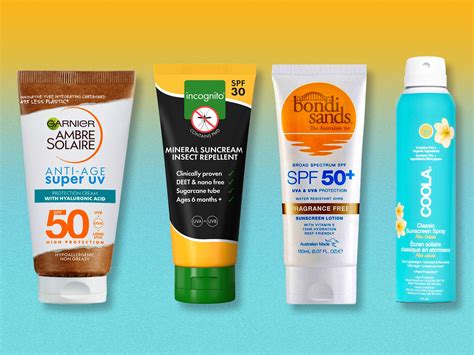
Understanding Powder Sunscreens
Powder sunscreens are sunscreen formulations that come in a powdered form. They’re designed to provide a convenient and lightweight alternative to traditional sunscreens. Powder sunscreens typically come in loose powder, pressed powder, or brush-on formats, allowing for precise application. They offer an easy way to incorporate sun protection into your skincare routine, providing a matte finish and minimizing the greasy or sticky feeling often associated with traditional sunscreens.
Are Powdered Sunscreens Effective?
Powdered sunscreens can be effective in providing sun protection when used properly. The effectiveness of powdered sunscreens primarily depends on factors such as the active ingredients, application technique, and coverage.
Ingredients
When choosing sunscreen, look for products that contain mineral-based ingredients such as zinc oxide or titanium dioxide. These ingredients act as physical blockers and work by reflecting and scattering UV rays away from your skin, providing effective protection against sun damage. Mineral-based ingredients are often preferred for their broad-spectrum coverage, as they can protect against both UVA and UVB rays. Additionally, mineral-based ingredients are generally considered gentle on your skin and are suitable for various skin types, including sensitive skin.
Advantages and Considerations
Powdered sunscreens offer several advantages, including convenience and ease of application. They come in a portable form and can be quickly applied, making them great for on-the-go use. Additionally, powdered sunscreens provide a matte finish, helping to reduce shine and oiliness on your skin-beneficial for those with oily or combination skin types. However, there are considerations to keep in mind. Powdered sunscreen must be evenly and adequately applied to all exposed areas of your skin, as the powder form can result in a thinner application compared to traditional cream or lotion sunscreens. Multiple layers or touch-ups throughout the day may be needed to ensure proper sun protection. The efficacy of powdered sunscreens can vary depending on the formulation and individual factors. It's essential to choose a high-quality product with a high SPF and broad-spectrum protection to safeguard against both UVA and UVB rays.
Precautions
Ultimately, powder and spray sunscreens are generally not recommended by some sources due to the potential inhalation of particles, which can be hazardous to your health. Research suggests caution in using powder and sprays sunscreens to minimize the risk of inhalation. Opt for other forms of sunscreen, such as lotions or creams, which have a lower risk of inhalation. Safety should always be a top priority when selecting sun protection products, and following the guidance of healthcare professionals and dermatology providers is recommended.
How To Apply Sunscreen To Your Scalp-Easy Tutorial
Using Sunscreen Properly
The proper use of sunscreen is essential for effective sun protection. Here are some key points to keep in mind:
- Choose Zinc and Titanium-Based Sunscreens: Zinc oxide and titanium dioxide-based sunscreens are considered safer and more effective according to some expert recommendations. Look for sunscreens containing these ingredients for reliable sun protection.
- Avoid Powder and Spray Sunscreens (with caution): Some sources advise avoiding powder and spray sunscreens due to the risk of inhalation of particles. Opt for other forms of sunscreen, such as lotions or creams, to minimize this risk.
- Regularly Reapply Sunscreen: Sunscreen should be reapplied every two hours, or more frequently if sweating, towel-drying, bathing, or swimming occurs. Under-application and failure to reapply are common reasons for sunscreen failure, so ensure you’re using an adequate amount and reapplying as needed.
- Apply a Sufficient Amount: The Food and Drug Administration (FDA) recommends applying an ounce (approximately a shot glass full) of sunscreen on your body to maximize its benefits. This ensures adequate coverage and protection for your skin.
Guarding Your Skin Against the Sun
Taking measures to guard your skin from the sun is crucial for maintaining its health. In addition to using sunscreen, the following tips should also be followed:
- Reduce the risk of sun damage by seeking shade under an umbrella, tree, or shelter when the sun's rays are strongest.
- Opt for long-sleeved shirts, long pants, and skirts made from tightly woven fabric to provide UV protection to your skin.
- Protect your face, ears, and neck by wearing a hat with a wide brim. Choose hats made from tightly woven fabric and avoid straw hats, as they may not provide sufficient sun protection.
- Safeguard your eyes and the delicate skin around them by wearing sunglasses that block UVA and UVB rays.
- Apply a broad-spectrum sunscreen with an SPF of 30 or higher to all exposed skin. Reapply sunscreen every two hours, especially after swimming, sweating, or towel drying. Apply a thick layer each time for better protection.
- Look to avoid sun exposure between 10 am and 3 pm when UV radiation is highest. During these peak sun hours, utilizing sun protection measures like umbrellas and sun-protective clothing is recommended.
By following these tips and incorporating them into your routine, you can minimize the risk of sun damage and maintain healthier skin.
Key Benefits of Powder Sunscreen
Powder sunscreen products are a type of sun protection that comes in a powdered form. These products are similar to loose makeup powder or mineral makeup. They are designed to provide sun protection by creating a barrier on the skin’s surface, helping to block or absorb the sun’s harmful ultraviolet (UV) rays.
Ease of Application
Powder sunscreens are often easier to apply compared to traditional liquid or lotion sunscreens.
Non-Greasy Feel
Many people prefer powder sunscreens because they tend to feel less greasy or oily on the skin.
Minimal Chemical Absorption
Some users prefer powder sunscreens because they often contain fewer chemical additives. Physical UV blockers, like zinc oxide and titanium dioxide, sit on the skin’s surface.
Targeted Coverage
Easy to apply to tricky areas like the scalp, part-line, and ears.
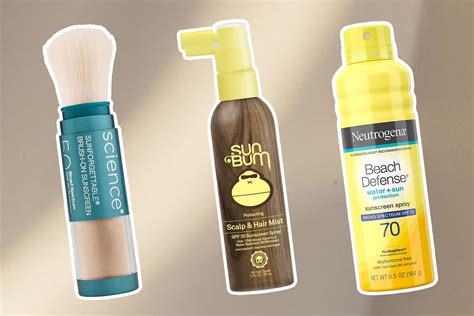
How Often Should You Reapply Powder Sunscreen?
Reapplying sunscreen is essential for maintaining effective protection throughout the day, and powder sunscreen makes this process quick and hassle-free. Powder sunscreen shines in specific scenarios where convenience and quick application are key. Its lightweight, portable nature makes it a versatile choice for different situations:
- On-The-Go: Compact and portable, this powder is perfect for busy days when you need quick, no-mess reapplication. Whether you're commuting, running errands, or heading to a lunch meeting, its lightweight formula makes it easy to apply without interrupting your routine.
- Sports: Designed to keep your grip dry, this powder sunscreen is ideal for activities like tennis or golf-where sweat and slippery hands can be a concern. Unlike liquid sunscreens that can feel greasy or sticky, the powder format helps absorb moisture, keeping your hands and face comfortable.
- Kids: A fast and easy option for little ones who can’t sit still for long applications, powder sunscreen makes sun protection stress-free. No more struggling with wiggly toddlers or dealing with messy creams-just a few quick swipes, and they’re ready to play.
- On The Beach: With water- and sweat-resistant properties lasting up to 40 minutes, powder sunscreen lets you enjoy the sun worry-free. Unlike lotions that can feel heavy or sticky in humid conditions, the lightweight texture sits comfortably on the skin. Be sure to reapply after swimming, sweating, or towel-drying to maintain full coverage.
- Travel-Friendly: TSA-approved for carry-on luggage, this powder sunscreen is a great companion for trips. Unlike liquid sunscreen, which can be subject to volume restrictions, powders easily fit into your bag without the hassle of security checks. Their compact, spill-proof packaging makes them perfect for flights, road trips, or quick weekend getaways so you always have sun protection within reach.
- Reapplication: Powder sunscreen makes it easy to refresh your sun protection throughout the day without the mess of traditional lotions. Whether you’re outdoors, on the go, or in between activities, a quick touch-up ensures your skin stays protected from harmful UV rays. It’s particularly useful for setting makeup, absorbing excess oil, and preventing that midday shine while keeping your SPF coverage intact.
- At Your Desk: Some powder sunscreens also provide blue-light protection from computer screens, making them useful indoors as well. With more people spending long hours in front of digital devices, adding a layer of defense against potential skin damage from blue light exposure can be beneficial.
Most Commonly Asked Powder Sunscreen Questions
-
Is Powder Sunscreen Safe For Sensitive Skin?
Yes, powder sunscreen is safe for sensitive skin because it is often formulated with gentle, mineral-based ingredients like zinc oxide or titanium dioxide, making it suitable for sensitive skin. Its lightweight and non-irritating properties make it a great option for those prone to redness or reactions from traditional chemical sunscreens.
-
Can Powder Sunscreen Be Used Over Makeup?
Absolutely! Powder sunscreen is specifically designed to be applied over makeup without smudging or disrupting your look.
-
Does Powder Sunscreen Protect Against Blue Light?
Many powder sunscreens offer blue light protection, making them a great choice for indoor use, especially if you spend a lot of time in front of screens. Always check the product label to confirm this feature.
-
Can You Use Powder Sunscreen on the Scalp?
Yes, powder sunscreen is perfect for the scalp and part-line, where traditional sunscreen can feel greasy or be difficult to apply. Simply dust it along your hairline or part for quick protection.
-
Is Powder Sunscreen Travel-Friendly?
Absolutely! Powder sunscreen is TSA-approved for carry-on luggage, spill-proof, and compact, making it an ideal travel companion.
The Importance of Scalp Protection
When it comes to sun protection, one of the often overlooked areas is the scalp. This area is particularly vulnerable to UV damage, leading to a higher incidence of skin malignancies, including squamous cell carcinoma (SCC). Studies indicate that the scalp and neck are among the most affected areas for skin cancers, with scalp tumors showing a significant increase in recent years.
One of the critical benefits of powdered sunscreen is its ability to protect the scalp. The scalp, often exposed to direct sunlight, is highly susceptible to skin cancer. Powdered sunscreen provides a convenient and effective solution for protecting this sensitive area without the greasiness associated with traditional sunscreens.
Powder Sunscreen for Men
Powder sunscreen products work for men while not clogging hair follicles. Just like our skin, our hair should not be neglected either. UVA/UVB rays can damage perfectly healthy hair. Mix those rays with chlorine, salt water, and summer heat, and it’s a recipe for disaster. The sun’s rays can leave hair dry, brittle, and discolored. If you have color-treated hair, the sun’s rays fade color fast.
Powder sunscreen products and sun protection will prevent the need to correct sun damage. Chlorine can strip the hair of its natural oils, making it dry, brittle, and prone to breakage.
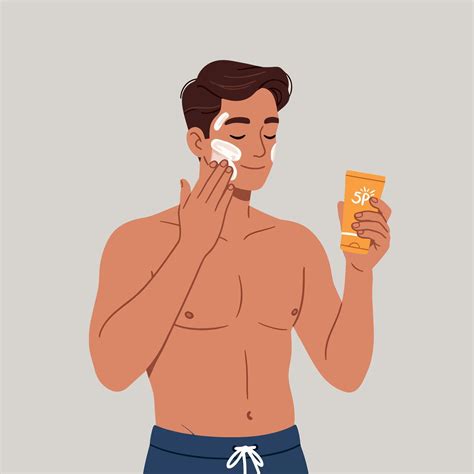
Powder Sunscreen vs. Traditional Sunscreen
While powder sunscreen isn’t as powerful at protecting your skin from harmful UV rays as traditional sunscreens, it can be used as a touch-up throughout the day. Generally, powder sunscreen comes in SPF 30, not much higher.
Key Differences:
- Application: Powder sunscreen is applied with a brush, while traditional sunscreens are lotions, creams, sprays, or sticks.
- Coverage: Traditional sunscreens are recommended to be applied in a sufficient amount (about an ounce for the body) for adequate protection. Powder sunscreen may not be applied in sufficient quantities to provide the same level of protection on its own.
- Use: Powder sunscreen is best used as a touch-up or an additive product over traditional sunscreen.
- Finish: Powder sunscreen offers a matte finish, which can be beneficial for oily skin and for setting makeup.
Ultimately, the choice between using powder sunscreen or traditional sunscreen depends on your preferences, skin type, and the specific situation in which you plan to use it. For adequate sun protection, it’s recommended to use a traditional sunscreen as your primary form of defense and powder sunscreen for touch-ups.