Understanding the components of skincare products is crucial for making informed choices about your routine. This article delves into the benefits and ingredients found in formulations like Procollagen Vital Essence, providing a detailed look at what makes these products work.
Key Ingredients and Their Functions
Skincare formulations often feature a blend of ingredients, each serving specific purposes. Let's explore some of the common and beneficial components:
Humectants and Emollients
Glycerin is a fundamental ingredient in many skincare products, known for its ability to attract water to the skin. Butylene Glycol (BG) is another versatile ingredient, serving as a solvent, penetration enhancer, slip agent, and humectant. It is approved by Ecocert and widely used in natural products, providing a pleasant feel to the formula and helping to stabilize other ingredients like perfumes.
Propanediol is presented as a natural alternative to propylene glycol, offering humectant and emollient properties. It contributes to a soft and pleasant feel on the skin and can act as a solvent.
Panthenol, also known as pro-vitamin B5, is a humectant that moisturizes the skin by attracting and retaining water. It also possesses anti-inflammatory and skin-protecting abilities, potentially reducing irritation caused by other ingredients. Its benefits extend to hair and nail care.
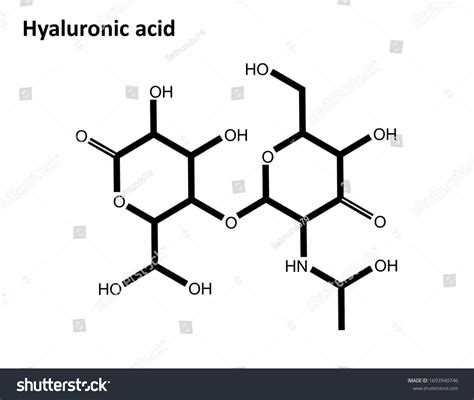
Sodium Hyaluronate and Hyaluronic Acid (HA) are well-known for their exceptional moisturizing capabilities. HA is a large polymer found naturally in the skin that acts like a sponge, helping the skin retain water and maintain plumpness and elasticity. Sodium hyaluronate is often used interchangeably with hyaluronic acid, and while sometimes considered to have better skin penetration due to a smaller molecular size, both forms are highly effective humectants.
Hydrolyzed Hyaluronic Acid is a lower molecular weight version of HA, created by chemically breaking down the larger molecule. This form is believed to penetrate the skin more effectively, offering deep and long-lasting moisturization. Different molecular weights of hydrolyzed HA may offer varying benefits, including potential assistance in skin repair and enhanced self-defense mechanisms.
Sodium Acetylated Hyaluronate is a variation of hyaluronic acid where acetyl groups are added. These groups improve the molecule's affinity for the skin, allowing it to bind better and remain on the surface longer, providing sustained surface hydration and improved elasticity.
Structural Proteins and Peptides
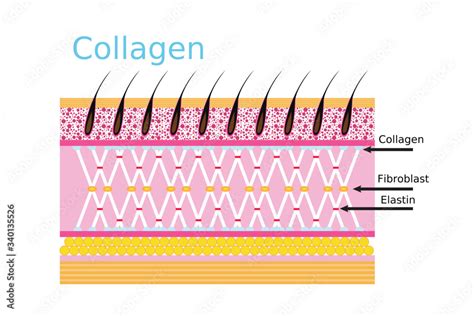
Collagen is a major structural protein in animals, forming the framework of cells and tissues. It is composed primarily of amino acids like glycine, proline, and hydroxyproline, arranged in a triple-helix structure. Collagen is found in connective tissue, skin, tendons, bones, and cartilage, providing structural support and playing roles in tissue repair, immune response, cellular communication, and migration.
As people age, collagen production slows, and existing collagen fragments, leading to signs of aging like sagging skin and wrinkles. The body naturally produces collagen, and it can also be obtained through dietary sources and supplements.
Hydrolyzed Collagen is a chemically broken-down version of collagen, resulting in a mixture of peptides (shorter chains of amino acids). These peptides act as water-binding agents and can provide a smooth feel to the skin. They are effective humectants and moisturizers.
Soluble Collagen refers to the large, natural collagen molecules typically extracted from animal sources like fish or bovine skin. While collagen is a potent humectant due to its water-binding capacity, its large molecular size prevents it from penetrating the deeper layers of the skin where native collagen resides. Therefore, topical collagen primarily functions as a moisturizer.
Amino Acids are the building blocks of proteins, including collagen. They are natural moisturizing factors (NMFs) found in the skin that help maintain hydration. Due to their small molecular weight, amino acids can penetrate the upper layers of the skin, aiding moisture retention and enhancing suppleness and flexibility.
How do you Build Collagen in the Skin | 3D Graphic | Ensoul Medical Clinic
Vitamins and Antioxidants
Ascorbyl Glucoside is a stable and easily formulated derivative of Vitamin C. It aims to provide the antioxidant protection, collagen-boosting, and skin-lightening benefits of pure Vitamin C without its formulation challenges. In vitro studies suggest it can penetrate the skin and convert to pure Vitamin C, though the rate of conversion and extent of benefits are still areas of research.
Other Beneficial Ingredients
Ethylhexylglycerin is often found alongside preservatives like phenoxyethanol and can act as a preservative booster and skin-conditioning agent.
Adenosine is an important compound in the body with a vital cell-signalling role.
Polyquaternium-51 is a biocompatible copolymer that acts as a good skin moisturizer, leaving a silky, smooth feel and helping to reduce irritation.
EDTA (Disodium EDTA) is a common ingredient that helps stabilize formulations by neutralizing metal ions, preventing undesirable changes in the product.
Cellulose Gum is a thickening agent derived from cellulose, a major component of plant cell walls. It helps create gel formulas with a pleasant, non-tacky feel.
Panthenol (Pro-Vitamin B5) is highlighted for its moisturizing, anti-inflammatory, skin-protecting, and wound-healing properties.
Fragrance is added to cosmetic products to provide a pleasant scent. However, it is noted as a common cause of contact allergies and is often best avoided by individuals with sensitive skin, as both natural and synthetic fragrances can be problematic.
Water (Aqua), purified and deionized, is the most common skincare ingredient and serves as the primary solvent in many cosmetic products. It also helps to adjust the pH of formulations.
A glycerin-derived gentle cleansing agent is described as skin and eye-friendly, without causing dryness or tightness.
Benefits of Collagen and Related Ingredients
Skin Health
Collagen supplements are popular for addressing signs of aging such as wrinkles, loss of skin hydration, and reduced elasticity. Studies suggest that taking hydrolyzed collagen supplements can improve skin hydration, elasticity, and reduce the appearance of wrinkles compared to placebo treatments. While many studies show positive results, it's important to note that some were funded by collagen product manufacturers.
Bone Health
Research indicates that collagen supplements may offer benefits for bone health. One study found that postmenopausal individuals taking collagen peptides experienced significant increases in bone mineral density (BMD) in their spine and femur. Long-term supplementation appeared to be associated with progressive increases in BMD, suggesting a potential benefit for those at risk of osteopenia and osteoporosis, though more research is needed.
Joint Health
Oral collagen supplements may help improve function and reduce pain in individuals with osteoarthritis (OA). Meta-analyses and clinical trials have shown improvements in function and pain scores among those taking oral collagen supplements compared to control groups. Collagen supplementation may also benefit healthy individuals who exercise and those with joint pain, although more rigorously designed studies are required.
Considerations and Safety
Collagen Supplements vs. Protein Intake
It's important to note that sufficient collagen production and bone health can be supported through a balanced diet rich in protein, vitamin C, vitamin D, and zinc, rather than solely relying on collagen supplements. Consuming adequate protein, particularly from sources like poultry, fish, beans, and eggs, is crucial for maintaining muscle and bone health. Researchers recommend consuming more than 0.36 grams of protein per pound (0.8 grams per kg) of body weight, with some individuals benefiting from even higher intakes.
Lifestyle Factors Affecting Collagen
While age-related collagen loss is inevitable, certain lifestyle factors can accelerate this process. Smoking, excessive alcohol consumption, a diet high in added sugar and ultra-processed foods, and excessive sun exposure can degrade collagen production and contribute to premature skin aging. Conversely, a healthy lifestyle that includes a nutrient-dense diet, avoiding smoking and heavy alcohol use, and protecting the skin from the sun can help delay age-associated changes in collagen.
Foods high in advanced glycation end products (AGEs), such as processed meats, fried foods, and roasted/grilled meats, can stiffen collagen and inactivate repair proteins. A diet rich in high-quality protein and plant foods like fruits and vegetables, which contain collagen-supportive nutrients, may help protect collagen stores.
Safety and Interactions
Collagen supplements generally have a good safety profile with few reported adverse side effects when taken alone. However, supplements often contain additional ingredients, such as herbal extracts or high doses of vitamins, which may pose risks or interact with medications. It is crucial to read labels carefully and consult a healthcare professional, especially if you are taking prescription medications such as blood thinners or beta-blockers, as potential interactions exist. Some supplements may also contain high levels of nutrients like biotin, which can interfere with certain laboratory tests.
Individuals with food allergies (e.g., fish or shellfish) should check product labels. Vegetarians, vegans, and those following Kosher or Halal diets may choose to avoid collagen supplements as they are derived from animal sources.
It can be challenging to determine the source and purity of collagen in supplements, as many do not clearly identify their origin or undergo third-party testing for sourcing, purity, and additional ingredients.
tags: #procollagen #vital #essence #collagen