Living in areas with changing weather, like the Gulf Coast, often means enjoying long sunny days and ample time outdoors. However, if your lips frequently feel dry, flaky, or painful, you are not alone. Many people experience chronically dry or cracked lips, a condition known as cheilitis. This occurs when the thin, delicate skin on the lips becomes dry, irritated, and inflamed, making them highly susceptible to damage from sun, wind, heat, and various irritants.
Common Causes of Chapped Lips
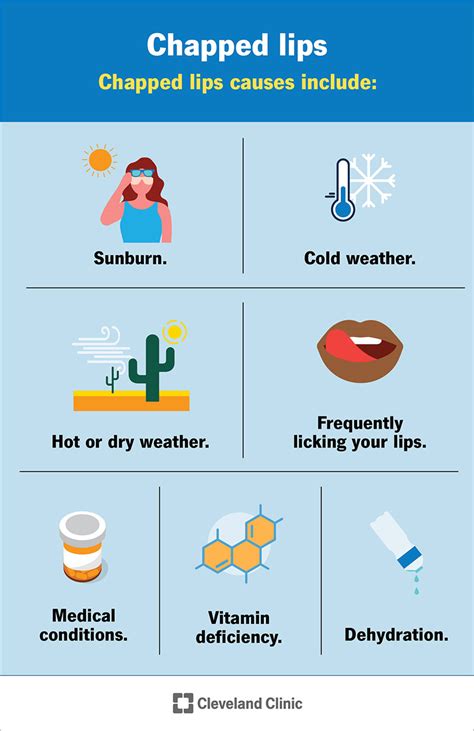
Several factors can contribute to the development of chapped lips:
Dehydration
One of the most commonly overlooked causes of chapped lips is not drinking enough water. When your body is dehydrated, it prioritizes moisture for essential functions, often drawing it away from the skin and lips first.
Lip Licking
Many individuals tend to lick their lips when they feel dry. However, this habit exacerbates the problem. Saliva evaporates quickly, stripping away the natural moisture from the lip surface and leaving them even drier.
Environmental Factors
Exposure to harsh environmental conditions plays a significant role. Factors such as:
- Weather Changes: Cold, dry air, especially during winter months, and low humidity can significantly dry out the lips.
- Sun Exposure: Frequent sun exposure, even in cooler weather, can damage the sensitive skin on the lips due to UV rays.
- Wind: Prolonged exposure to wind can strip moisture from the lips.
Irritants and Allergies
Certain products and substances can irritate the lips or trigger allergic reactions, leading to chapped lips. These may include:
- Ingredients in lip products (fragrances, flavors, certain waxes).
- Toothpaste ingredients.
- Certain foods.
- Some medications and supplements, such as retinoids, lithium, and chemotherapy drugs.
If your lips burn, tingle, or become red after using a product, it may be an irritant or allergen.
Mouth Breathing
Breathing through your mouth, particularly during sleep, can quickly dry out the lips. The continuous flow of air over the lips pulls away moisture.
Medical Conditions
In some cases, persistent chapped lips can be linked to underlying medical conditions, including:
- Thyroid disorders.
- Vitamin deficiencies (e.g., deficiencies in vitamins A, C, D, and B complex).
- Autoimmune diseases.
- Infections.
- Allergies.
- Certain skin conditions like eczema or psoriasis.
In rare instances, persistent chapped lips can be an early sign of precancerous changes.
Other Factors
- Exercise: Excess sweat and dehydration during physical activity can worsen dry lips.
- Diet: Malnutrition and deficiencies in essential vitamins can contribute to lip dryness.
- Habits: Picking or biting at peeling skin can cause deeper cracks, bleeding, and increase the risk of infection.
Understanding Cheilitis
While chapped lips are a common issue, a more severe form is known as cheilitis. This condition is characterized by cracked skin, often at the corners of the mouth, and can involve multiple cracks on the lips. Cheilitis can be caused by infections, inflammatory diseases (like Crohn's disease), excessive saliva production, or dental trauma. Individuals with orthodontic braces, dentures, or those who use pacifiers are also susceptible.
Symptoms of cheilitis may include lips that are dark pink or red, have a lumpy texture, develop ulcers, or have white plaques on the surface.
How to Get Rid of Chapped Lips: Effective Remedies
Fortunately, chapped lips can often be treated effectively with home remedies and lifestyle adjustments. If symptoms are severe or persistent, consulting a healthcare professional or dermatologist is recommended.
Lifestyle Changes for Chapped Lips
- Stay Hydrated: Drink plenty of fluids throughout the day to keep your body, and consequently your skin and lips, adequately moisturized.
- Avoid Licking Your Lips: Resist the urge to wet your lips with your tongue. While it offers temporary relief, saliva evaporates quickly and dries the lips further.
- Do Not Pick or Bite Peeling Skin: This habit can worsen cracks, lead to bleeding, and increase the risk of infection.
- Use a Humidifier: Especially during dry winter months, a humidifier can add moisture to the air in your room, helping to protect your lips from drying out.
Choosing and Using Lip Balm
Applying a moisturizing lip balm is crucial for healing and prevention. Opt for balms with hydrating ingredients such as:
- Petrolatum
- Shea butter
- Ceramides
- Beeswax
- Natural oils (e.g., mineral oil, castor seed oil, coconut oil)
For daytime use, especially when outdoors, choose a lip balm with a Sun Protection Factor (SPF) of 15 or higher to shield your lips from harmful UV rays. This can help protect your lips from the effects of the sun and prevent further damage.
Avoid lip balms containing potential irritants like fragrances, flavorings, lanolin, menthol, eucalyptus, camphor, or certain waxes, as these can worsen chapped lips. If a lip balm causes stinging, burning, or tingling, discontinue its use.
Application Frequency: Apply lip balm or ointment as needed throughout the day, especially after eating, drinking, or wiping your lips. Using a thicker ointment at night can help keep your lips hydrated while you sleep. Reapply lip balm with SPF every two hours when outdoors.

Gentle Exfoliation
Exfoliation helps remove dead skin cells, promoting smoother, healthier lips. You can use a gentle sugar scrub (a mixture of sugar and honey or oil) or a soft toothbrush to exfoliate your lips. Limit exfoliation to once a week, as the skin on the lips is very sensitive. If you experience any stinging or discomfort, stop the exfoliation process.
Specific Treatments
Neosporin Lip Health products, such as the Overnight Renewal Therapy, are specifically formulated for lip care and are clinically proven to restore visibly healthier lips. These products often contain a combination of antioxidants, essential lipids, vitamins, and moisturizers designed to repair and nourish lips overnight.
When to See a Doctor
While most cases of chapped lips improve with self-care, it's important to seek professional advice if:
- Chapped lips do not improve with home treatment after two to three weeks.
- You experience severe cracking, bleeding, or signs of infection (swelling, pus).
- You suspect an underlying medical condition, allergy, or vitamin deficiency.
A dermatologist can accurately diagnose the cause of your chapped lips and recommend appropriate treatment, especially if cheilitis is suspected.