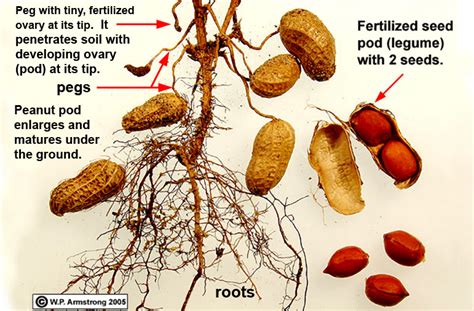
Peanuts, often mistakenly classified as nuts, are botanically classified as legumes, specifically the edible seeds of an annual shrubby plant known as Arachis hypogaea. They are closely related to soy, shelling beans, and lentils. Peanuts have a unique growth pattern called geocarpy, where their pods ripen underground, allowing them to absorb minerals directly from the soil and contributing to their sustainability by requiring less water and returning nitrogen to the soil.
Peanuts are believed to be native to South America, with archaeological evidence suggesting their use in regions like present-day Brazil and Peru for over 3,500 years, including in mummification rituals and as a food source. Spanish explorers encountered these nuts in the early 16th century and introduced them to Spain, from where they spread through Asia and Africa. In the United States, peanuts were introduced by enslaved people arriving from Africa. They thrived in the Southern states and gained importance during the Civil War as a cheap and nutritious food for soldiers. Peanut butter emerged as a household staple in the early 20th century, and Spanish peanuts became popular in candy confections, with early examples like Goo Goo Clusters appearing in 1913, followed by iconic treats like Reese's Peanut Butter Cups and Snickers bars around 1930.
Major Peanut Varieties
Several varieties of peanuts are grown commercially worldwide, each with distinct characteristics and uses. Among these, the Spanish peanut is particularly noteworthy for its red skin.
Runner Peanuts
Runner peanuts are the most widely consumed variety, known for their delicious flavor, excellent roasting characteristics, and high yields. These medium-sized peanuts are an ideal choice for producing peanut butter.
Spanish Peanuts
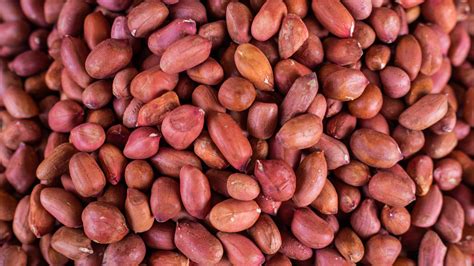
Spanish peanuts are easily identified by their smaller kernels and distinctive reddish-brown skin. They possess a high oil content, making them an excellent choice for oil extraction. This variety is primarily used in peanut candies, snacks, and peanut butter. Spanish peanuts are typically small, measuring approximately 0.5 to 1 centimeter in diameter, with a plump, round to ovate shape. Their thin, red-brown skin is brittle and crumbles easily, revealing beige kernels with a smooth, firm, and dense texture. Spanish peanuts have a robust nutty flavor and inherent sweetness, making them popular in both sweet and savory applications, particularly in confections, nut mixes, and peanut butter. They can also be enjoyed as a protein-packed snack or added to granola and protein bars. For storage, Spanish peanuts should be kept in an airtight container away from heat and light to prevent the oil from spoiling.
Valencia Peanuts
Valencia peanuts are characterized by their sweet flavor and bright red skin. They typically contain three or more kernels within a longer shell. These peanuts are most often served roasted, either in-shell or boiled.
Virginia Peanuts
Often referred to as "cocktail nuts," Virginia peanuts are known for their large kernels. Their size makes them highly suitable for processing, especially for salting, confections, and in-shell roasting.
The Significance of Red Skin Peanuts
Red skin peanuts, often referring to the Spanish variety, are more than just a snack; they are a nutritional powerhouse. Unlike some other peanut types, red skin peanuts retain their natural skin, which offers significant health benefits and a unique flavor profile.
Nutritional Advantages of the Skin
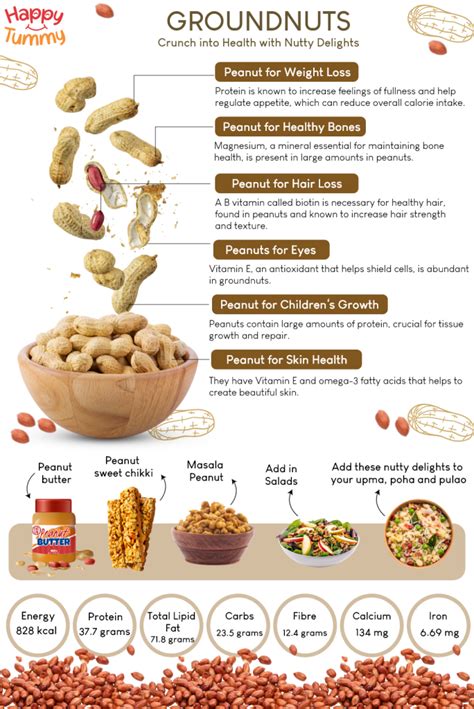
The thin red skin is rich in antioxidants, including resveratrol, which is known to support heart health, combat inflammation, and potentially offer protection against certain cancers. The antioxidant content in peanut skins can even surpass that found in green tea or red wine. Additionally, the skins are a good source of monounsaturated fats, fiber, and essential fatty acids that contribute to brain health, blood pressure regulation, and digestive aid. The natural pigments, anthocyanins (a type of flavonoid), not only give the skins their color but may also promote longevity. Redskin peanuts are also an excellent source of vitamins B1, B2 (riboflavin), B3, B6, B9 (folate), and E, all contributing to overall wellness. Peanuts are also one of the richest sources of biotin, an enzyme that aids in the breakdown of fats and carbohydrates.
Taste and Texture
Beyond their health benefits, the skins of redskin peanuts add a unique crunch and a robust, earthy flavor that distinguishes them from other varieties. This results in a snack with enhanced character and depth, suitable for eating by the handful, incorporating into recipes, or using for homemade peanut butter.
Peanut Cultivation and Consumption in the US
Peanuts are a staple crop in the United States, with Texas and Oklahoma being prominent producers of Spanish peanuts. Texas holds the distinction of being the only state to grow all four major peanut varieties and organic peanuts, and it ranks as the fourth-largest peanut-growing state nationally.
The consumption of peanuts and peanut products in the U.S. is substantial. For instance, it's estimated that the average American child consumes approximately 1,500 peanut butter sandwiches by the time they graduate from high school. The sheer volume of peanut butter consumed is staggering; one estimate suggests that the amount of peanut butter consumed in a year could coat the floor of the Grand Canyon.
Nutritional Information (Example: Planters Redskin Spanish Peanuts)
Promotional materials for Planters Redskin Spanish Peanuts highlight their bold, naturally hearty flavor. A typical serving of peanut butter provides significant nutritional value:
| Nutrition Facts | Amount Per Serving | % Daily Value* |
|---|---|---|
| Calories | 160 | |
| Total Fat | 14g | 18% |
| Saturated Fat | 2g | 10% |
| Trans Fat | 0g | |
| Cholesterol | 0mg | 0% |
| Sodium | 115mg | 5% |
| Total Carbohydrate | 4g | 2% |
| Dietary Fiber | 3g | 9% |
| Total Sugars | 1g | |
| Includes 0g added sugars | ||
| Protein | 7g | 8% |
| Calcium | 30mg | |
| Magnesium | 0mg | |
| Manganese | 0mg | |
| Niacin | 0mg |
* The % Daily Value (DV) tells you how much a nutrient in a serving of food contributes to a daily diet. 2,000 calories a day is used for general nutrition advice. Promotions, product information, and packaging are subject to change.
5 Reasons to Eat Peanuts
Where to Find and Purchase Red Skin Peanuts
Companies like Uren have been leading suppliers of red skin peanuts and roasted peanuts for nearly a decade, sourcing quality nuts globally. They offer standard packaging options in tote sacks (big bags) of 950kg, 1,000kg, and 1,250kg, with a minimum order quantity of one pallet (1,250kg) due to UK stockholding.
Aunt Ruby's Peanuts, located in Halifax County, North Carolina, specializes in redskin peanuts, particularly traditional Spanish peanuts roasted in their original skins. These are available in convenient 20oz or 40oz tins, or a case of 12oz tins. The family-operated business caters to customers seeking gourmet snacks and gifts, with options for online ordering and direct shipping. Consumers can also contact them by phone for inquiries or to place orders. They offer a variety of products, including salted and unsalted roasted cocktail peanuts, cashews, and chocolate nuts.
The availability of these traditional snacks has brought back fond memories for some consumers, who recall Planters Peanut Shoppes from their childhood. Discovering brands like Aunt Ruby's Peanuts has allowed individuals to reconnect with these nostalgic flavors.