Face oils can be a valuable addition to any skincare routine, even for those with oily skin. For individuals with oily skin, it is recommended to opt for oils with a lighter texture and consistency. While mixing oils with moisturizers is possible, applying face oils before your moisturizer is recommended to maximize their benefits.
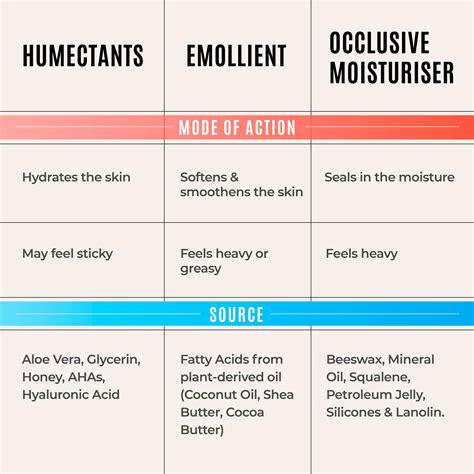
Face oils and moisturizers serve different, albeit complementary, functions. While some may share similar ingredients, one should not entirely replace the other. Face oils are best used as an enhancement to moisturizers, providing an extra boost of hydration rather than substituting for a moisturizer. Both work to hydrate the skin, but through distinct mechanisms. Moisturizers typically contain humectants that draw water to the skin and emollients that help retain it. Face oils, acting primarily as emollients, can be used in conjunction with moisturizers to further seal in hydration.
The concern that oils may cause breakouts is largely unfounded. Many oils, including those tested by The Ordinary, have been found to be non-comedogenic. However, individual skin reactions can vary, making a patch test advisable before incorporating any new skincare formulation.
Understanding Rosehip Oil
Rosehip oil, also known as rosehip seed oil, has a rich history as a therapeutic remedy and beauty product. It is derived from the seeds and fruit of the Rosa canina rose bush, primarily grown in Chile. Unlike rose oil, which is extracted from petals, rosehip oil is pressed from the plant's fruit and seeds. This oil is abundant in vitamins, antioxidants, and essential fatty acids, making it highly beneficial for nourishing and hydrating the skin. It is also recognized for its potential to reduce the visible signs of aging and improve the appearance of scarring.
Prized since ancient times for its healing properties, rosehip oil is packed with skin-nourishing vitamins and essential fatty acids. It also contains phenols that exhibit antiviral, antibacterial, and antifungal properties. Rosehip oil is frequently used as a carrier oil for essential oils that are too potent for direct application to the skin.

Key Benefits of Rosehip Oil for Skin
1. Enhanced Hydration
Hydration is crucial for maintaining soft, supple skin, especially during extreme weather conditions or as skin ages. Rosehip oil is rich in essential fatty acids, such as linoleic and linolenic acid, which help maintain the strength of cell walls, preventing water loss. These fatty acids make rosehip oil an excellent choice for hydrating dry, itchy skin. The oil is easily absorbed, allowing its beneficial antioxidants to penetrate deep into the skin's layers.
2. Moisturizing Properties
Moisturizing helps to lock in the skin's natural hydration and any applied products. Research, including a 2015 study using rosehip powder, suggests that rosehips possess anti-aging properties, including the ability to keep skin moisturized. Participants in the study who consumed rosehip powder orally reported noticeable improvements in their skin's moisture levels. Similar benefits may be achieved through topical application of rosehip oil. Its classification as a dry, or nongreasy, oil makes it a suitable natural moisturizer for all skin types.
3. Natural Exfoliation and Skin Renewal
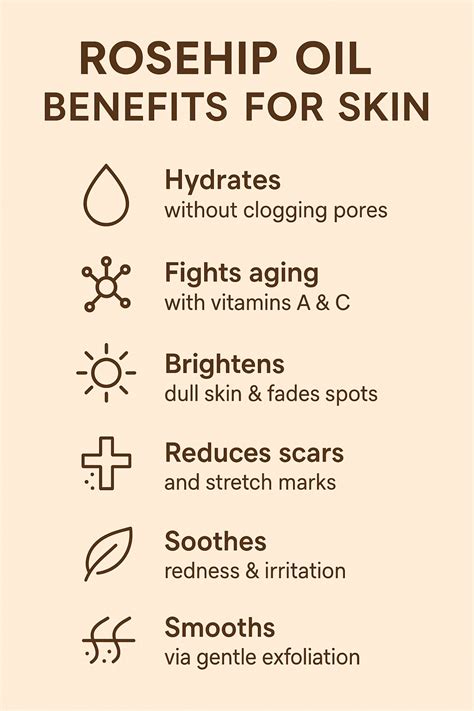
Natural exfoliation with rosehip oil can help diminish dullness, revealing a more radiant and vibrant complexion. The vitamin A, or retinol, present in rosehip oil promotes skin cell turnover.
4. Collagen Production and Skin Elasticity
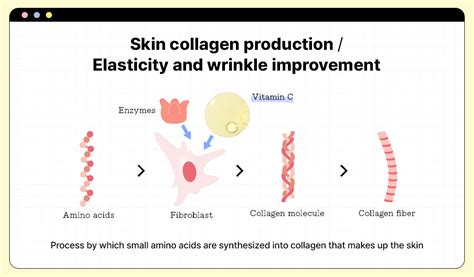
Collagen is a fundamental building block of the skin, essential for elasticity and firmness. The body's natural collagen production decreases with age. Rosehip oil is rich in vitamin A, which is vital for collagen synthesis. Furthermore, rosehip has demonstrated the ability to inhibit the production of MMP-1, an enzyme responsible for collagen breakdown. Scientific studies support these benefits, with a 2015 study showing that oral consumption of rosehip powder led to a noticeable increase in skin elasticity.
5. Anti-inflammatory Effects
Rosehip is abundant in polyphenols and anthocyanin, which may help reduce inflammation. It also contains vitamin E, an antioxidant known for its anti-inflammatory properties. Consequently, rosehip oil can be beneficial in calming irritation associated with conditions such as rosacea, psoriasis, eczema, and dermatitis.
6. Combating Sun Damage and Photoaging
Cumulative sun exposure is a significant contributor to premature aging and can impair the skin's collagen production. Rosehip oil contains antioxidants like vitamins A and E, which work synergistically to combat visible sun damage and may help prevent photoaging. While rosehip oil can help mitigate the negative effects of UV exposure, it should not be used as a substitute for sunscreen. Consultation with a doctor or dermatologist is recommended for safe integration into a skincare regimen.
7. Reducing Hyperpigmentation
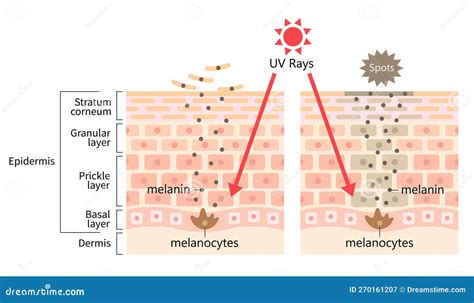
Hyperpigmentation, characterized by dark spots or patches caused by excess melanin, can result from sun exposure, hormonal changes, or certain medications. Rosehip oil's rich vitamin A content, including retinoids, is known for its ability to reduce hyperpigmentation and other visible signs of aging with consistent use. Additionally, ingredients like lycopene and beta carotene in rosehip oil are believed to possess skin-lightening properties, commonly found in skin-lightening products.
8. Scar and Fine Line Reduction
The essential fatty acids and antioxidants in rosehip oil are integral to tissue and cell regeneration, making it a traditional remedy for wound healing and reducing the appearance of scars and fine lines. A 2015 study on rosehip powder showed a significant reduction in fine lines around the eyes after 8 weeks of oral treatment. Another study in 2015 found that participants applying topical rosehip oil to post-surgical scars twice daily experienced significant improvements in scar color and inflammation after 12 weeks compared to a control group.

9. Strengthening Skin Barrier
Rosehip oil's antioxidants and polyunsaturated fatty acids, like linoleic acid, are crucial for preventing the breakdown of skin cell membranes. Strong, healthy cells form a barrier against bacterial invasion, which can lead to outbreaks. Studies indicate that rosehip powder can bolster skin cell strength and longevity and reduce the production of MMP-1, an enzyme that degrades collagen.
How to Use Rosehip Oil
Rosehip oil is a dry oil that absorbs easily into the skin. While generally safe for all skin types, performing a patch test before first use is recommended to ensure no allergic reactions occur.
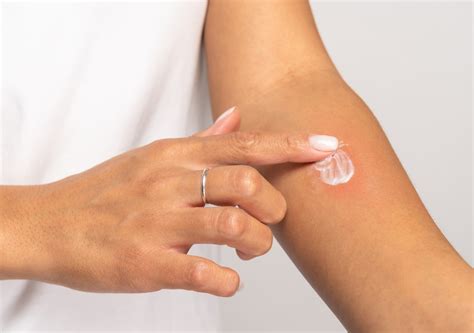
Patch Testing
- Apply a small amount of rosehip oil to your forearm or wrist.
- Cover the area with a bandage or gauze.
- After 24 hours, check the area for signs of irritation, such as itching or inflammation. If irritation occurs, discontinue use and consult a doctor if it persists.
- If no irritation is present, the oil is likely safe for use on other areas of the skin.
Application
Once a patch test is completed, rosehip oil can be applied up to twice daily. It can be used on its own or mixed with a few drops into another carrier oil or your favorite moisturizer.
Storage
To prolong its shelf life, store rosehip oil in a cool, dark place or in the refrigerator, as it can go rancid quickly. Opting for cold-pressed, organic rosehip oil is recommended for purity and optimal results, although it may be slightly more expensive.
Potential Allergic Reactions
While rosehip oil is generally safe, allergic reactions are possible. Symptoms may include red, itchy skin, itchy or watery eyes, a scratchy throat, nausea, or vomiting. In severe cases, anaphylaxis can occur, requiring immediate emergency medical attention. Seek help if experiencing difficulty breathing, wheezing, swelling of the mouth, throat, or face, rapid heartbeat, or stomach pain.
Rosehip oil's extensive history and scientific backing make it a compelling choice for individuals seeking to enhance their skincare routine by reducing visible signs of aging, improving the appearance of scars, and promoting overall skin health through its rich vitamin, antioxidant, and essential fatty acid content.