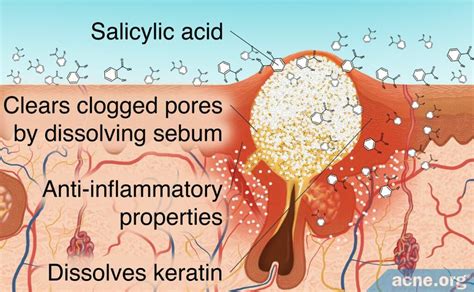
Salicylic acid, a potent beta hydroxy acid (BHA), is renowned for its exfoliating capabilities. As a chemical exfoliant, it effectively penetrates the skin to break down the bonds between dead skin cells that can obstruct pores and lead to the formation of whiteheads and blackheads. This deep pore cleansing action is a primary benefit of incorporating salicylic acid into a skincare routine.
The oil-soluble nature of salicylic acid allows it to delve deeper into the skin and unclog pores, while simultaneously helping to manage excess sebum production. This makes it particularly beneficial for those struggling with blemishes and excess oiliness. Furthermore, salicylic acid is non-comedogenic, meaning it will not worsen clogged pores.
While considered a stronger exfoliant compared to some other chemical exfoliants, salicylic acid is generally gentler on the skin than physical exfoliants. This characteristic helps to preserve the skin's moisture barrier, a crucial aspect for maintaining healthy skin, especially for those with drier skin types.
Understanding Salicylic Acid Formulations
Salicylic acid can be found in a variety of skincare products, often in different concentrations to suit various needs. Potent salicylic acid serums are designed for increased absorption, potentially leading to faster and more noticeable improvements. It is also a common ingredient in cleansers for daily use, as well as in moisturizing creams and lotions that offer both exfoliation and hydration.
The suitability and frequency of use for salicylic acid products depend significantly on the specific formulation and individual skin type. Salicylic acid is frequently incorporated into formulations targeting blemish-prone, rough, or bumpy skin, as well as oily skin types. For individuals with oily, rough, or blemish-prone skin, salicylic acid formulas can often be used up to twice daily.
Salicylic Acid and Dry Skin: A Delicate Balance
It is important to note that salicylic acid may be too potent for dry or sensitive skin types and should be used with caution. For regular exfoliation, its use might be limited to twice a week. In some instances, a gentler alpha hydroxy acid (AHA), such as glycolic acid or lactic acid, might be a more suitable alternative for dry or sensitive skin.
When incorporating salicylic acid products into your routine, it is crucial to follow the specific directions provided on the product packaging. Overuse of salicylic acid, or its combination with other strong, skin-drying ingredients, can result in over-exfoliated skin. This can manifest as skin irritation, discomfort, and dryness or redness, a risk that is heightened for sensitive and allergy-prone individuals.
Optimizing Salicylic Acid Use with Other Ingredients
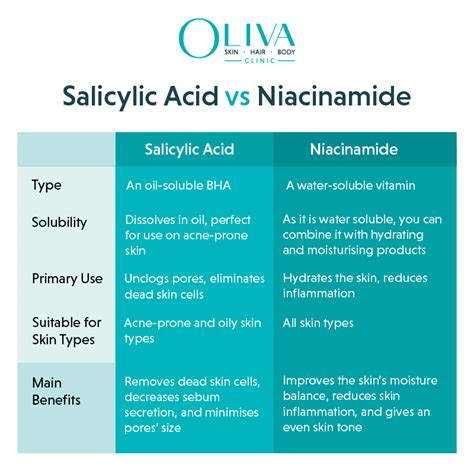
Salicylic acid can be effectively combined with a range of other ingredients to enhance its skin benefits. Hyaluronic acid is an excellent partner, known for its hydrating properties, which can help counteract potential dryness from salicylic acid. The combination of salicylic acid and niacinamide is a powerful duo for achieving smoother skin and a more even skin tone.
Ceramides, essential lipids that form the skin's protective moisture barrier, can also be beneficial when used alongside salicylic acid, aiding in moisture retention. Furthermore, salicylic acid and vitamin C can support each other in promoting brighter, more radiant skin. While vitamin C offers antioxidant protection against harmful free radicals, salicylic acid encourages skin cell turnover, revealing fresher skin. However, it is important to alternate between salicylic acid and vitamin C to avoid potential skin irritation when used together.
Some topical salicylic acid preparations may include other hydroxy acids to boost exfoliating benefits. Lactic acid and glycolic acid, both AHAs, are frequently combined with salicylic acid to enhance its effectiveness for blemish-prone skin.
Important Considerations and Precautions
Salicylic acid increases the skin's sensitivity to UV exposure. Therefore, it is imperative to incorporate a broad-spectrum, high SPF sunscreen into your morning skincare routine whenever using salicylic acid products.
For sensitive skin types, it is advisable to avoid high concentrations of topical salicylic acid. Always perform a patch test before introducing a new product into your regular routine. Discontinue use immediately if you experience any skin irritation or signs of an allergic reaction. Additionally, avoid using salicylic acid concurrently with other topical blemish treatments such as benzoyl peroxide and retinoids.
Salicylic Acid Face Wash: Specific Benefits
Salicylic acid is widely recognized for its efficacy in combating acne, largely due to its oil-fighting properties. It effectively breaks down and removes pore-clogging oils and helps shed dead skin cells, thereby reducing the appearance of pimples, blackheads, and whiteheads. Its lipid-solubility allows it to penetrate sebaceous follicles, making it an excellent choice for issues related to oily skin.
Deep Cleaning and Pore Clearing
For individuals with oily skin, the excess sebum production can lead to persistent breakouts. Salicylic acid's high oil solubility allows it to dissolve these pore-clogging oils, helping to prevent pimples. A daily salicylic acid face wash can effectively control oiliness and reduce breakouts.
Reducing Future Breakouts
Acne occurs when oil and dead skin cells obstruct hair follicles. Regular use of salicylic acid helps keep pores clear, significantly reducing the likelihood of acne development. Its anti-inflammatory properties also offer protection against acne-causing bacteria.
Mild Exfoliation
At higher concentrations, salicylic acid acts as a peeling agent. It gently breaks down the bonds between keratinocytes, the cells forming the upper layer of the skin. This process gently removes the dull layer of skin without the need for mechanical exfoliation, which can sometimes cause irritation.
Treating Acne Scars
By acting as a mild exfoliator and removing old or dead skin cells from the skin's surface, salicylic acid contributes to a smoother skin texture. It helps reduce skin flaking and aids in healing darkened or rough spots left behind by pimples.
Treating Age Spots
Salicylic acid facilitates the removal of pigmented and dead skin cells from the superficial layer of the skin, allowing new skin cells to emerge. This process can reduce the visible signs of aging, contributing to a more youthful complexion.
How to Use Salicylic Acid (BHA) for DRY, Acne Skin
Tips for Using Salicylic Acid Products
When using products containing salicylic acid, particularly for acne treatment, some dryness may occur due to its oil-dissolving properties. To counteract this, ensure you use an oil-free moisturizer twice daily to restore moisture without clogging pores. Opt for moisturizers specifically designed to hydrate while keeping pores clear.
Cleanse your face twice daily using lukewarm water and a gentle cleanser. Apply moisturizing creams and other products with your hands. Crucially, always use sun protection products, such as sunscreens or moisturizers with SPF 25 or higher, to mitigate increased sun sensitivity.
In summary, consistent use of products containing salicylic acid helps manage skin oil, keeps pores clear, and contributes to healthier-looking skin.