Head lice are tiny parasitic insects that live on the human scalp and feed on blood. While they are a nuisance, it's important to note that head lice do not carry or spread diseases and typically do not cause serious medical problems. However, the itching associated with head lice can lead to scratching, which may result in sores and scabs on the scalp, potentially leading to infection.
Understanding Head Lice
What are Head Lice?
Head lice, scientifically known as Pediculus humanus capitis, are small, wingless insects that infest human hair, most commonly on the scalp, but occasionally on eyebrows and eyelashes. They are found worldwide and can infect hair of any length or type. In the United States, head lice tend to affect young children and their caregivers.
What Do Head Lice Look Like?
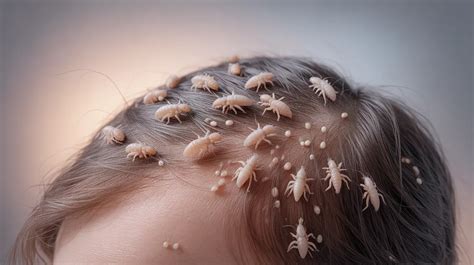
Adult lice are gray or tan and are about the size of a sesame seed, with three pairs of legs that resemble claws. Due to their rapid movement and tendency to avoid light, finding adult lice can be challenging. It is often easier to find their eggs, known as nits.
What Do Nits Look Like?
Nits are tiny, typically white, yellowish, tan, or brown. They are found close to the scalp, glued to the hair shafts. They might resemble dandruff but are difficult to remove by simply pulling or brushing. Nits take about 6 to 9 days to hatch into nymphs, which are immature lice that mature into adults within approximately seven days.
Causes and Transmission of Head Lice
How Do You Get Head Lice?
Head lice primarily spread through direct head-to-head contact with an infested person. This type of transmission is common among children who play closely together in settings like schools, daycares, or homes. Less commonly, lice can spread through sharing items that touch the head, such as combs, brushes, hats, or hair accessories. Household pets do not spread head lice.
Risk Factors for Head Lice Infestation
Head lice have no preference for cleanliness and can infest anyone. However, they are most common in children aged 3 to 12 years due to their frequent and close physical contact with one another. Transmission is most common within families or among children who have close contact.
Symptoms of Head Lice and Scalp Sores
Common Symptoms of Head Lice
The most common symptom of head lice infestation is itching (pruritus) of the scalp, neck, and behind the ears. This itching is an allergic reaction to the saliva injected by the lice when they bite to feed on blood. It is important to note that some individuals, especially with a first-time or light infestation, may not experience itching immediately. It can take 4 to 6 weeks for itching to develop. Other symptoms may include:
- A feeling that something is moving in the hair.
- Small bumps or sores on the scalp from scratching.
- Difficulty sleeping, as head lice are most active at night.
- A rash on the scalp and neck.
Scalp Sores and Scabs as a Complication
Excessive scratching of an itchy scalp can break the skin, leading to small bumps, sores, and scabs. These open sores can become infected, which may require medical attention. Signs of infection can include increased pain or tenderness, skin discoloration, slow healing, oozing, crusting, bleeding, and fever. In some cases, infected sores may require antibiotic treatment.
Diagnosis and Checking for Head Lice
How to Check for Head Lice at Home
A thorough check for head lice can be performed at home using a fine-toothed comb, often referred to as a "nit comb."
- Preparation: Part the hair into small sections in a well-lit area. Applying conditioner to the hair can help immobilize lice and make combing easier.
- Combing: Use the nit comb to carefully comb through all sections of the hair, from the scalp to the ends. Pay close attention to the areas around the ears and the hairline at the back of the neck, as lice and nits are often found there.
- Inspection: Examine the comb after each pass for live lice or nits. A magnifying glass can be helpful in identifying them.
If you are unsure whether your child has lice, you can consult a school nurse, local health department, or a medical professional. Misdiagnosis is common, as other scalp conditions can mimic lice symptoms.
Treatment of Head Lice and Scalp Sores
Over-the-Counter (OTC) and Prescription Treatments
There are several effective treatments available for head lice, including over-the-counter medications and prescription drugs. These typically come in the form of creams, shampoos, or lotions containing insecticides.
- OTC Medications: Most OTC treatments kill lice. It is crucial to follow the directions provided with the medication carefully, as some require a single application, while others may need a second treatment 7 to 9 days later. Do not shampoo or condition hair before applying the medicated product. Rinse with warm water.
- Prescription Medications: If OTC treatments are ineffective, a doctor may prescribe stronger medications, such as those containing permethrin, pyrethrin, or malathion.
Important Considerations for Treatment:
- Do not use insecticides not specifically designed for treating head lice.
- Avoid using regular shampoos or conditioners before applying medicated treatments.
- Rinse the medication with warm, not hot, water.
- Check the scalp for live, active lice 12 hours after treatment. If live lice are still present, consult your doctor.
Wet-Combing for Lice and Nits
Wet-combing is a manual method that can help remove lice and nits. It involves using a fine-toothed comb (a flea comb for pets can also work) on wet, conditioned hair. Comb through all the hair very carefully, section by section.
Managing Itching and Scalp Sores
To alleviate itching, an over-the-counter anti-itch cream can be helpful. For severe itching, consult a doctor about an over-the-counter antihistamine. If scratching has caused sores, keeping the area clean and avoiding further irritation is important. If sores show signs of infection, medical attention is necessary.
Preventing the Spread and Recurrence of Head Lice
Environmental Cleaning
Head lice do not survive for long away from the human body; they typically die within 24 to 36 hours if they fall off a person and cannot feed. Therefore, extensive cleaning of the home is usually unnecessary. However, it is recommended to:
- Soak hairbrushes, combs, barrettes, and other hair accessories in hot water (at least 130°F or 54.4°C) for 10 minutes.
- Machine-wash clothing, bedding, towels, and hats that have been in contact with an infested person in the last 2 days using hot water (at least 130°F or 54.4°C) and dry them in a hot dryer.
- Items that cannot be washed or dried should be stored in a sealed plastic bag for 14 days.
- Vacuum carpets, mattresses, couches, and other upholstered furniture.
Preventing Future Infestations
Teaching children not to share personal items that come into contact with hair, such as hair bands, towels, helmets, hats, combs, or brushes, can help prevent the spread of lice. It is also advisable to avoid head-to-head contact with individuals who have lice.
How to wet comb hair to remove headlice
Other Causes of Scalp Sores and Scabs
While head lice are a common cause of scalp sores due to scratching, other conditions can also lead to similar symptoms. It is important to consult a doctor if you are unsure of the cause or if symptoms persist or worsen.
Conditions Mimicking Head Lice Symptoms:
- Psoriasis: A chronic skin condition causing thick, silvery-gray scabs or patches on the scalp.
- Contact Dermatitis: An allergic reaction or irritation from substances like shampoos or hair products, leading to itchy, dry, or blistered skin.
- Seborrheic Dermatitis: Causes itchy, flaky skin and scales, often appearing greasy or scaly.
- Ringworm: A contagious fungal infection causing itching and scaly patches.
- Folliculitis: Inflammation or infection of hair follicles, presenting as acne-like pimples or crusty sores.
- Acne: Clogged hair follicles on the scalp can lead to itchy bumps.
- Infections (e.g., Impetigo): Bacterial infections can cause blisters and sores that may appear on the scalp.
- Cysts: Fluid-filled sacs under the skin that can become inflamed or infected.
- Lupus: An autoimmune disease that can cause skin lesions and hair loss on the scalp.
- Eosinophilic Folliculitis: A condition that causes itchy, inflamed sores filled with pus, often associated with advanced HIV.
- Dermatitis Herpetiformis: An intensely itchy rash caused by a reaction to gluten.
- Shingles: A viral infection that can cause painful blisters and scabs on the scalp.
- Skin Cancer: Sores that don't heal, raised or scaly patches, or spots that change in color or size on sun-exposed areas of the scalp.
Treatment for these conditions depends on the underlying cause and may involve medicated shampoos, topical ointments, oral medications, or other therapies prescribed by a healthcare professional.