Sculptra is a unique injectable treatment option designed to restore and add volume to the face. Unlike traditional dermal fillers, Sculptra is a bio-stimulator that works by prompting your body to produce its own collagen in the treated areas. The primary active ingredient in Sculptra is poly-L-lactic acid (PLLA), a biocompatible synthetic substance that effectively stimulates the body’s natural collagen synthesis.
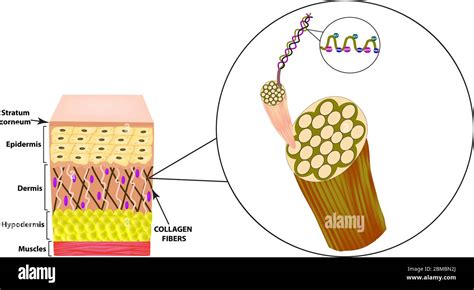
Collagen, a vital protein, provides structure and elasticity to the skin. Its production naturally declines with age, leading to the emergence of wrinkles, folds, and a loss of facial volume. When Sculptra is injected, it gradually works over time to stimulate collagen production, resulting in a more youthful and volumized appearance.
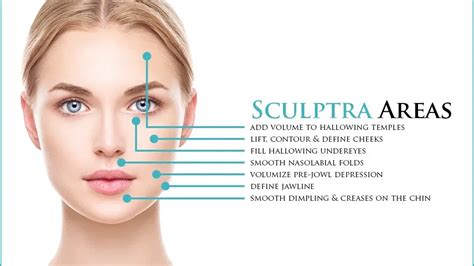
A typical Sculptra treatment encompasses the entire face, excluding the lips, under-eyes, and nose. This contrasts with other volume-restoring injections that target only specific areas. The broader application of Sculptra often leads to very natural-looking results. Furthermore, the effects of Sculptra are known for their longevity.
One patient shared their experience after significant weight loss: "After I’d lost a lot of weight from Semaglutide, my cheeks were sunken and I felt old and haggard despite feeling so much better about my body. I had Sculptra treatments to help balance my upper face with my lower face; it was placed throughout my temples and cheeks, and now my face looks and feels completely smooth and natural. It has given me a more youthful look, and as a bonus my skin seems to be extra glowy too."
Another individual, a 53-year-old male diagnosed with HIV many years ago, noted: "My goal was not to look younger but to look healthy and I could not be more pleased with the results! The many years of medications had caused my face to become very sunken in the cheek area, which is common with HIV infection."
How Sculptra Works
Sculptra's mechanism of action is distinct from that of immediate-acting dermal fillers like Juvederm or Restylane. Instead of providing instant volume, Sculptra initiates a gradual process of collagen stimulation. The PLLA particles in Sculptra work by activating fibroblasts, the cells responsible for collagen production, to generate new collagen fibers in the treatment area.
This process unfolds over weeks and months, leading to a progressive restoration of facial volume, softening of fine lines and wrinkles, and an overall improvement in skin texture and firmness. The results appear natural because they are a result of the body's own regenerative processes.
The Science Behind Sculptra
Poly-L-lactic acid (PLLA) is a biocompatible and biodegradable synthetic polymer that has a long history of use in medical applications, including absorbable sutures and implants. When injected into the skin, PLLA acts as a collagen stimulator rather than a simple filler. It encourages the skin’s natural collagen production, which is crucial for maintaining skin elasticity and volume.
As we age, natural collagen levels decrease, leading to sagging skin and the formation of jowls. Sculptra directly addresses this root cause by promoting the growth of new collagen, making it a promising solution for sagging jowls and overall facial rejuvenation.
Sculptra for Jowls and Jawline Definition
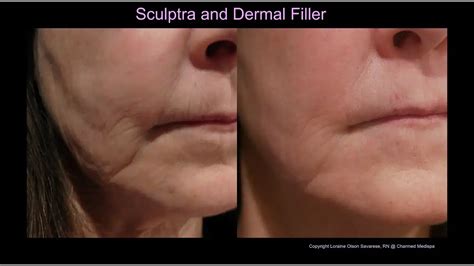
Jowls, characterized by sagging skin along the jawline, are a common concern associated with aging. As the fat pads beneath the skin shift and skin loses elasticity, the lower face can lose definition. Sculptra offers a non-surgical approach to address this by stimulating collagen production along the jawline and lower cheeks, helping to restore lost volume and create a more defined jawline.
The treatment for sagging jowls involves injecting Sculptra into targeted areas to strengthen the skin’s structure over time. This process helps to lift and tighten the skin, leading to a smoother, more defined jawline. The results appear natural because they develop gradually over several months.
A defined jawline is highly valued, and as aging progresses, sagging skin and a loss of firmness can alter the facial profile. Sculptra is gaining attention as a non-surgical option for jawline contouring. Unlike traditional jawline fillers that provide immediate but temporary volume, Sculptra builds a framework under the skin that restores firmness and structure over time.
Key benefits of Sculptra for jawline definition include:
- A non-surgical option with minimal downtime.
- Gradual improvements that appear natural.
- Results that can last up to two years.
- Support for skin firmness and structure, not just surface volume.
What to Expect from a Sculptra Treatment
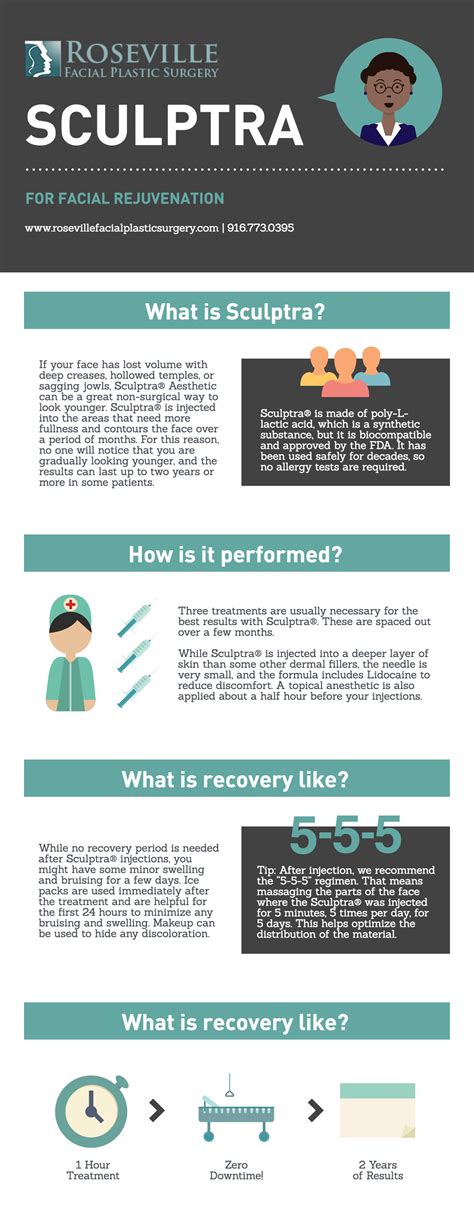
A Sculptra treatment typically involves a series of two to three sessions spaced several weeks apart. Each appointment usually lasts less than an hour and includes a series of injections along the targeted areas of the face, including the jawline and surrounding areas for balance.
Immediate Effects and Gradual Enhancement
Immediately following injections, you may notice some swelling due to the saline used to dilute the Sculptra solution. This can contribute to a temporarily fuller appearance, but it will dissipate as your body absorbs the excess fluid. The Sculptra itself begins its work of stimulating collagen production.
Visible improvements typically start to emerge around four to six weeks after the first treatment. As collagen production continues to build, you will notice a gradual enhancement in skin texture, volume, and overall appearance. The full benefits of Sculptra treatment are usually evident around two to three months after the final session.
Post-Treatment Care and Massage
Proper aftercare is crucial for optimal results. Your Sculptra provider will instruct you on a specific massage technique to be performed for five days following the procedure. This is often referred to as the "5-5-5 Rule": for five days, massage the treated areas five times a day for five minutes each time.
It is recommended to apply a skincare product to provide "slip" during the massage. While some areas may feel sore initially, continuing the massage as instructed is important for ensuring even product distribution and preventing lump formation. Patience and realistic expectations are necessary, as Sculptra results are progressive, not immediate.
Common side effects that may occur immediately after injections include:
- Temporary swelling
- Redness
- Bruising
- Tenderness
- Itching
- Discomfort at the injection sites
While most side effects are mild and resolve within a few days, it is important to be aware of potential risks.
How to Massage after Scultptra to Prevent Nodules | Everything you Need to Know
Potential Risks and Complications
Like any cosmetic procedure, Sculptra carries potential risks, although serious complications are rare when administered by a qualified professional. A critical aspect of Sculptra's safety and efficacy lies in proper placement.
Risks of Incorrect Placement
If Sculptra is placed in unsuitable areas or incorrectly, it can lead to complications such as:
- Lumps or nodules: Small bumps can form under the skin, which may feel uneven or bumpy.
- Uneven volume: Asymmetry in facial fullness can occur.
- Inflammation or irritation: Redness or discomfort may arise.
- Poor aesthetic results: Unnatural contours or asymmetry can be a concern.
Sculptra works best when injected into the deep dermis or subcutaneous layer, where it can effectively stimulate collagen and restore volume naturally. Incorrect placement, such as injecting directly over bone, can lead to visible lumps or discomfort.
Areas Where Sculptra Should Not Be Injected
Certain areas of the face are not suitable for Sculptra injections due to the delicate nature of the skin, the presence of vital structures, or the potential for unpredictable results. These areas include:
- Under the Eyes (Tear Troughs): The thin, sensitive skin here increases the risk of nodules and unpredictable integration.
- Forehead and Eyelids: The thin skin and dense vascular structures in these areas make precise placement difficult and increase the risk of lumps or uneven results.
- Lips: The highly mobile nature of the lips and the risk of nodules or uneven volume make Sculptra unsuitable. Hyaluronic acid fillers are generally preferred for lip enhancement.
- Areas with Infection or Active Skin Conditions: Injecting Sculptra into compromised skin can worsen inflammation, increase infection risk, and negatively impact outcomes.
- Neck, Hands, and Décolletage: The thin skin in these areas is more prone to visible lumps, uneven texture, or palpable nodules unless expertly administered.
For these areas, alternative treatments such as hyaluronic acid fillers, neuromodulators (like Botox), PRP, or laser treatments may be more appropriate.
Granulomas
A rare but potential complication directly related to Sculptra is the risk of granulomas. These are small, inflammatory nodules that can develop in response to foreign substances like Sculptra, sometimes occurring months or even years after treatment. While the risk is extremely rare, choosing a skilled provider is paramount.
Choosing a Skilled Provider
Given that Sculptra's results are highly dependent on the skill and experience of the injector, selecting a qualified provider is extremely important. A skilled injector with an artistic approach and intentional technique can ensure a safe, flattering outcome.
Qualifications and Experience
Look for a provider who is a licensed healthcare professional with specific training and extensive experience in administering injectable treatments like Sculptra. Providers who rarely use Sculptra or are beginners should be avoided, as this is not a treatment for experimentation.
Reputation and Reviews
Research the provider's reputation by reading reviews from previous patients. Asking to see before-and-after photos of patients who have undergone similar treatments can also provide valuable insight.
Bedside Manner
Trust your instincts. A potential provider should seem confident and comfortable answering all your questions. The logic they use for recommending Sculptra should make sense to you.
Consultation is Key
If you are considering Sculptra or are curious about facial rejuvenation in general, a consultation with a qualified medical professional is essential.
Personalized Assessment
During the consultation, your provider will evaluate your facial structure, skin quality, and specific concerns to determine if Sculptra, or a combination of treatments, is suitable for you.
Discussion of Goals
This is your opportunity to openly discuss your desired outcomes and what you hope to achieve with Sculptra injections. Honesty and vulnerability are encouraged.
Questions and Concerns
You should feel comfortable asking any questions or expressing any concerns you may have about the procedure, recovery process, or expected results.
Some practices may even facilitate a conversation with a team member who has been treated with Sculptra, allowing you to gain first-hand feedback and even feel what the product might feel like under the skin.
Is Sculptra Right for You?
Sculptra is often ideal for individuals experiencing mild to moderate sagging, particularly in the jowl area, who wish to avoid surgical interventions. It is also suitable for those seeking a gradual, natural-looking enhancement rather than an immediate, dramatic change. Younger patients may use Sculptra for contouring and balance, while those in their 40s and 50s often appreciate its ability to restore firmness and structure.
However, if you have significant sagging, Sculptra may not provide the dramatic results you desire. A consultation with a skilled injector is the best way to determine if Sculptra aligns with your aesthetic goals or if another approach might be more beneficial.
Long-Term Results and Maintenance
The results from Sculptra are not immediate but rather progressive, with at least two treatment sessions typically needed to achieve desired outcomes. The full effects are usually visible around two to three months after the final treatment session and can last up to two years or more, depending on individual factors such as age, skin condition, lifestyle, and the number of treatment sessions.
While Sculptra provides long-lasting results, it is not a permanent solution. Occasional touch-up treatments may be recommended to maintain optimal results as collagen production naturally slows over time.
Cost and Investment
The cost of Sculptra treatment can vary depending on the number of treatment sessions required and the geographic location. While it may represent a significant initial investment, the longevity of the results often makes it a cost-effective choice compared to more frequent treatments with other fillers.