Achieving a perfect sun-kissed glow on your face without damaging your skin from the sun's UV rays is possible with the right techniques for applying self-tanner. Learning how to apply self-tanner to your face and neck can help you put your best face forward, resulting in a gorgeous glow without any sun damage.
What Is Self Tanner?
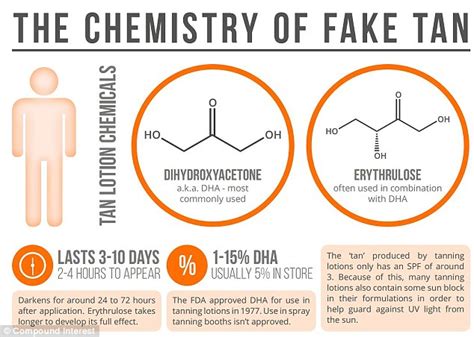
Self-tanner provides a bronzed glow without the need for sun exposure. These products come in various forms, from lotions to towelettes. Many self-tanners utilize an active ingredient called dihydroxyacetone (DHA), which is an FDA-approved ingredient for use in self-tanning products. DHA works by reacting with the amino acids on the top layer of your skin, creating a darkened shade. Self-tanners with DHA are generally safe for facial application, but it's important to avoid applying them around the eyes, nose, or lips, and inhaling DHA is not recommended.
Benefits of Using Self Tanner on Your Face
Safety
The primary advantage of using a self-tanner on your face over sun exposure is safety. Sunless tanners allow you to achieve a golden glow without increasing your risk of sun damage, premature aging, or suffering a painful sunburn.
Speed
Sunless tanners can provide an instant tan in just a few minutes, saving you valuable time. Most products offer a bronze tint immediately upon application, making them perfect for important events or a spontaneous beach day.
Year-Round Glow
When applied regularly, a self-tanner can help maintain your tan all year long, eliminating the need to seek out warmer climates during colder months for a desirable complexion.
Drawbacks of Using Self Tanner
Testing and Learning Curve
The market offers a wide variety of self-tanners, and results can vary based on product quality and application method. Achieving a perfect, even self-tan can involve a learning curve, but with the right tips and tricks, a beautiful glow is attainable.
How to Apply Self Tanner to Your Face for a Flawless Look
Follow these steps to confidently apply self-tanner to your face and achieve a natural-looking glow:
Step 1: Cleanse and Exfoliate
Before applying any self-tanner, cleanse your skin and exfoliate using oil-free products. Exfoliation removes dead skin cells, preparing your face for an even application and a smooth finish.
Step 2: Choose the Right Shade
After selecting a self-tanning product, test it on an unnoticeable part of your body to determine the right shade and the amount of product needed to achieve your desired result.
Step 3: Mix with Moisturizer (Optional but Recommended)
Apply an oil-free moisturizer to your hairline and eyebrows to prevent staining. It's crucial to avoid any products containing oil for at least 24 hours before applying self-tanner, as this helps mitigate patchiness and ensures a more even set.
Important Note: While mixing self-tanner with moisturizer can help reduce blotchiness, applying moisturizer separately beforehand is also effective. If you've already moisturized, additional mixing might not be necessary.
Step 4: Apply Self Tanner
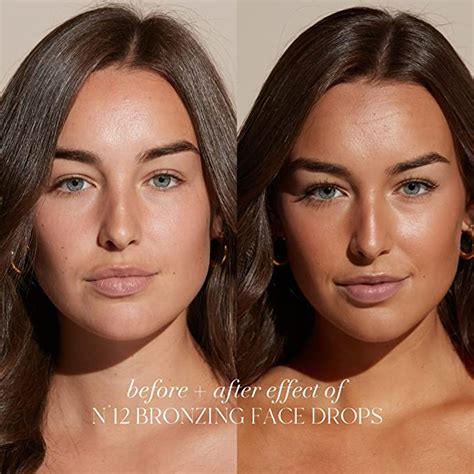
Smooth the self-tanner evenly over your face and neck. Gently massage the product onto your skin, ensuring coverage from the back of your neck to your ears and hairline for a perfect tone.
If using a spray tan mist, hold it about 4 inches from your face, spraying in a downward direction. For cream self-tanners, use your fingers to gently and evenly massage the product into your skin. If using a pigmented self-tanner, you can use a makeup brush or your fingers to contour areas like under the jawline, brow bones, and cheekbones for added dimension.
Editor's Tip: To avoid stained palms, wash your hands thoroughly immediately after application.
Step 5: Let the Color Develop
Wait a few minutes after application before getting dressed to allow the tanner to dry completely. The tan will typically develop over a few hours.
Face Tanning Aftercare
Proper aftercare is essential for extending the life and enhancing the appearance of your self-tan.
Set Your Tan With a Powder (Optional)
If you apply self-tanner before bed, applying a translucent powder can help set the product and prevent smudging or sliding.
Keep Your Skin Hydrated
Reapply your oil-free moisturizer daily, both morning and night, to keep your skin hydrated and maintain a bright, beautiful glow.
Stay Away From Oil-Based Products
Avoid using cleansers or other skincare products that contain oil, as these can cause your self-tanner to fade quickly and lead to an uneven appearance.
Skip Exfoliating
To maintain your tan for as long as possible, avoid exfoliating. Exfoliating removes the top layer of skin where the tan resides, so steer clear of harsh products that may strip the tint.
Protect With Sunscreen
Apply sunscreen with an SPF of 30 or higher daily to protect your face and skin, even during colder months and on cloudy days. Reapply every few hours for maximum protection.
How To Apply Face Self Tanner | Tips For A Streak - Free Tan
Common Questions About Face Self-Tanning
Why Am I Experiencing Patchiness After Self-Tanning?
Patchiness or streaks can occur due to inadequate exfoliation, which leaves behind dead skin cells that create an uneven skin texture.
Can I Mix My Moisturizer with My Self-Tanner?
Yes, you can mix moisturizer with certain self-tanners, such as tanning serums, to reduce blotchiness. However, if you've already applied moisturizer separately, additional mixing may not be necessary.
Self-Tanning with Acne or Eczema
For individuals dealing with acne or eczema, careful product selection and application are crucial.
Choose Your Tanner Wisely
If your acne or eczema is well-controlled and you don't have active flares, self-tanner can be safely applied. It's advisable to first test any new product on an inconspicuous area, like your inner arm, before applying it to your face.
When selecting a self-tanner for acne- and/or eczema-prone skin, prioritize products that are non-comedogenic to reduce the risk of clogged pores and breakouts. Look for moisturizers that focus on hydration, including ingredients like hyaluronic acid, aloe vera, and shea butter. Avoid body tanners on your face, as they are not formulated for the more sensitive facial skin.
Gradual tanners may be a better option than instant tanners, as they might have lower concentrations of tanner ingredients and are less likely to cause a reaction.
Prep Your Skin Carefully
Ensure your skin is thoroughly moisturized before application, especially if you have acne or eczema. Apply a light layer of a non-oil-based moisturizer to problem areas prior to self-tanner application. You can also apply moisturizer over the self-tan immediately after application to dilute the color on dry areas and ensure an even tan.
Consider using an ice cube, cold washcloth, or roller to cool your face and close pores before applying self-tanner. Make sure your face is completely dry before application to prevent tanning products from clogging pores.
Protect your brows by applying a small amount of moisturizer directly around them before application to prevent the tanning solution from saturating the skin.
Apply Self-Tanner Gently
Instead of rubbing the self-tanner into your face with your hands, gently pat it onto your face using a damp Beautyblender or sponge. This method helps blend the formula without causing unnecessary friction, which is beneficial for sensitive skin.
Post-Tan Care for Sensitive Skin
After applying self-tan, continue to use gentle, oil-free skincare products. Avoid exfoliating and products containing retinoids or harsh exfoliants, as they can dry out the skin or cause the tan to fade unevenly. Mist your skin with a lightweight serum to hydrate and protect your face with a lightweight sunscreen daily.
tags: #self #tanning #facial #moisturizer