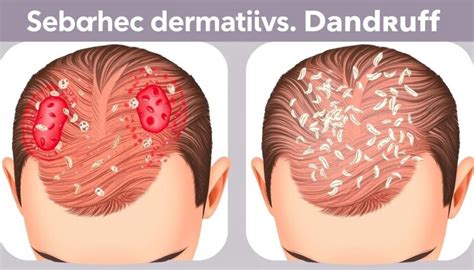
Selsun Blue, a well-known brand in the treatment of scalp conditions, primarily utilizes selenium sulfide as its active ingredient. This compound is effective in managing the symptoms associated with dandruff and seborrheic dermatitis, and also for treating a fungal infection known as tinea versicolor.
Understanding Selenium Sulfide
Selenium sulfide is an anti-infective agent that works by slowing down the growth of skin cells on the surface and within hair follicles. It also exhibits mild antifungal and antibacterial activity. The mechanism of action in treating dandruff and seborrheic dermatitis is not fully understood but is thought to involve slowing the rate of epithelial tissue turnover. It is active against Pityrosporum ovale, a yeast-like fungus present on the scalp.
Clinical Uses of Selenium Sulfide
Selenium sulfide is primarily used for two main conditions:
- Dandruff and Seborrheic Dermatitis: It effectively reduces itching, flaking, irritation, and redness of the scalp.
- Tinea Versicolor: This is a fungal infection that causes discoloration of the skin, typically appearing as light or reddish-brown spots.
Product Forms and Strengths
Selsun Blue products containing selenium sulfide are available in various forms and strengths:
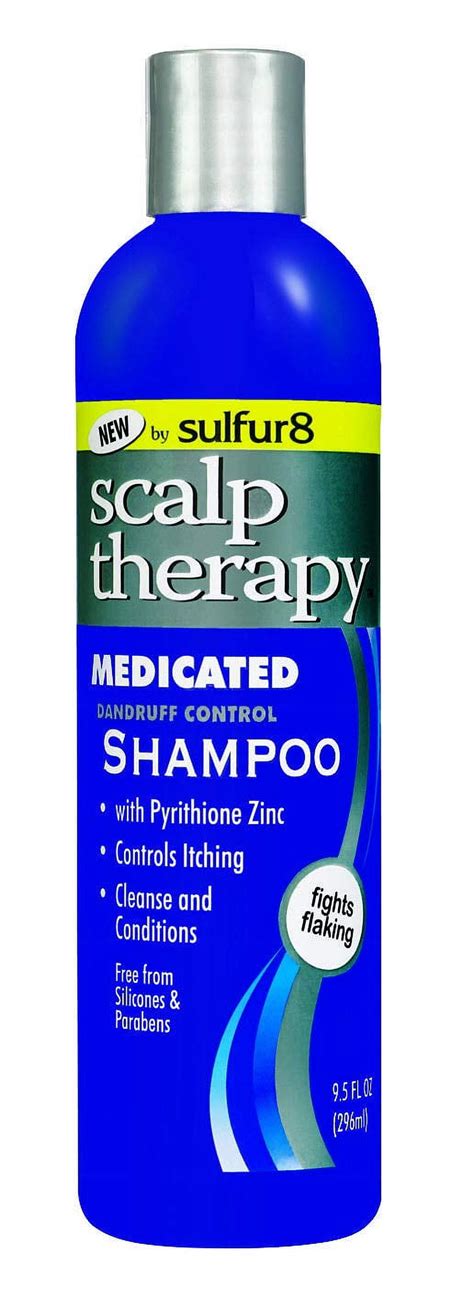
- Shampoos: Commonly found in strengths of 1%, 2.25%, and 2.3%. Note that the FDA has not approved the labeling for the 2.25% and 2.3% shampoos.
- Lotions: Available in 1% and 2.5% strengths. The 2.5% strength is available by prescription only in the United States for scalp use and can also be used on the body for tinea versicolor.
- Foams: Another available dosage form.
Common brand names associated with selenium sulfide include Dandrex, Selenos, SelRx, Selseb, Selsun Blue Medicated Treatment, and Tersi Foam.
Before Using Selenium Sulfide
Before commencing treatment with selenium sulfide, it is crucial to consider several factors:
Allergies
Inform your doctor or healthcare professional if you have ever experienced any unusual or allergic reactions to selenium sulfide or any other medications. It is also important to disclose other allergies, such as those to foods, dyes, preservatives, or animals. For non-prescription products, always read the ingredient list carefully.
Pediatric and Geriatric Use
While specific comparative information for infants, children, and the elderly is limited, selenium sulfide is not expected to cause significantly different side effects or problems in these age groups compared to adults. However, the medication is not recommended for children younger than 2 years of age, and use in infants requires determination by a doctor.
Drug and Other Interactions
It is essential to inform your healthcare professional about all other medications you are currently taking, including prescription drugs, over-the-counter (OTC) medicines, vitamins, minerals, herbal products, and other supplements. While some medications should not be used together, your doctor may adjust dosages or take other precautions if interactions are possible. Discuss the use of selenium sulfide with food, alcohol, or tobacco with your healthcare provider, as interactions may occur.
Other Medical Problems
The presence of other medical conditions can influence the use of selenium sulfide. Inform your doctor if you have any other medical problems, especially if you have blistered, raw, or oozing areas on your scalp or body, as this may increase the chance of absorption through the skin.
Proper Use and Application
Following the correct application instructions is vital for the effectiveness and safety of selenium sulfide products.
For Dandruff or Seborrheic Dermatitis of the Scalp
General Instructions:
- Wet the hair and scalp with lukewarm water.
- Apply enough medicine (typically 1 or 2 teaspoonfuls for lotions) to work up a lather.
- Allow the lather to remain on the scalp for 2 to 3 minutes.
- Rinse thoroughly.
- Apply the medicine again and rinse well.
For Best Results (1% Strength): Use at least 2 times a week or as directed by your doctor.
For 2.5% Strength: Use only as directed, not more often than recommended unless advised by your doctor.
Hair Discoloration: If using on light or blond, gray, or chemically treated hair (bleached, tinted, permanent-waved), rinse hair thoroughly for at least 5 minutes after use to minimize the risk of discoloration.
After Treatment: Wash your hands well after application.
For Tinea Versicolor of the Body
- Apply the medicine to the affected areas of the body, avoiding the face and genitals.
- Work up a lather using a small amount of water.
- Allow the medicine to remain on the skin for 10 minutes.
- Rinse the body well to remove all the medicine.
- This is typically applied once daily for 7 days.
Important Precautions During Application
- Do not use this medicine on blistered, raw, or oozing areas unless directed by your doctor.
- Keep the medicine away from the eyes. If accidental contact occurs, flush thoroughly with water.
- Remove any jewelry before use, as some products can damage it.
- Shake the bottle well before using if required by the specific product.
- Do not leave the medication on the hair, scalp, or skin for longer than directed, as this may increase side effects without clearing the condition faster.
- If the medication touches genital areas or skin folds, rinse well with water for a few minutes to prevent irritation.
Dosing Information
Dosing varies based on the patient, the strength of the medication, and the condition being treated. Always follow your doctor's orders or the directions on the product label.
Lotion Dosage Forms
- For Dandruff or Seborrheic Dermatitis:
- 1% Lotion: Adults and children use on the scalp two times a week.
- 2.5% Lotion: Adults and children use on the scalp two times a week for two weeks, then once a week or less often.
- For Tinea Versicolor:
- 2.5% Lotion: Adults and children apply to the body once a day for seven days.
- Infants: Use and dosage must be determined by a doctor.
Missed Dose
If you miss a dose, take it as soon as you remember. However, if it is almost time for your next scheduled dose, skip the missed dose and return to your regular dosing schedule. Do not double doses.
Storage
Store selenium sulfide products in a closed container at room temperature, away from heat, moisture, and direct light. Keep from freezing. Ensure all medications are kept out of the reach of children and pets. Do not keep outdated medicine or medicine no longer needed.
Side Effects
While selenium sulfide is generally well-tolerated, some side effects may occur.
Common Side Effects
These usually do not require medical attention and may disappear as your body adjusts:
- Unusual dryness or oiliness of hair or scalp
- Increase in normal hair loss
- Skin irritation
Less Common or Rare Side Effects
Check with your doctor as soon as possible if any of the following occur:
- Skin irritation (can be more common or rare depending on the source)
Serious Side Effects
Severe allergic reactions, though less common, can occur. Seek immediate medical help if you experience symptoms such as breathing problems, swelling of the face or throat, difficulty swallowing, hives, dizziness, or fainting.
If your condition does not improve or worsens after regular use, consult your doctor. If you develop a rash or sensitive skin, stop using the product and contact your healthcare provider.
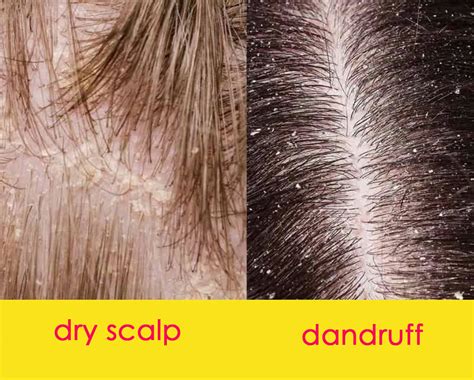
Why Your Scalp Is Flaky: The Difference Between Dryness And Dandruff Explained.
Pregnancy and Breastfeeding
It is not known if selenium sulfide could affect pregnancy or harm an unborn baby. Manufacturer recommendations generally advise against use during pregnancy due to insufficient human data. Similarly, it is unknown if selenium sulfide passes into breast milk. Inform your healthcare provider if you are pregnant, planning to become pregnant, or breastfeeding.
Other Conditions and Considerations
Jock Itch
Jock itch is a fungal or bacterial infection in the groin area. While not directly treated by Selsun Blue, antifungal treatments are often necessary for fungal jock itch.
Dandruff vs. Dry Scalp
Dandruff is characterized by flakes shed from the scalp, often due to conditions like seborrheic dermatitis. A dry scalp is simply dry skin on the head, which is less common than dandruff.
Tinea Versicolor
This fungal infection, caused by yeast naturally present on the skin, presents as discolored patches on the skin and is effectively treated with selenium sulfide.