Finishing powder is often considered a must-have in any makeup lover's toolkit. While it's frequently used interchangeably with setting powder, finishing powder actually serves a distinct purpose in achieving a polished makeup look. This article delves into the world of finishing powder, exploring what it is, how it differs from setting powder, and how to use it effectively.
What is Finishing Powder?
Finishing powder is a finely milled powder applied to the face after foundation and concealer. Its primary function is to enhance the overall appearance of your makeup by mattifying the skin, minimizing the appearance of pores and fine lines, and providing a smooth, airbrushed finish. Think of it as the final touch that gives your makeup a perfected, filtered look.
The beauty industry offers a variety of powders, and the terms "setting powder" and "finishing powder" can sometimes cause confusion. While both are powders used in the makeup application process, they serve different primary functions.
What is Setting Powder?
Setting powder is another type of powder specifically designed to set your makeup in place and ensure its longevity. It works by absorbing excess oil and preventing your makeup from smudging or transferring throughout the day. Setting powder is typically applied after foundation and concealer but before other color products like blush, bronzer, and highlighter.
Setting your makeup is essentially the process of ensuring your makeup is "dried down" and will not move. Setting products help prevent makeup from smudging, fading, or melting away due to heat, humidity, or sweat. This is achieved by creating a dry, even base for subsequent powdered products.
Finishing Powder vs. Setting Powder: Key Differences
The primary distinction lies in their purpose. Setting powder focuses on longevity and preventing makeup movement, while finishing powder focuses on appearance and refining the final look.
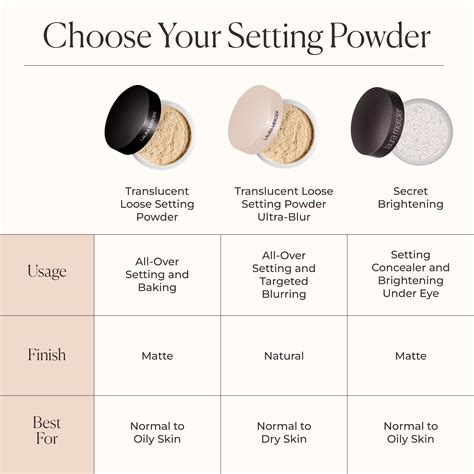
Setting powder is used to lock your foundation and concealer in place, absorbing excess oil and preventing transfer. Traditional setting powders aim to reduce shine with oil-absorbing ingredients. When dusted over liquid or cream products, setting powder helps keep your makeup from transferring or fading throughout the day. Setting powders can be either tinted or translucent, and come in both loose and pressed formats. They are meant to be applied directly on top of your foundation and concealer to help mattify and lock in your look.
Finishing powder, on the other hand, alters the finish of your makeup, acting like an "Instagram filter" in real life. Its purpose is to blur fine lines, conceal pores, and create a flawless, smooth appearance. Finishing powders can also be tinted or translucent and pressed or loose. While finishing powders are not intended for everyday heavy use, they are great for when you will be in front of bright lights and cameras, as they help prevent camera flashbacks.
By definition, finishing powder is not the same as setting powder, and they do serve different purposes in your makeup routine. However, the beauty industry is constantly innovating, and some powder formulas blur the line between setting and finishing powders. A powder labeled as "finishing powder" may offer a soft, blurred finish while also containing ingredients to set makeup and increase its longevity.
How to Use Finishing Powder
When choosing a finishing powder, it's important to select a shade that is close to your skin tone. A shade that is too light can make your skin look ashy. If you are unsure, testing the powder on your jawline can help you find the right match.
To apply finishing powder effectively, a large, fluffy brush is recommended. This type of brush helps to distribute the powder evenly and prevents it from looking cakey. Dip the fluffy brush into the powder, tapping off any excess on the side of the container.
Finishing powder can be applied after your foundation and concealer. It can also be applied over blush, bronzer, and highlighter to further blend and refine the look. Some individuals also use finishing powder to set their concealer under the eyes.
How to Use Setting Powder
Setting powder is applied after your liquid or cream foundation and concealer. If you plan to use finishing powder as well, it will be the last step in your makeup routine, applied after additional products like blush, bronzer, or highlighter.
A common method for applying setting powder is to take some powder onto a dry, fluffy eyeshadow brush, tap off the excess, and apply it to desired areas. Translucent or a shade matching your skin tone are good options for setting powder. Start in areas prone to oiliness or creasing, such as the T-zone (forehead, nose, chin) and under the eyes. To set the entire face, lightly dust setting powder over your cheeks, temples, and jawline.
Setting powders can be either tinted or translucent and come in both loose and pressed formats. They are meant to be applied directly on top of your foundation and concealer to help mattify and lock in your look. Traditional setting powders aim to reduce shine with oil-absorbing ingredients.
Can You Use Setting Powder and Finishing Powder Together?
Yes, you can absolutely use setting powder and finishing powder together for a comprehensive makeup application. The recommended order is to apply the setting powder first to lock your base makeup in place, followed by the finishing powder as the final step to refine the overall appearance.
While finishing powder can help set makeup to some extent, it is not as effective at controlling oil as a dedicated setting powder. Therefore, using them in conjunction leverages the strengths of both products.
What is Baking Your Makeup?
"Baking" is a makeup technique that involves applying a thick layer of powder, typically a translucent or banana-tinted powder, to specific areas of the face, letting it sit for a few minutes, and then brushing away the excess. This process helps to set makeup for a "heavier" look, creating a flawless, long-lasting, and crease-free matte finish, particularly effective for locking in concealer.
HOW TO "BAKE" YOUR FACE | Makeup Tutorial for Beginners
Baking first gained popularity in the drag community. The process involves applying a thick layer of translucent powder to areas like under the eyes with a damp makeup sponge, letting it sit, and then dusting away the excess with a fluffy powder brush. This method is particularly effective for achieving a creaseless matte finish and locking in concealer.
Which Powder is Right for You?
The best choice between setting powder and finishing powder, or whether to use both, depends on your individual skin type and makeup goals.
For Oily Skin: If you have oily skin, a setting powder is likely a priority to control shine and ensure your makeup lasts. Some mineral-based loose powders formulated with cornstarch and rice starch are excellent for absorbing oil and reducing shine without drying the skin, making them great options for setting makeup.
For Dry Skin: Those with dry skin may prefer finishing powder for a more natural, luminous finish. However, finishing powder can potentially dry out the skin, so it's important to use it sparingly. Individuals with dry skin or fine lines should use baking with caution, as it can look cakey.
General Makeup Application: Using setting powder is generally considered a must-have for any makeup look, regardless of skin type, to ensure longevity. If you have a long day or night ahead, keeping a pressed powder in your purse for touch-ups is a practical solution.
Baking Considerations: Baking may not be the best choice for individuals with fine lines, acne, or scarring, as it can accentuate these concerns. It's also not ideal for dry skin. Baking is more suited for dramatic nighttime looks or for individuals with very oily skin who struggle with makeup longevity.
When in doubt, reading the product description of the powder you're considering can help ensure it provides the setting power you need and the finish you desire. Some products are designed to be both setting and finishing powders, offering a blurred effect while also setting makeup and controlling shine.