Waking up to a breakout right before a significant event is a common and frustrating experience. While the urge to pop a pimple is strong, it's crucial to understand that the healing process requires time and proper care to prevent scarring and future breakouts. This guide explores effective methods to heal blemishes correctly, ensuring they leave no trace.
Understanding Why Acne Leaves Scars
Pimples can sometimes result in scars due to inflammation and damage to the skin during the acne healing process. Scarring primarily occurs when the body's natural healing response is disrupted, such as when a pimple is popped. This disruption can lead to abnormal collagen production and tissue repair, manifesting as pitted or raised scarring, prolonged redness (post-inflammatory erythema or PIE), or dark spots (post-inflammatory hyperpigmentation), depending on your skin tone and type.
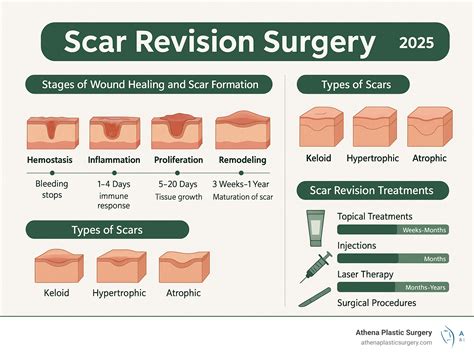
While allowing blemishes to heal naturally is the best defense, picking and popping are common occurrences. Therefore, it's important to know how to heal a pimple once it has been popped to increase the chances of remaining scar-free.
How to Heal a Popped Pimple
Accidentally popping a pimple can happen to anyone, but following the proper steps is essential to promote healing and prevent further damage. If you are dealing with a popped pimple, here are several effective treatment options:
Keep the Area Clean
Cleanse the affected area gently with a mild cleanser twice daily to remove dirt and oil. Avoid harsh scrubbing, as this can irritate the skin and prolong the healing process. After cleansing, pat the area dry with a clean towel.
Apply a Spot Treatment
After gently cleansing the popped pimple, apply a spot treatment specifically designed to target blemishes. Ingredients such as salicylic acid, benzoyl peroxide, or sulfur are effective in reducing redness and inflammation.
Prevent Scarring
To prevent scarring, it is vital to avoid further picking or popping. Doing so can introduce more bacteria into the open wound, leading to infection and scarring. Picking can also delay the healing process and cause the pimple to become more inflamed. Instead, keep the blemish clean and protect it with an occlusive moisturizer or a hydrocolloid patch to ensure it heals properly.
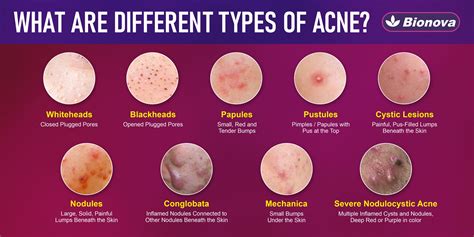
Best Spot Treatments for Blemishes
Several spot treatments are available that can effectively aid in the healing process of blemishes. Here are some commonly recommended options:
Salicylic Acid
Salicylic acid works by unclogging pores and reducing inflammation. It exfoliates dead skin cells, promoting the growth of new, healthy skin. However, excessive or frequent application can lead to skin dryness and flakiness.
Benzoyl Peroxide
Known for its antibacterial properties, benzoyl peroxide is effective in eliminating acne-causing bacteria. It also helps reduce inflammation and dry out the blemish. It is important to keep the skin properly hydrated when using benzoyl peroxide to avoid flaking.
Hydrocolloid Patches
Hydrocolloid patches are thin, adhesive patches applied directly onto the pimple. They absorb excess fluid from the blemish, speeding up healing and reducing redness. These patches are most effective on pimples that have come to a head, as they draw out pus. However, they can also help protect angry red bumps from bacteria and promote quicker healing.
How to Reduce Redness and Inflammation
When dealing with a particularly inflamed blemish, several steps can be taken to reduce redness and inflammation:
Maintain Cleanliness
Keeping the area clean is crucial to prevent further irritation and infection. Gently cleanse the area with a mild cleanser and pat it dry with a clean towel. Applying an occlusive moisturizer or a hydrocolloid patch over the clean blemish will help keep it sterile and contribute to faster healing.
Avoid Picking or Popping
Resist the urge to pick or pop the blemish, as this can worsen redness and cause additional damage. Allow the blemish to heal as naturally as possible.
Apply a Cold Compress
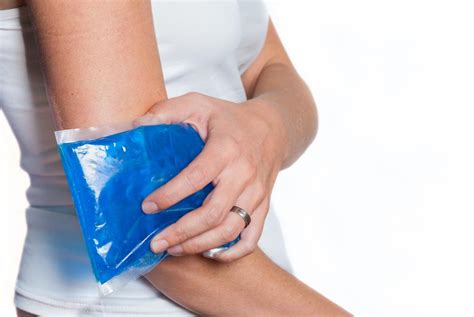
A cold compress, such as a clean ice pack, a cold cloth wrapped in a thin towel, or a clean frozen spoon, can help reduce redness and calm inflammation. Never apply ice directly to the skin to avoid potential burns.
How to Keep Your Skin Healthy and Prevent Breakouts
Prevention is key to maintaining healthy, blemish-free skin. Here are some essential tips:
Use a Gentle Cleanser
Choose a cleanser specifically formulated for your skin type. Avoid harsh ingredients that can strip the skin of its natural oils, leading to dryness and potential breakouts.
Know Your Skin Type
Understanding your skin type (oily, dry, combination, or sensitive) is crucial for selecting the right skincare products. Tailor your routine to meet your skin's unique needs to keep it calm and balanced.
Hydrate and Moisturize
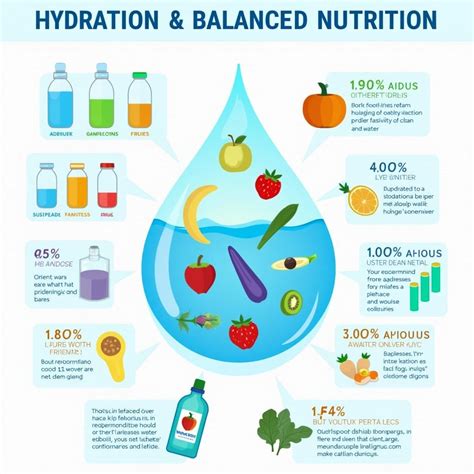
Keeping your skin hydrated is vital for maintaining its natural moisture barrier. Drink plenty of water daily and apply a non-comedogenic (non-pore-clogging) moisturizer in the morning and evening after cleansing to prevent dryness and flakiness.
When to Seek Help from a Skin Professional
In some cases, consulting an esthetician or dermatologist may be necessary to properly treat stubborn blemishes. Here are a few signs that indicate it's time to seek professional help:
Severe Acne Breakouts
If you are experiencing persistent and severe acne breakouts that do not respond to over-the-counter treatments, a professional can recommend other effective treatment options.
Unresponsive Blemishes
If you have tried various treatments without success, and the blemishes remain stubborn, it is best to consult a skin professional for a personalized treatment plan.
Open Wounds or Infection
If a blemish becomes an open wound or shows signs of infection, such as increased redness, swelling, or pain, seek immediate medical attention to prevent complications.
A dermatologist is a medical doctor who specializes in treating the skin, hair, and nails. If you have frequent blood-filled pimples or other acne problems, talk to your primary care provider or dermatologist. Several remedies are available over the counter and by prescription.