Struggling with stubborn blemishes that won't disappear? You're not alone. Whether it's a surprise pimple before an important event or lingering dark spots from previous breakouts, blemishes can significantly impact your confidence and self-image. While there's no true "overnight cure" for blemishes, following an effective routine can dramatically accelerate healing time and prevent future breakouts. This comprehensive guide explores evidence-based methods to address blemishes quickly while maintaining long-term skin health.
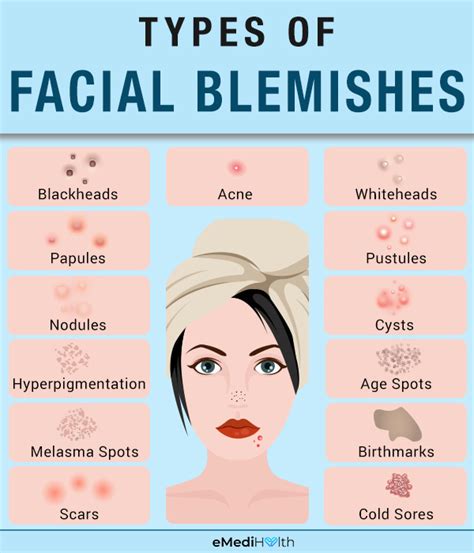
What Causes Skin Blemishes?
Blemishes develop through a complex interaction of factors that dermatologists have extensively studied. Knowing what's happening beneath your skin is the first step toward effective treatment.
Types of Blemishes and Their Causes
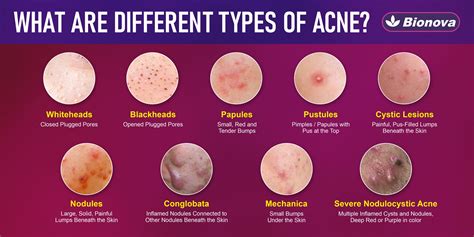
- Whiteheads & Blackheads: These appear as closed or open pores trapped with oil. Their primary cause is excess sebum and dead skin cells. Typical healing time with treatment is 2-7 days.
- Pustules & Papules: These are red, inflamed bumps, with or without pus. They are primarily caused by bacteria and inflammation, typically healing in 5-10 days.
- Cystic Acne: Characterized by deep, painful, and often large bumps, cystic acne stems from severe inflammation and hormonal influences. Healing can take 1-4 weeks.
- Hyperpigmentation: These are dark spots that appear post-breakout due to excess melanin production. Healing time for these marks can range from 3-6 months.
- Post-Inflammatory Erythema: Red or pink marks result from capillary damage caused by inflammation, typically fading over 2-3 months.
How to Get Rid of Blemishes Fast: Effective Treatment Strategies
Need quick results? A dermatologist-developed protocol can significantly reduce blemish appearance and healing time. Consistency is key to achieving clear, healthy skin.
1. Cleanse Without Stripping
Proper cleansing removes excess oil, bacteria, and environmental pollutants without disrupting your skin's protective barrier. For maximum effectiveness, wash twice daily using lukewarm water and choose a gentle cleanser. Avoid harsh scrubbing that can spread bacteria.
A gentle cleanser is crucial as part of your fast blemish remedies routine. It offers a gentle yet effective way to dissolve impurities while maintaining essential moisture, ideal for blemish-prone skin.
2. Apply Targeted Treatments with Clinically Proven Actives
Several ingredients have substantial research supporting their efficacy in fighting blemishes:
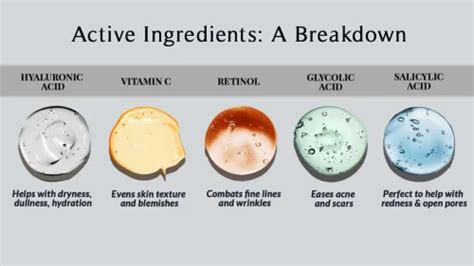
- Salicylic Acid (1-2%): This oil-soluble beta-hydroxy acid (BHA) penetrates deep into pores, dissolving excess sebum and exfoliating dead cells. It helps dissolve dead skin cells to prevent your hair follicles from clogging.
- Benzoyl Peroxide (2.5-5%): This over-the-counter product works by releasing oxygen into pores, killing acne-causing bacteria. It is most effective for inflammatory acne, with visible results often appearing within 48 hours. Lower concentrations and wash formulations are less irritating to your skin, though dryness is a common side effect.
- Niacinamide (5-10%): This form of vitamin B3 regulates oil production, strengthens the skin barrier, and reduces inflammation, making it ideal for sensitive, blemish-prone skin.
- AHAs (Glycolic & Lactic Acid): These water-soluble acids work primarily on the skin's surface to fade post-blemish marks and improve texture.
Pro tip: Spot treatments work best when applied at the very first sign of a blemish forming-that slight tenderness or redness before a full breakout occurs. You can use products designed to exfoliate and keep pores clear, or those that dissolve dead surface cells and fight uneven texture.
3. Hydrate Strategically
Contrary to popular belief, skipping moisturizer can make blemishes worse. When skin becomes dehydrated, it produces more oil to compensate, potentially leading to more clogged pores. Choose a lightweight, non-comedogenic moisturizer that contains humectants like hyaluronic acid or glycerin, incorporates calming ingredients like squalane or centella asiatica, and avoids pore-clogging ingredients.
Specialized moisturizers can hydrate blemish-prone skin while strengthening the moisture barrier and calming redness. Many users report clearer skin after consistent use.
4. Shield with SPF
UV exposure significantly darkens post-inflammatory hyperpigmentation, potentially making temporary marks permanent. Apply a broad-spectrum SPF 30+ every morning, reapplying every 2 hours when outdoors. This step is non-negotiable to prevent dark spots from becoming permanent.
5. Hands Off: Why Picking Is Your Skin's Worst Enemy
While a whitehead might seem ready to pop, dermatologists universally agree that extraction should be left to professionals. When you pick or squeeze blemishes, bacteria from your fingers can cause secondary infections, and pressure forces inflammation deeper into the skin. Pimple-popping tools can also damage your skin and should only be used by a healthcare provider, medical aesthetician, or dermatologist.
Instead, apply a cold compress for 5-10 minutes to reduce swelling and pain while accelerating healing.
Nonprescription and Prescription Medications for Pimples
Nonprescription medications can effectively treat milder cases of pimples. Some common over-the-counter options include:
- Azelaic Acid: Found in grains like barley, wheat, and rye, this natural acid kills microorganisms on your skin and reduces swelling.
- Benzoyl Peroxide: Available in products like Clearasil®, Stridex®, and PanOxyl®, it helps kill bacteria and reduce inflammation.
- Retinoids (Vitamin A Derivatives): Medications such as Retin-A®, Tazorac®, and Differin® help prevent clogged pores. Side effects like changes in skin color or peeling can occur; using them every other day or with a moisturizer can minimize these.
- Salicylic Acid: Available as a cleanser or lotion, it helps dissolve dead skin cells to prevent hair follicle clogging.
If pimples don’t improve with nonprescription medications, your healthcare provider may recommend prescription options, including antibiotics and oral hormone replacement therapies.
Other Therapies for Stubborn Blemishes
For more persistent or severe cases, other therapies may be beneficial:
- Chemical Peels: These use a mild chemical solution to remove layers of skin and reduce pimples.
- Laser Skin Resurfacing: This directs concentrated light beams at pimples to reduce oil production by the sebaceous glands.
- Microdermabrasion: A dermatologist or plastic surgeon uses a specialized instrument to exfoliate the top layers of skin, freeing clogs that cause pimples.
Important Note: Talk to your healthcare provider before trying these therapies, as they may be irritating and potentially worsen acne if not administered correctly.
Deep Cleansing Techniques for Acne - Blackhead Removal and Facial Care Routine
Home Remedies for Pimples
Several home remedies may help treat pimples. While generally safe, it's advisable to check with your healthcare provider before trying them, as allergic reactions are possible.
- Tea Tree Oil: Known for its antibacterial properties, a small amount applied with a cotton applicator can help prevent or stop bacterial growth.
- Sugar or Salt Scrubs: These physically exfoliate dead cells. Wet your face, apply the scrub to pimples, massage gently in circular motions for up to 30 seconds, and rinse.
- Green Tea: Wet green tea leaves can help reduce oil production and act as an antioxidant. Massage wet leaves into the skin and rinse.
- Warm Compress: Soaking a clean cloth in very warm water (around 95°F/35°C) and applying it to pimples increases blood flow, potentially speeding healing. Use three to four times daily.
- Ice: Applying an ice cube or ice pack (covered in a light towel) for at least 10 minutes can slow blood flow, reducing inflammation and pain. Use two to three times a day.
Understanding Blemish Timelines
Setting realistic expectations is crucial for successful blemish management. While results vary, here are typical timelines:
- Surface blemishes (whiteheads/blackheads): 2-7 days with proper treatment.
- Inflammatory pimples: 5-10 days to fully resolve.
- Cystic acne: 1-4 weeks, sometimes requiring professional intervention.
- Post-inflammatory hyperpigmentation: 3-6 months, though treatments can accelerate fading.
- Deeper scarring: May require professional treatments like micro-needling or laser therapy.
Pimples usually last between three and seven days and often go away on their own. Deep pimples, those under the skin with no head, may take a few weeks or longer to resolve. It’s better to see your healthcare provider at the first sign of persistent pimples and follow their treatment suggestions.
Diet and Blemish Prevention
While the research between diet and pimples isn't definitively clear, certain vitamins promote healthy skin, which may help prevent blemishes:
- Vitamin A: Found in leafy green vegetables, orange and yellow vegetables, tomatoes, fruits, fish, and liver.
- Vitamin D: Found in fatty fish (mackerel, salmon, trout, tuna) and fortified foods like dairy and nondairy milks, breakfast cereals, and orange juice.
- Vitamin E: Found in nuts, seeds, leafy green vegetables, and vegetable oils.
Poor nutrition leading to inflammation and oxidation can make you more prone to skin blemishes. Smoking also increases inflammation. Conversely, adequate water consumption is vital for skin health.
Managing Your Pimples and Preventing Future Breakouts
To manage pimples and avoid irritation:
- Avoid touching or picking at your pimples.
- Be careful around pimples while shaving.
- Regularly clean items that touch your face, such as your cell phone, sports helmets, sunglasses, clothing, and pillowcases.
When to See a Dermatologist
Consider professional help if:
- Blemishes persist despite 8-12 weeks of consistent home treatment.
- You experience deep, painful cystic acne.
- Scarring begins to develop.
- Breakouts spread beyond the face to the chest, back, or shoulders.
- Over-the-counter products cause irritation or allergic reactions.
Your doctor may recommend prescription-strength medications, topical treatments, or oral medications, depending on your age, the type and severity of your acne, and your willingness to commit to a treatment regimen. These treatments work by reducing oil production, swelling, or treating bacterial infections. Results from prescription medications may take four to eight weeks to become apparent.
Special Considerations
Acne During Adolescence
There is a misconception that acne in adolescence does not require treatment. However, early intervention is crucial. Delayed treatment can lead to deep acne (nodulocystic acne) that may leave permanent spots. Adolescents should avoid tampering with acne and take precautions against sun exposure.
Skin Blemishes During Pregnancy
During pregnancy, hormonal factors can lead to skin spots like melasma. Treatment during pregnancy is typically limited to sun protection. Treatment can commence after pregnancy, but melasma is a chronic condition that often recurs and may not be resolved with a single procedure.
Serious Blemishes and Skin Cancer
Some blemishes require serious attention. If a simple sunspot changes size, shape, or color, it is essential to consult a dermatologist. Not every blemish is simple; some can be a sign of skin cancer. If a serious problem is detected, a pathological examination may be necessary.
Risks of Uncontrolled Procedures
Procedures performed in non-expert hands, such as waxing, dermapen, or chemical peeling in beauty centers, can lead to much worse results and skin blemishes. It is recommended that procedures against skin blemishes be carried out by physicians who are experts in their field. Unconscious procedures can sometimes lead to irreversible results on the skin.