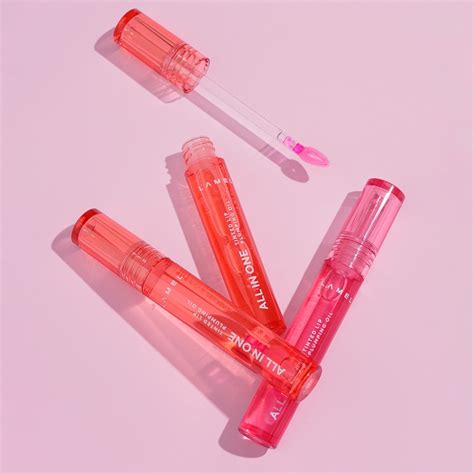
Many protective SPF lip products take the form of conditioning balms, but Brush On Block has created a Protective Lip Oil SPF 32 that promises to be even better than a lip gloss, perfect for providing that "your lips but better" look.
The protective lip product is full of replenishing ingredients designed to soothe, lock in moisture, and shield the delicate lip skin from environmental stressors with potent antioxidants. Beyond providing defense against UVA and UVB sun damage, this lip oil also offers protection from the blue light emitted by digital screens, which is known to accelerate the aging process.
The non-sticky lip oil delivers plenty of shine with a pleasing nude-colored tint. Its formula is proudly cruelty-free and vegan.
Understanding the SPF Ingredients
Lip oils with SPF rely on a combination of chemical and sometimes mineral filters to provide sun protection. Here's a breakdown of key ingredients found in SPF lip products:
Avobenzone
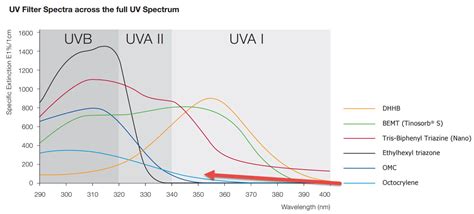
Avobenzone is a standout ingredient, recognized as the only globally available chemical sunscreen agent that provides effective UVA protection. It offers excellent coverage across the entire UVA range (310-400 nm), encompassing both UVA1 and UVA2, with peak protection at 360 nm. However, a notable challenge with Avobenzone is its photostability; it can degrade in sunlight. Studies indicate it can lose a significant portion of its UV-absorption capacity within an hour of sun exposure, which is why reapplication of sunscreen is crucial.
The cosmetic industry addresses this by combining Avobenzone with other UV filters that enhance its stability, such as octocrylene, Tinosorb S, or Ensulizole. Encapsulation is another method used. While these solutions help, they are not always perfect. It's also worth noting that combining Avobenzone with mineral sunscreens like titanium dioxide and zinc oxide is generally not recommended.
Regarding safety, Avobenzone boasts a favorable profile. It is considered non-irritating and, unlike some other chemical sunscreens, does not exhibit estrogenic effects.
Homosalate
Homosalate is an oil-soluble chemical sunscreen agent that protects the skin from UVB radiation (295-315 nm), with peak protection at 306 nm. While not a strong UV filter on its own, providing only SPF 4.3 protection at maximum, it is often used in formulations to boost overall SPF.
Concerning its safety profile, Homosalate has raised some questions. In-vitro studies have suggested potential estrogenic activity. It's important to remember that these studies were not conducted on humans under real-world conditions. However, for those who prefer a cautious approach, it may be advisable to be mindful when using Homosalate-containing sunscreens for long-term, full-body application.
Octinoxate (Ethylhexyl Methoxycinnamate)
Octinoxate is a colorless to light yellowish oily liquid that functions as a UVB sunscreen filter (280-320nm), with a peak absorbance at 306 nm. It is not a potent filter when used alone and is typically combined with other sunscreen agents to enhance SPF and help dissolve other solid UV filters. Octinoxate has a good safety profile and is permitted for use at a maximum concentration of 5% in both the US and Europe, with 10% allowed in Japan.
Octisalate (Ethylhexyl Salicylate)
Octisalate is an oil-soluble chemical sunscreen agent that provides protection in the UVB and partly in the UVA II range, with a peak absorption of 304 nm. Its protective capabilities are not strong enough on their own, but it is quite photostable, losing only 10% of its SPF protection in 95 minutes. Consequently, it is frequently used to stabilize other photo-unstable UV filters, such as Avobenzone.
Nourishing and Protective Botanical Ingredients
Beyond sun protection, SPF lip oils often include beneficial botanical ingredients to nourish and condition the lips:
Camellia Oil
Camellia oil is a beautiful golden-yellow oil derived from the Camellia tree, a plant native to Asia known for its spectacular white flowers. This oil is commonly used in its native regions as a cooking oil or salad dressing. For the skin, it acts as a superb emollient and moisturizing oil, particularly beneficial for dry skin.
Caprylic/Capric Triglyceride
Caprylic/Capric Triglyceride is a very common emollient that contributes to a smooth and pleasant skin feel. Derived from coconut oil and glycerin, it has a light texture, is clear, odorless, and non-greasy. It's a well-tolerated ingredient that feels good on the skin and is easy to incorporate into formulations.
Sunflower Seed Oil
Sunflower oil, extracted from the seeds of the sunflower, has a long history of use, with evidence suggesting American Indians used the plant and its oil over 5000 years ago. Similar to other plant oils, sunflower oil is an excellent emollient that smooths the skin and aids in hydration. It also helps protect the skin's surface and supports the repair of damaged or irritated skin barriers. It is rich in fatty acids, primarily linoleic (50-74%) and oleic (14-35%). The unrefined version is particularly high in linoleic acid, making it suitable even for acne-prone skin.
Jojoba Oil
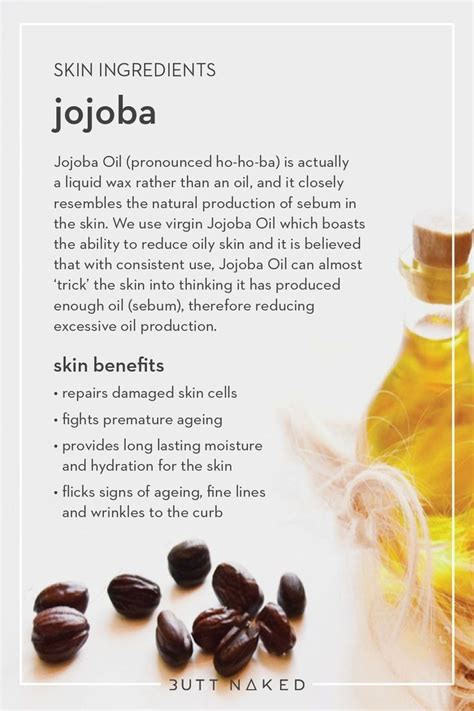
Jojoba oil is a natural emulsifier that imparts a soft, powdery feel to formulations. This oil is derived from the seeds of the jojoba shrub, native to southwestern North America. Chemically, jojoba oil is a wax ester, not a triglyceride like most other oils. Wax esters are found on the surface of plant leaves and provide environmental protection. This unique composition makes jojoba oil exceptionally stable, even when subjected to high temperatures. Furthermore, it is highly similar to human sebum (also a wax ester), making it completely miscible with the skin's natural oils.
Tocopherol (Vitamin E)
Tocopherol, commonly known as Vitamin E, is the most frequently used form of pure vitamin E in cosmetics. It functions as a powerful antioxidant, helping to protect the skin from free radical damage.