Dry scalp can stem from various factors, with the most frequent culprits being reactions to weather changes or harsh ingredients found in hair care products. Regardless of the underlying cause, a range of at-home treatments can effectively address dryness and discomfort.
Causes and Specific Treatments for Dry Scalp
The appropriate treatment and its duration are contingent upon the specific cause of dry scalp. Below are potential treatments tailored to different conditions that can lead to scalp dryness:
Dermatitis
For dermatitis affecting the scalp, treatments may include:
- Salicylic acid
- Dandruff shampoos
- Prescription medications such as corticosteroids, antihistamines, emollients, and biologics.
Scalp Psoriasis
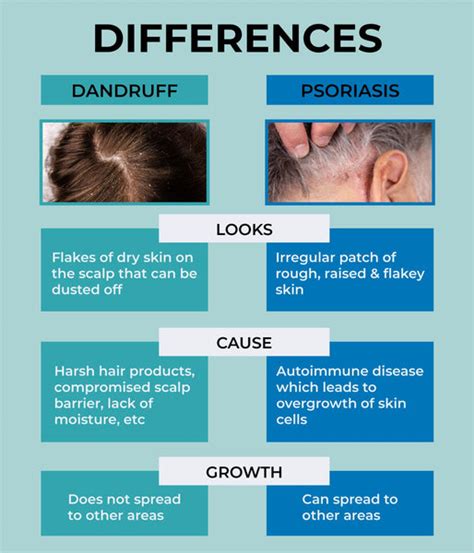
Scalp psoriasis contributes to dryness due to the accumulation of skin cells characteristic of this chronic condition. In addition to corticosteroids, salicylic acid, and medicated shampoos, a doctor might prescribe:
- Calcipotriene (Sorilux, Dovonex)
- Tazarotene (Tazorac)
- Coal tar
- Light therapy
- Biologic medications
Dandruff
Dandruff, existing in various forms, can manifest as a dry scalp. Relief is typically achieved through the use of dandruff shampoos, available both over-the-counter and by prescription if medicated. It is crucial to adhere to the specific instructions for each shampoo, including the duration it needs to remain on the scalp. Consulting a dermatologist is recommended to determine the most suitable treatment.
A recent study in 2021 explored the efficacy of a novel ointment containing probiotics, honey, turmeric, and vitamin B12. Based on the premise that skin issues could be linked to disruptions in the gut microbiome, the research indicated that the ointment helped reduce both dandruff and scalp dryness.
Other Contributing Factors
Beyond these common health conditions, scalp dryness can arise from dehydration, exposure to cold air, hot water, artificial heat sources like central heating, and chemical cleaning products. The treatment for these external factors depends on the severity of the dryness. If it substantially impacts daily life or is accompanied by more severe symptoms like burning, medical attention is advised.
Less common causes of dry scalp include:
- Tinea capitis (scalp ringworm): This requires antifungal medication.
- Actinic keratoses (AKs): These may necessitate removal.
Natural Remedies for Dry Scalp Relief
Several natural remedies can offer relief for a dry scalp:
- Coconut oil: Known for its moisturizing properties, coconut oil also possesses antifungal and antibacterial benefits that can help prevent infections. Research suggests it may significantly aid in treating atopic dermatitis.
- Tea tree oil: With potent antiseptic, antifungal, and antibiotic qualities, tea tree oil can alleviate dry scalp symptoms. Its inclusion in many dandruff shampoos attests to its effectiveness.
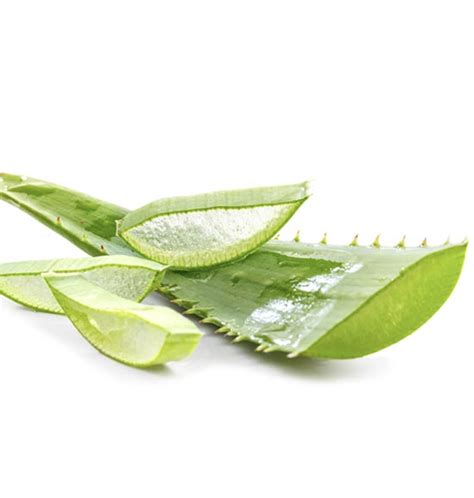
- Aloe vera: This plant offers anti-inflammatory properties to reduce skin irritation and acts as an effective moisturizer.
- Apple cider vinegar: Its antimicrobial nature helps combat bacteria or fungi that cause itchiness. It is also anti-inflammatory and aids in scalp exfoliation.
- Witch hazel: Commonly found in anti-itch products for dry, sensitive skin, witch hazel can decrease inflammation contributing to scalp dryness and offers soothing astringent properties.
- Baking soda and olive oil: This combination provides moisture from olive oil and antifungal/antibacterial benefits from baking soda, making it suitable for dry scalp with dandruff.
- Bananas: Mashed bananas are highly moisturizing, serving as an excellent treatment for dry scalp and dandruff.
- Yogurt and eggs: Yogurt is soothing and exfoliating, while the fat and protein in eggs nourish and protect the scalp from free radical damage.
- Jojoba oil: An effective moisturizer, jojoba oil can quickly relieve dry scalp and possesses anti-inflammatory properties beneficial for scalp conditions.
- Avocado: Rich in monounsaturated and polyunsaturated fatty acids, avocado moisturizes and protects the skin. It can be applied topically or consumed.
Risks and Side Effects of Home Remedies
Treating dry scalp with home remedies is generally considered safe. However, when using essential oils like tea tree oil, it's imperative to dilute them with a carrier oil (e.g., coconut or olive oil) before massaging into the scalp and leaving for 10 minutes before washing. Using coconut or olive oil as a carrier can provide additional benefits.
Before applying any new product, especially essential oils, perform a patch test on the inside of your wrist to check for allergic reactions. Essential oils are not consistently monitored for purity or quality, so exercising caution when selecting a brand is advised.
Potential Complications of Persistent Dry Scalp
Dry scalp can be bothersome not only for its cosmetic effects but also due to the potential for visible hair loss, often resulting from persistent scratching. Excessive scratching can lead to soreness or open wounds, which, if untreated, may become inflamed or infected. If you notice any sores or wounds, consult a doctor before applying any oils or home remedies, as they could exacerbate the irritation.
Treating Dry Scalp in Infants (Cradle Cap)
Cradle cap typically resolves on its own, but specific home remedies can assist:
- Gently apply mineral oil, baby oil, or olive oil to the baby's scalp before shampooing.
- Use a baby-specific anti-dandruff shampoo containing pyrithione zinc or selenium sulfide. Shampoos with salicylic acid are not recommended for infants.
- With a doctor's approval, apply over-the-counter hydrocortisone cream to alleviate inflammation and itchiness.
If a baby's dry scalp is due to another condition like eczema, specific prescription medications may be required.
General Hair Care Adjustments
Adjusting the frequency of hair washing can also help manage dry scalp. Many common kitchen ingredients can be applied directly to the scalp for relief, including:
- Apple cider vinegar
- Baking soda
- Olive oil
- Bananas
- Yogurt
- Eggs
- Avocado
Apple cider vinegar, in particular, offers antimicrobial properties to combat itch-causing agents and provides anti-inflammatory benefits while aiding in scalp exfoliation.
When to Seek Professional Help
While dry scalp is often uncomfortable, it is highly treatable. Many cases improve with changes to hair care products or routines, and home remedies can accelerate this process. If home remedies do not yield results within two weeks, it is advisable to consult a doctor to rule out any underlying health conditions that may require prescription treatment.
How To: Coconut Oil Hair Mask Tutorial!
Exploring Hair Masks for Scalp Health
Hair masks offer a deep-conditioning treatment designed to target specific hair concerns, including dryness. These nutrient-rich formulas often contain ingredients like hydrating oils, strengthening proteins, or soothing botanicals to revitalize hair and scalp. Unlike regular conditioners, hair masks provide more concentrated care.
Types of Hair Masks for Various Needs
- Color Protecting Hair Masks: Designed to maintain hair color vibrancy.
- Heat Protecting Hair Masks: Help shield hair from heat damage.
- Curly Hair Masks: Formulated to enhance curl definition and hydration.
- Hydrating hair masks for dry hair: Look for ingredients like argan oil, shea butter, and hyaluronic acid to lock in moisture and restore softness.
- Hair masks for damaged hair: Masks with keratin, biotin, and ceramides strengthen and repair hair affected by heat or chemical treatments.
- Hair masks for split ends: Often contain nourishing oils like coconut or avocado to smooth and seal split ends, with added proteins to prevent breakage.
- Hair masks for fine hair: Lightweight formulas with ingredients such as rice protein or panthenol add volume and hydration without heavy residue.
- Hair masks for oily hair: Masks with charcoal and tea tree oil help purify the scalp by absorbing excess oil, leaving hair clean and refreshed.
How to Use a Hair Mask
To effectively use a hair mask, begin by selecting one suited to your hair's needs. Apply it to clean, damp hair, concentrating on the mid-lengths and ends. Gently massage for even distribution. Adhere to the product's instructions for leave-on time, typically 5â20 minutes. For enhanced results, cover your hair with a shower cap or a warm towel. Rinse thoroughly afterward.