Textiles with UV protection effectively shield the skin from harmful sun radiation, also known as UV rays. When suitable materials and designs are employed, they offer particularly robust protection against more intensive solar radiation. The primary means of achieving this protection lies in the selection of the correct material and the appropriate design of clothing or shading devices.
Beyond the material and design, it is crucial to consider the conditions of use, the extent of body coverage, and the age of the material. This is because every skin type reacts differently to solar radiation, and consequently, the skin's natural self-protection time varies significantly.
Understanding Skin Sensitivity and UPF
To illustrate the varying sensitivity of different skin types, let's consider an example using a textile with a Ultraviolet Protection Factor (UPF) of 20:
Very Fair Skin:
- Characterized by red or blonde hair, and blue eyes.
- Prone to severe and painful sunburns.
- Self-protection time of skin: 5-10 minutes.
- Protection with a textile of UPF 20: Approximately 100-200 minutes (1-3 hours).
Pale Skin:
- Typically has blonde or brown hair, and blue, green, or grey eyes.
- Frequently experiences severe and painful sunburns.
- Self-protection time of skin: 10-20 minutes.
- Protection with a textile of UPF 20: Approximately 200-400 minutes (3-6 hours).
Light Brown Skin:
- Features light brown or brown hair, and green or brown eyes.
- Rarely experiences moderate sunburns.
- Self-protection time of skin: 20-30 minutes.
- Protection with a textile of UPF 20: Approximately 400-600 minutes (6-10 hours).
Brown to Olive Skin:
- Has dark brown or black hair, and brown eyes.
- Almost never burns.
- Self-protection time of skin: 40 minutes.
- Protection with a textile of UPF 20: Approximately 800 minutes (around 13 hours).
Very Fair Skin (reiteration for clarity):
- Can have all hair and eye colors.
- Burns very quickly.
- Self-protection time of skin: 5-10 minutes.
- Protection with a textile of UPF 20: 100-200 minutes.
Regulatory Standards and Consumer Assurance
Depending on specific requirements, textile products can achieve UV protection factors of up to UPF 80. The European Union has recognized the importance of protecting skin and eyes from the harmful UV-A and UV-B rays emitted by the sun. Regulation (EU) 2016/425 on personal protective clothing mandates that clothing which claims to protect the human body from critical UV rays must bear a CE mark. This ensures consumers that they are purchasing a proper and reliable product, safeguarding both their well-being and compliance with regulations.
The Role of the UV Index and UPF
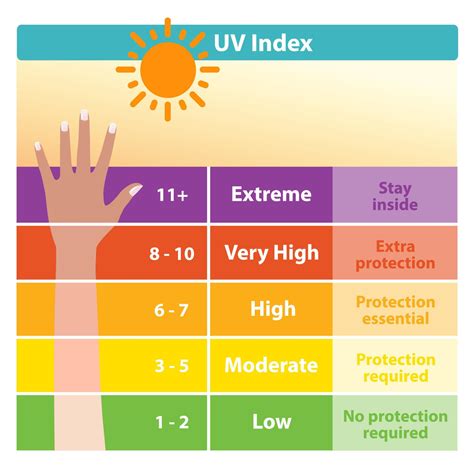
The UV index (UVI) provides valuable information to consumers regarding the necessity of sun protection. It is an internationally standardized measure of the solar irradiance that can cause sunburn, generally representing the strongest solar radiation at midday.
Since the UV protection factor (UPF) is not visually or tactilely discernible on textiles, independent tests and certifications are conducted based on international standards. These certifications allow manufacturers to advertise the resulting UPF, often through labels like the Hohenstein label on the garment.
The UV protection factor (UPF) quantifies how much longer a user of sun-protective textiles or UV-protective clothing can remain in the sun without experiencing skin damage. For certified products, a supplementary UV STANDARD 801 hangtag can be provided, offering additional details on textile UV protection.
Innovative Fabric Protection Solutions
Several innovative products and technologies are available to enhance fabric protection against UV radiation.
U-V-Block: Fabric-Applied UV Protection
U-V-Block offers an unscented solution applied directly to clothes, rather than the skin. It addresses the issue that ultraviolet rays can affect skin even under clothing, particularly with lighter-colored garments. U-V-Block transforms ordinary fabrics into ultraviolet barriers, providing an alternative to frequent sunscreen application. Unlike temporary, greasy, and perspiration-prone sunscreens, U-V-Block acts as a permanent UV absorber, preventing damaging rays from penetrating clothing. A single application can significantly increase the UPF of a thin cotton t-shirt, making it effective both wet and dry. This permanent treatment can also be used on sun umbrellas and stroller shades.
Organic SunGard-ZERO®: Protecting Furnishings
Organic SunGard-ZERO® is designed to protect fabrics from the fading and deterioration caused by sunlight, making it suitable for home, hotel, office, or outdoor-adjacent spaces. Natural fibers such as silk, linen, cotton, viscose, rayon, and sheers are particularly susceptible to UV exposure, which leads to fiber degradation and weakening over time. This treatment helps these vulnerable materials withstand natural light.
Marine 31 T-Top Fabric Protectant with SunBlock: Marine Applications
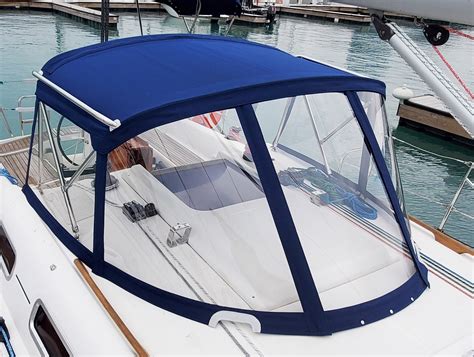
For marine environments, Marine 31 T-Top Fabric Protectant with SunBlock offers superior UV protection for both exterior and interior marine fabric surfaces, including bimini tops. Utilizing SunBlock technology, a blend of proprietary UV absorbers and Ciba Tinuvin UV Blockers, this protectant helps treated surfaces maintain their color and texture while repelling dirt, dust, oil, grease, acid rain, salt, and bird droppings. Regular application resists UV-induced fading, cracking, and discoloration, extending the lifespan of essential boat fabrics like bimini tops, sailboat dodgers, fender covers, and more. It creates a durable, clear protective barrier that repels common stains and causes water to bead and roll off, taking dirt with it.
Protecting Synthetic Outdoor Gear
For enthusiasts who spend significant time outdoors, protecting synthetic gear from UV damage is a key concern. While some materials like polyester fleece and wool are inherently more resistant to sunlight, others, such as nylon, urethane coatings, and Kevlar, are more sensitive.
When applying UV treatments to rain gear, it's important to be aware that these can interfere with the Durable Water Repellent (DWR) coating. DWR coatings primarily prevent water from sticking to the fabric's surface, rather than waterproofing it entirely. Some treatments might degrade DWR performance. It is advisable to look for DWR coatings that also offer UV protection or to use UV treatments specifically designed not to compromise breathability or waterproofing.
For synthetic fibers like polyester and merino, the goal is often to shield the fabric from UV degradation without adding waterproofing or reducing breathability. While white fabrics naturally reflect more UV radiation, specialized treatments are sought to protect the integrity of darker, synthetic materials.
One approach involves using treatments like McNett's UV Tech, which is marketed for non-fabric materials but has been considered for synthetic textiles. The aim is to prevent fabrics from becoming brittle and fragile due to prolonged UV exposure, especially for gear like windshirts, pants, and shells used extensively in outdoor conditions.
Revivex UV Protectant by GEAR AID
tags: #sun #protection #for #fabric