Consumers seeking a tanned appearance without direct sun exposure or artificial UV sources have a range of cosmetic products available to them. The U.S. Food and Drug Administration (FDA) has addressed consumer inquiries regarding these products. While the FDA does not officially define "sunless tanner," the term generally refers to products that impart a tanned look without the use of the sun or other UV radiation. Similarly, "bronzer" lacks a formal FDA definition and is often used for products providing a temporary tanned appearance, such as tinted moisturizers and brush-on powders that wash off.
The Federal Food, Drug, and Cosmetic Act (FD&C Act), specifically Section 721, grants the FDA authority to regulate color additives, excluding coal-tar hair dyes, along with their applications and restrictions. These regulations are detailed in Title 21 of the Code of Federal Regulations (21 CFR), starting at Part 70. A color additive is deemed unsafe if it is not permitted by regulation or is used in a manner inconsistent with its authorizing regulations.
Dihydroxyacetone (DHA) is listed in FDA regulations as a color additive permitted for imparting color to the human body. However, its use in cosmetics, including sunless tanning products, is restricted to external application, as defined in 21 CFR 73.2150. According to 21 CFR 70.3v, "externally applied" cosmetics are those applied only to the external parts of the body and not to the lips or any body surface covered by mucous membrane. Furthermore, color additives are only permitted for use in products intended for the eye area if specifically authorized by regulation (21 CFR 70.5a), and DHA is not permitted for such use.
The regulations specifying DHA as a color additive also mandate adherence to strict purity specifications, including limitations on volatile matter. For instance, volatile matter must not exceed 0.5 percent when measured under specific temperature and pressure conditions. If any of these conditions are not met, the consumer may not be protected from the unapproved use of this color additive.

DHA is approved for external application to the human body, aligning with the intended use of sunless tanning products. The FD&C Act does not grant the FDA authority to approve cosmetic products or their ingredients, with the exception of color additives that are not coal-tar hair dyes. The responsibility for ensuring the safety and proper labeling of marketed cosmetics lies with the firms and individuals who produce them. The FDA has the authority to take action against those who violate the law.
Sunscreen Protection: A Crucial Addition
It is important to understand that sunless tanners and bronzers may or may not offer protection from the sun. Only those sunless tanning products that contain sunscreen ingredients and are clearly labeled with a Sun Protection Factor (SPF) number can provide sun protection. Products that do not contain sunscreen are often accompanied by a warning: "This product does not contain a sunscreen and does not protect against sunburn."
Sunscreens are regulated as over-the-counter drugs unless they are used in a product for purposes other than consumer protection from the sun, such as preventing product fading. Cosmetic products marketed with sun protection claims, such as makeup labeled with SPF numbers, are regulated as both drugs and cosmetics.
The FDA has received reports of adverse events associated with sunless tanning, including skin rashes. In the case of spray tanning booths, some consumers have reported coughing, dizziness, and fainting.
Under the Fair Packaging and Labeling Act (FPLA), the FDA requires ingredient declarations on cosmetics sold directly to consumers. This allows consumers to identify the ingredients in the products they purchase and to avoid those to which they may have sensitivities.
The Safety of Self-Tanners vs. UV Exposure
Self-tanner is considered a much safer alternative to achieving a tanned appearance compared to UV exposure from the sun or tanning beds. While the goal is often a bronzed glow, it is crucial to remember that self-tanners do not provide protection against harmful UV rays. Therefore, applying sunscreen is an essential step in preventing skin aging and skin cancer, alongside avoiding direct sun exposure.
Self-tanners work through the topical application of an active ingredient, typically dihydroxyacetone (DHA). DHA reacts with the amino acids in the skin's outermost layer, causing a temporary darkening that creates the illusion of a tan. Self-tanners are available in various forms, including lotions, sprays, liquids, mousses, and drops.
Preparing Your Skin for Self-Tanner
Before applying self-tanner, exfoliating the skin is recommended. This process helps remove dead skin cells, supporting the skin's natural shedding process and contributing to a more even application of the sunless tan, preventing blotchiness.
Moisturizing the skin before self-tanning can also enhance the smoothness and evenness of the application. Well-moisturized skin helps the self-tanner glide on more smoothly, potentially resulting in a more natural-looking and even bronze. Dry or flaky skin may absorb the tanner unevenly and cause the tan to fade prematurely.
Tips for Even Self-Tanner Application
- Exfoliate areas prone to dead skin cell buildup, such as elbows, around cuticles, and ankles, to ensure a smooth canvas.
- Shaving legs shortly before self-tanner application can also aid in removing dead skin cells.
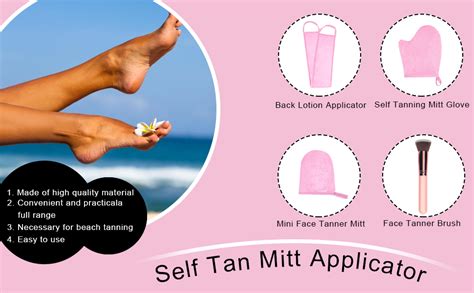
- Utilize an applicator mitt for a more even and consistent result.
- If going outdoors after applying self-tanner, remember to apply SPF.
- Self-tanning towelettes are convenient for quick application when on the go.
The Indispensable Role of Sunscreen
Even when using self-tanners for a "no-sun glow," it remains imperative to use sunscreen. Self-tanners are a beneficial alternative to tanning beds and sun exposure but do not offer UV protection. Always apply sunscreen and reapply it regularly, ideally every two hours, especially when outdoors, even on cloudy days. If swimming, reapply sunscreen immediately after drying off.
Sun damage can affect all skin tones and types and can exacerbate existing skin conditions, such as dryness. Allowing sunscreen 15 minutes to absorb into the skin before sun exposure is recommended, and ensuring it is broad-spectrum to protect against both UVA and UVB rays is crucial.
Benefits of Sunscreen Use
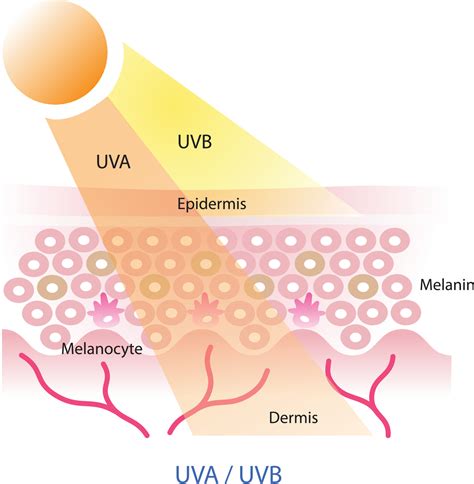
- Protection from Harmful UV Rays: Sunscreens shield the skin from ultraviolet A (UVA) and ultraviolet B (UVB) rays. UVA rays are primarily linked to skin aging, while UVB rays are the main cause of sunburn and redness.
- Reduced Risk of Skin Cancer: Regular sunscreen use significantly lowers the risk of developing skin cancer.
- Prevention of Premature Aging: Sunscreens help prevent wrinkles, sunspots, and other signs of aging accelerated by sun exposure.
- Prevention of Sunburns: Consistent sunscreen application is key to avoiding the discomfort and damage associated with sunburns.
Sunscreen Scientific Animation (MOA) - Infuse Medical
Types of Sunscreen
There are two main types of sunscreen:
- Physical (Mineral) Sunscreens: These use natural ingredients like zinc oxide and/or titanium dioxide to reflect UV rays away from the skin.
- Chemical Sunscreens: These absorb UV rays, converting them into heat that is then released from the skin. Common ingredients include octisalate, homosalate, oxybenzone, and avobenzone.
Most experts recommend broad-spectrum sunscreens with an SPF of at least 30 for effective protection. The SPF number indicates the level of protection against sunburn. For optimal effectiveness, sunscreen should be applied according to its instructions and ideally not mixed with other products, as this can dilute its efficacy and lead to uneven application.
Applying Sunscreen and Self-Tanner
To ensure maximum effectiveness, avoid mixing sunscreen with other products. Instead, apply sunscreen as a base layer first and allow it to absorb fully into the skin before applying self-tanner or makeup. For those who prefer to apply self-tanner at a different time, it is advisable to apply it at least a few hours, or preferably the night before, applying sunscreen if outdoor exposure is planned.
In summary, self-tanners offer a safer way to achieve a tanned appearance without the risks of UV radiation. However, they do not provide sun protection. A consistent daily sunscreen habit, using a broad-spectrum sunscreen with an SPF of 30 or higher, is essential for protecting the skin from sun damage, premature aging, and skin cancer, regardless of whether one uses self-tanner.