The U.S. Food and Drug Administration (FDA) plays a crucial role in regulating sunscreen products to ensure their safety and effectiveness in protecting against the sun's harmful ultraviolet (UV) rays. These regulations encompass rigorous testing requirements for Sun Protection Factor (SPF) levels, broad-spectrum protection against UVA and UVB rays, water resistance claims, and detailed labeling guidelines. Manufacturers are mandated to adhere to stringent testing protocols to validate their product's efficacy and safety before their products can be marketed to consumers.
Sunscreens are classified by the FDA as over-the-counter (OTC) drug products. This classification necessitates more stringent safety, stability, compatibility, and efficacy testing compared to cosmetic products like skincare and makeup. The FDA's UV filter OTC Monograph outlines the active sunscreen ingredients and the conditions under which they can be marketed without requiring an FDA pre-market approval, provided they meet specific criteria and are deemed Generally Recognized as Safe and Effective (GRASE).
Recent Regulatory Developments and the CARES Act
While the FDA has monitored and regulated sunscreens and their ingredient profiles for decades, recent developments have led to reevaluations of these regulations. In recent years, the FDA has taken steps to modernize sunscreen regulations to address concerns over ingredient safety and efficacy. This includes evaluating the safety of commonly used sunscreen ingredients and proposing new regulations to assess their potential risks better. Additionally, the FDA has proposed updates to sunscreen labeling requirements to provide consumers with clearer information about product ingredients and usage instructions.
A significant development occurred on March 27, 2020, with the enactment of the Coronavirus Aid, Relief, and Economic Security Act (CARES Act). This act included statutory provisions to reform and modernize the regulation of OTC monograph drugs in the United States. Specifically, the CARES Act amended the Federal Food, Drug, and Cosmetic (FD&C Act) to replace the traditional monograph rulemaking process with an administrative order process for issuing, revising, and amending OTC monographs. This administrative order process provides the FDA with new tools to adapt OTC Monographs as scientific understanding evolves, innovation progresses, new data becomes available, or emerging safety signals arise.
Deemed Final Order and Proposed Order for Sunscreens
As part of its implementation of new authorities for certain OTC drugs, the FDA took steps on September 24, 2021, aimed at improving the quality, safety, and efficacy of sunscreens. The FDA posted the deemed final order for sunscreens, which establishes the current requirements for marketing OTC sunscreen products. Shortly after, the FDA also posted a proposed order for sunscreens to amend and revise this deemed final order, reflecting the FDA’s proposed requirements for OTC sunscreen products for the future.
Understanding the Deemed Final Order and Proposed Order
The deemed final order came into existence by operation of law on March 27, 2020, through the enactment of the CARES Act. It establishes the current monograph for OTC sunscreen products. As established by the CARES Act, this order consists of the requirements specified in the 1999 stayed (not in effect) final monograph for OTC sunscreen products, with the exception of requirements governing labeling and effectiveness, which are described in a final labeling and effectiveness testing rule for sunscreens published in 2011. The FDA believes that most sunscreens currently on the market are in compliance with this order.
The proposed order sets out the FDA’s proposed revisions to the deemed final order, outlining the agency’s proposed requirements for OTC sunscreen products moving forward. The FDA is using this proposed order as a mechanism to efficiently transition its ongoing consideration of appropriate requirements for OTC sunscreens from the previous rulemaking process to the order process created by section 505G of the FD&C Act. The scientific standards for making a GRASE determination have not changed, meaning the proposals in the proposed order are substantively similar to those issued in the 2019 proposed rule.
Key Differences Between the Deemed Final Order and the Proposed Order
There are several notable differences between the current requirements outlined in the deemed final order and the proposed future requirements in the proposed order:
-
Maximum SPFs: The deemed final order does not include a limit on maximum SPF values. In contrast, the proposed order suggests that the maximum labeled SPF value should be SPF 60+, while permitting the marketing of products formulated with SPF values up to 80.
-
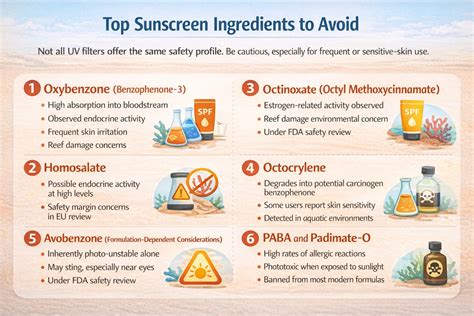
Active Ingredients: The deemed final order considers 16 sunscreen active ingredients to be GRASE, consistent with the 1999 monograph. Based on new data and changed conditions, the proposed order proposes GRASE status for sunscreens containing zinc oxide and titanium dioxide. It proposes that sunscreens containing aminobenzoic acid (PABA) and trolamine salicylate are not GRASE due to safety issues. Furthermore, sunscreens containing cinoxate, dioxybenzone, ensulizole, homosalate, meradimate, octinoxate, octisalate, octocrylene, padimate O, sulisobenzone, oxybenzone, and avobenzone are proposed as not GRASE because additional data is needed to confirm their GRASE status.
-
Broad Spectrum Requirements: While the deemed final order does not mandate broad spectrum testing but creates an optional broad spectrum labeling claim, the proposed order aims to address the harms associated with UVA exposure. It proposes a requirement that all sunscreens with SPF values of 15 and above must satisfy broad spectrum requirements, including a proposed new requirement for products to meet a UVA I / UV ratio of 0.7 or higher.
-
Dosage Forms: The deemed final order does not address the GRASE status of sunscreens in specific dosage forms, other than oils, lotions, creams, gels, butters, pastes, ointments, sticks, sprays, or powders, which require an approved application. The proposed order identifies oils, lotions, creams, gels, butters, pastes, ointments, and sticks as GRASE for use in sunscreens. Spray sunscreens are proposed as GRASE, subject to testing and labeling requirements, while powder sunscreens require additional data to determine GRASE status.
-
Labeling: The deemed final order adheres to labeling requirements in effect since 2011. The proposed order suggests adding certain information to the main product label, including an alphabetical listing of active sunscreen ingredients followed by "Sunscreen" and the product's dosage form. For products not shown to help prevent skin cancer or early skin aging, an asterisk would direct consumers to a "Skin Cancer/Skin Aging alert" on the label.
-
Final Formulation Testing and Recordkeeping: The deemed final order does not cover recordkeeping. The proposed order mandates the maintenance of records for required final formulation testing of sunscreen products for one year after the product expiration date, or three years after the distribution of the last lot if the product is exempt from expiration dating. It also proposes requiring responsible persons to keep records of sunscreen formulation testing, making these records subject to FDA inspection.
-
Sunscreen-Insect Repellent Combinations: The deemed final order does not address these combinations. The proposed order classifies them as not GRASE because incompatibilities between FDA and EPA labeling requirements prevent sufficient assurance of safe and effective use of the sunscreen component and adequate directions for use.
The GRASE Status of Active Ingredients
The FDA is actively reviewing the active ingredients in sunscreen products to determine if they are generally recognized as safe and effective (GRASE) for OTC sunscreen use. This review, as outlined in the proposed order, applies only to sunscreen active ingredients listed in the 1999 stayed final monograph.
Proposed GRASE Categories for Sunscreen Ingredients:
| GRASE* for use in sunscreens | Not GRASE for use in sunscreens because of safety concerns | Not GRASE for use in sunscreens because additional data needed |
|---|---|---|
| Zinc oxide and titanium dioxide | Aminobenzoic acid (PABA) and trolamine salicylate | Cinoxate, dioxybenzone, ensulizole, homosalate, meradimate, octinoxate, octisalate, octocrylene, padimate O, sulisobenzone, oxybenzone, avobenzone |
*GRASE = Generally Recognized as Safe and Effective, when also in conformity with all other applicable requirements.
FDA's review of publicly available evidence found sufficient safety data on zinc oxide and titanium dioxide (at concentrations up to 25%) to support a proposal that sunscreen products containing these ingredients are GRASE. Conversely, the evaluation of safety data for aminobenzoic acid (PABA) and trolamine salicylate led to a tentative conclusion that the risks associated with these active ingredients outweigh their benefits. For trolamine salicylate, these risks include potential for serious bleeding and salicylate toxicity. For PABA, the risks involve significant rates of allergic and photoallergic skin reactions. Because the public record lacks sufficient data for cinoxate, dioxybenzone, ensulizole, homosalate, meradimate, octinoxate, octisalate, octocrylene, padimate O, sulisobenzone, oxybenzone, or avobenzone, the FDA is proposing that these ingredients are not GRASE due to the need for additional data.
How Sunscreens Are Regulated by the FDA
Testing and Labeling Requirements
The FDA mandates specific testing procedures to ensure the safety and efficacy of sunscreen products. The Sun Protection Factor (SPF) value indicates the level of sunburn protection provided. All sunscreens must be tested to measure the amount of UV radiation exposure that causes sunburn with the sunscreen compared to without it. UV radiation includes both UVA and UVB radiation.
SPF values primarily indicate a sunscreen's UVB protection. Higher SPF values offer greater sunburn protection. It is important to note that SPF is not directly related to time of solar exposure but to the amount of solar exposure, which varies based on factors like time of day, geographic location, and latitude.
Broad spectrum sunscreens protect against both UVA and UVB radiation. It is crucial to look for this description on the label, as not all sunscreens are broad spectrum. The FDA requires sunscreens that are not broad spectrum or that lack an SPF of at least 15 to carry a warning on their Drug Facts label regarding the increased risk of skin cancer and early skin aging associated with sun exposure.
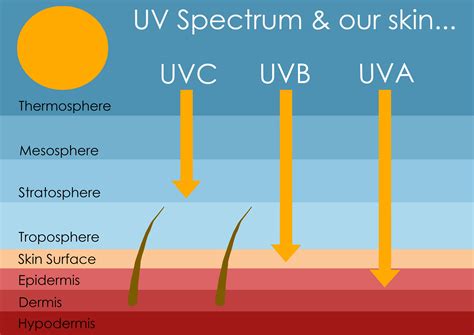
To ensure standardized reporting and define a product's SPF value, the application of the product is expressed on a weight basis per unit area, establishing a standard film. Both the test sunscreen product and the standard sunscreen application are required to be 2 milligrams per square centimeter. The testing procedures for determining the SPF value involve laboratory validation using a standard sunscreen and a calibrated solar simulator that mimics sunlight's continuous emission spectrum from 290 to 400 nanometers.
The determination of the Minimum Erythema Dose (MED) involves exposing test subjects to controlled doses of UV radiation. The MED is the smallest dose of energy that produces redness reaching the borders of the exposure site 22 to 24 hours after exposure. Testing depends upon determining this MED for both unprotected skin (control site) and skin protected by the sunscreen product.
Public Comment and Future Outlook
The FDA has established a 45-day comment period for the proposed order, providing an opportunity for the public to submit information that has become available since the closure of the comment period on the 2019 proposed rule. The agency will consider all comments submitted to the public docket for the 2019 proposed rule as constructively submitted for this proposed order. Commenters are asked not to resubmit comments already provided.
The CARES Act does not establish a deadline for the finalization of the proposed order. However, it specifies that a final order cannot go into effect sooner than one year after its issuance. When issued, any final order will include information regarding implementation and the effective date.
The sunscreen industry may see a shift in consumer purchasing towards products containing only the two GRASE active ingredients, zinc oxide and titanium dioxide. However, many brands currently utilize other active ingredients that are not yet deemed GRASE. Companies and consumers will await the FDA's decisions regarding these ingredients. Industry stakeholders can advocate for non-animal testing methods and engage with organizations like PETA to influence regulatory decisions. Historically, the FDA's process for publishing final decisions can be lengthy, adding complexity for brands that need to prepare for various outcomes.
tags: #sunscreen #fda #regulations