Eczema, a common skin condition characterized by dry, itchy, and inflamed patches, affects millions worldwide. While numerous treatments exist, understanding their mechanisms, potential benefits, and risks is crucial for effective management. This article explores various topical approaches, from essential oils and corticosteroid medications to natural remedies like coconut oil, and discusses the role of emollients in daily skincare.
The Role of Essential Oils in Eczema Management: Caution Advised
Many individuals seek the benefits of essential oils for various purposes, but their use in managing eczema requires significant caution. While allergic reactions to essential oils are generally rare, they can be severe when they occur. For individuals with eczema, prolonged or repeated exposure to essential oils can be problematic. These oils may increase skin sensitivity, potentially aggravating eczema symptoms much like an irritant would.
Several online vendors recommend essential oils for eczema relief, but this advice often overlooks potential drawbacks. A notable concern is the interaction of certain essential oils with sun exposure. Specifically, citrus-based essential oils, such as bergamot, lemon, and mandarin orange, can heighten the risk of sunburn and the development of dark spots on the skin. It is essential to remember that plants can contain active substances that are toxic or act as potential allergens.

Topical Corticosteroids: A Medical Approach to Eczema
When eczema symptoms are severe, medical interventions become necessary. One class of medications used to manage eczema is topical corticosteroids. Fluocinolone, for instance, is a topical steroid that works by reducing inflammation, thereby alleviating swelling, redness, itching, and rashes associated with skin conditions like eczema and psoriasis.
Understanding Fluocinolone (Derma-Smoothe/FS)
Fluocinolone belongs to a group of medications known as topical steroids. It is prescribed for external use only and should never be taken orally. The medication is typically applied as a thin film to the affected area and gently rubbed in. It is crucial to follow the dosage and administration instructions provided by a healthcare professional or on the prescription label.
Key Considerations Before Using Fluocinolone:
- Inform your healthcare provider about any existing medical conditions, including diabetes, skin infections, or a history of allergic reactions to steroids or other substances.
- Pregnant or breastfeeding individuals should discuss the risks and benefits with their doctor.
- Avoid contact with eyes; if accidental exposure occurs, rinse thoroughly with cool tap water.
- Do not bandage or wrap the treated skin unless specifically directed by your healthcare provider.
- Children may be more susceptible to systemic toxicity, and its use in pediatric patients requires careful consideration and adherence to specific precautions.
- Older patients may have more fragile skin, increasing the risk of side effects. Use in this population should be brief and infrequent.
Potential Side Effects of Fluocinolone:
While fluocinolone can be effective, it may also cause side effects. Some side effects require immediate medical attention, including:
- Allergic reactions (rash, itching, swelling of the face, lips, tongue, or throat)
- Burning, itching, crusting, or peeling of the treated skin
- Fragile or thinning skin that bruises easily
- Skin infection (redness, swelling, warmth, or pain)
- Small, red, pus-filled bumps around hair follicles
Less severe side effects, such as mild skin irritation, redness, dryness, or unexpected hair growth at the application site, should be reported to a healthcare provider if they persist or are bothersome.
Emollients: The Cornerstone of Eczema Skincare
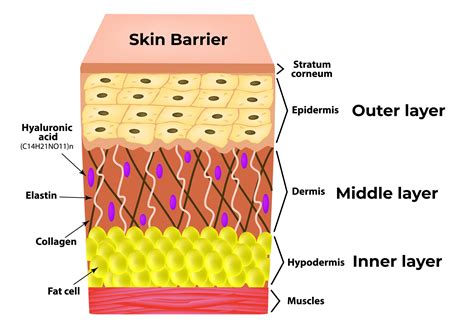
Emollients are medical moisturisers that form an essential part of the therapy for all dry skin conditions, including eczema. Unlike cosmetic moisturisers, emollients are typically unperfumed and free from additives that could irritate sensitive skin. They have been used for thousands of years to soothe and relieve itchiness, creating an oily layer that helps the skin retain moisture.
Understanding Emollient Formulations
Emollients are available in various formulations to suit different needs and preferences:
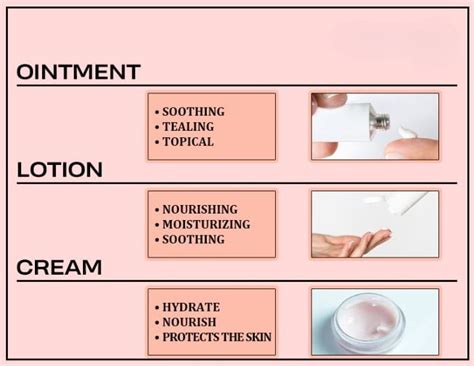
- Lotions: Contain more water and less fat. They spread easily and are cooling but may not be effective for very dry skin as they are not thick enough to repair the skin barrier. Lotions often require preservatives, which can rarely cause sensitivity.
- Creams: A mixture of fat and water, creams feel light and cool. They are easy to spread and less greasy than ointments, making them suitable for daytime use. Like lotions, creams may contain preservatives. They need to be applied liberally and frequently (every 3-4 hours) to be effective.
- Gels: Form a three-dimensional network that traps moisture.
- Sprays: These are spray-on ointments containing ingredients like white soft paraffin and liquid paraffin.
- Ointments: Often stiff and greasy, ointments are highly effective at retaining water and repairing the skin barrier, making them ideal for very dry and thickened areas. They are typically applied before bed or under wet wraps and should be used every 6-8 hours. Ointments contain less water and thus require fewer preservatives.
Specialized Emollient Ingredients
Some emollients contain additional ingredients to enhance their benefits:
- Humectants (e.g., glycerine, urea): Draw water into the epidermis from the dermis.
- Antimicrobials (antiseptics): Destroy bacteria on the skin.
- Ceramides: Help restore the skin's natural barrier.
- Oatmeal: Known for its soothing properties.
Cleansing with Emollients
Cleansing the skin is a vital part of eczema care. A daily emollient bath or shower is recommended to remove dirt and debris. Plain water can dry out the skin, whereas an emollient bath cleanses, reduces itchiness, and repairs the skin barrier by trapping moisture. Tepid water is preferred, as excessive heat can aggravate eczema. Ordinary wash products containing soap, detergents, and fragrances should be avoided as they can dry out and irritate the skin.
Soap substitutes, which can be emollient products designed for washing or regular leave-on emollients, are recommended for hand-washing, showering, and bathing. While they may not foam like traditional soaps, they are effective at cleansing the skin.
Important Precautions When Using Emollients
- Slippery Surfaces: Emollients can make bath and shower surfaces extremely slippery. Always use a bath mat and consider grab rails for safety.
- Flammability: While emollients themselves are not flammable, bedding, clothing, and dressings with dried emollient residue can ignite and burn more intensely. Exercise extra caution around naked flames and heat sources, especially if you smoke.
- Aqueous Cream: Aqueous cream is no longer recommended as a leave-on emollient or soap substitute due to its potential to irritate the skin and worsen eczema, largely due to the ingredient sodium lauryl sulphate (SLS).
- Application Technique: Apply emollients gently in the direction of hair growth to avoid triggering itchiness or blocking hair follicles.
- Hygiene: Use a spoon to decant emollients from tubs to prevent bacterial contamination.
- Timing with Other Treatments: Apply topical steroids before emollients, allowing a 30-minute gap if possible. For topical calcineurin inhibitors like tacrolimus, wait at least 2 hours after applying emollients.
Coconut Oil: A Natural Remedy for Eczema
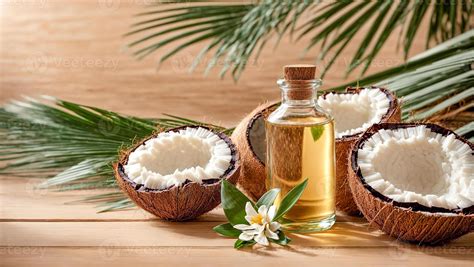
Coconut oil is a natural moisturiser that many people with eczema find soothing, helping to relieve dryness and itchiness. Research suggests that the fatty acids in virgin coconut oil may help restore the skin barrier, decrease inflammation, and reduce infection rates. While it cannot cure eczema, it can be a beneficial part of a treatment plan.
How Coconut Oil Works for Eczema
- Restores Skin Barrier: The fatty acids in coconut oil may help repair the skin's protective barrier.
- Reduces Inflammation: Coconut oil possesses anti-inflammatory properties that can help calm irritated skin.
- Antioxidant Properties: Antioxidants may contribute to the treatment of eczema symptoms.
- Antimicrobial Effects: Coconut oil can reduce the presence of bacteria, viruses, and fungi, which is significant as eczema-prone skin is more susceptible to infections.
- Increases Filaggrin: Some studies suggest coconut oil can increase filaggrin, a protein essential for skin hydration and pH balance, which may be deficient in individuals with eczema.
Using Coconut Oil for Eczema
Coconut oil is generally safe and inexpensive, available in most grocery and drug stores. It can be used as a daily moisturiser, applied twice a day or more often if needed, especially during flare-ups. It can be applied to the scalp as a conditioner or added to bath water.
Precautions with Coconut Oil:
- Allergies: Individuals allergic to coconuts should avoid coconut oil. A patch test on a small area of undamaged skin is recommended before widespread use.
- Quality: Opt for high-quality, organic, extra-virgin, or cold-pressed coconut oil to avoid potential irritants from chemical extraction processes.
- Infants and Children: Consult a healthcare professional before using coconut oil on infants or children, as a significant percentage of children may be allergic to coconuts. Keep the oil away from eyes.
- Comparison to Other Remedies: Studies suggest virgin coconut oil may be more effective at increasing skin moisture and easing symptoms than mineral oil. While petroleum jelly is also an effective occlusive barrier, coconut oil is classified as an emollient.
Conclusion: A Multifaceted Approach to Eczema Care
Managing eczema often involves a combination of treatments tailored to individual needs. While essential oils should be approached with extreme caution due to their potential to aggravate eczema, topical corticosteroids offer a medical solution for symptom relief. Emollients are fundamental to daily skincare, helping to maintain skin hydration and barrier function. Natural remedies like coconut oil can provide a soothing and moisturizing alternative for some individuals. Consulting with a healthcare professional is paramount to developing a comprehensive and safe treatment plan for eczema.