When experiencing hair loss, common culprits like genetics, hormones, and aging often come to mind. However, a frequently overlooked yet significant factor is inflammation. It's possible to have scalp inflammation without realizing it, as it often presents as a silent issue, lacking visible redness or swelling unlike an injury. Despite its subtlety, this underlying inflammation can trigger your immune system to attack hair follicles, impeding hair growth and accelerating loss. Inflammation is a major, often underestimated, driver of hair thinning, particularly in its initial stages. If left unaddressed, it can lead to permanent damage to the follicle's ability to produce healthy, full hair.
What is Scalp Inflammation?
Inflammation is the body's natural defense mechanism, a response to injury, infection, or stress, aimed at combating threats and initiating healing. There are two primary types:
Acute Inflammation
This is a short-term, typically beneficial response, such as the swelling around a sprained ankle.
Chronic Inflammation
This is a low-grade, persistent, and often invisible form of inflammation that poses a significant problem. It is increasingly recognized as a contributing factor to a wide range of health issues, including heart disease and hair loss.
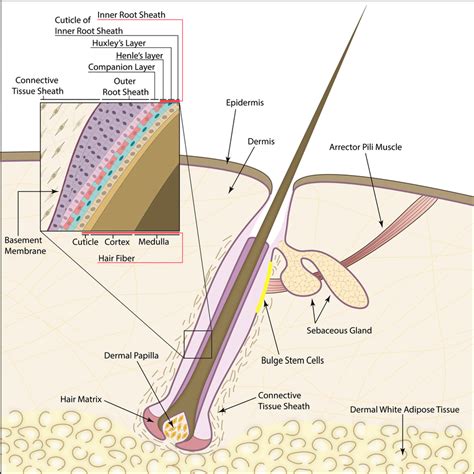
Even at a microscopic level, microinflammation can progressively harm hair follicles. It disrupts the dermal papilla, the follicle's control center, interfering with crucial processes like blood flow, nutrient delivery, and cellular signaling necessary for hair growth.
For individuals experiencing hair loss, this can manifest in several ways:
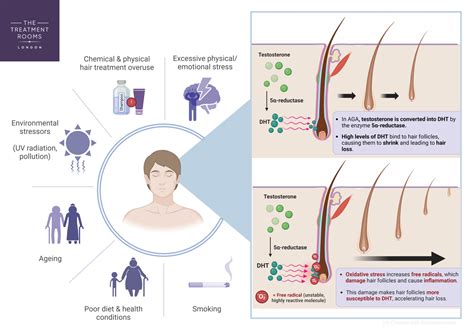
- In androgenetic alopecia (pattern baldness), DHT triggers an inflammatory response that accelerates follicle miniaturization.
- In scarring alopecias, such as Lichen Planopilaris (LPP) or Frontal Fibrosing Alopecia (FFA), inflammation can cause permanent follicle destruction.
- In telogen effluvium, systemic inflammation stemming from illness, stress, or diet can shock follicles, leading to shedding.
Common signs that may indicate scalp inflammation include:
- An itchy, burning, or tender scalp.
- Flaking or dandruff.
- Sensitivity around areas of thinning hair.
What Causes Scalp Inflammation?
Scalp inflammation often results from a combination of internal and external factors:
Internal Triggers:
- Hormones: Particularly dihydrotestosterone (DHT), can provoke inflammation and shrink hair follicles.
- Autoimmune reactions: Conditions like alopecia areata involve the immune system attacking healthy tissues, including hair follicles.
- Chronic stress: Elevated cortisol levels due to prolonged stress can lead to widespread inflammation.
- Diet: Consuming excessive sugar, processed foods, and industrial seed oils can exacerbate systemic inflammation.
External Triggers:
- Harsh hair products: Ingredients like sulfates, fragrances, or alcohols can irritate the scalp's protective barrier.
- Fungal/bacterial imbalance: Conditions such as seborrheic dermatitis or folliculitis can arise from microbial imbalances.
- Environmental exposure: Pollution, sweat, and heat can contribute to scalp irritation.
- Improper washing: Both overwashing and underwashing can disrupt the scalp's natural microbiome balance.
Reducing Scalp Inflammation: How to Calm the Fire
The positive news is that, in many instances, scalp inflammation is manageable and potentially reversible. Various approaches can help calm the scalp and promote healthier hair growth.
Medical Treatments for Scalp Inflammation:
- Topical corticosteroids or immunomodulators: These are effective for inflammation driven by autoimmune conditions.
- Finasteride and Minoxidil: These medications can help reduce DHT-driven inflammation and improve the health of hair follicles.
- Platelet-Rich Plasma (PRP) therapy: This treatment involves injecting concentrated growth factors into the scalp, which may reduce inflammation and stimulate tissue repair.
- Low-Level Laser Therapy (LLLT): Also known as red light therapy, LLLT is believed to reduce inflammation at a cellular level and support mitochondrial function within hair follicles.
Can Shampooing Help With Scalp Inflammation?
Yes, specific shampoos can be beneficial, provided they are chosen carefully. Regular shampooing plays a crucial role by:
- Removing buildup of oil, sweat, dead skin cells, and DHT.
- Preventing the overgrowth of bacteria and fungi.
- Helping to maintain a healthy pH balance on the scalp.
Shampoo for Scalp Inflammation - What to Look For:
For those experiencing scalp tenderness, burning, or visible flaking, consider shampoos containing:
- Ketoconazole (e.g., Nizoral): Possesses anti-fungal properties and can mildly inhibit DHT.
- Zinc pyrithione: Helps reduce microbial load and soothe the scalp.
- Salicylic acid: Provides gentle exfoliation and helps reduce scaling.
- Tea tree oil or aloe vera: These natural ingredients have anti-inflammatory properties.
In cases where over-the-counter products are insufficient, prescription formulations may be necessary.
Pro Tip: Avoid harsh sulfates or overly drying cleansers, as they can worsen scalp inflammation.
How Long Does It Take to Calm Scalp Inflammation?
The timeline for calming scalp inflammation varies depending on its type, severity, underlying cause, and the timeliness of intervention. Here's a general guide:
- Mild inflammation (e.g., due to product buildup or minor irritation): Improvement may be noticeable within 1-2 weeks with the use of gentle shampoos and improved scalp hygiene.
- Moderate inflammation (e.g., from DHT, stress, or poor diet): It can take 4-8 weeks of consistent lifestyle changes, incorporating anti-inflammatory foods, and potentially topical treatments to start seeing results.
- Severe or chronic inflammation (e.g., autoimmune or scarring conditions): This often requires months of medical treatment and ongoing management to prevent long-term follicle damage.
Will Scalp Inflammation Stay Away?
The persistence of scalp inflammation depends on whether its root cause is effectively resolved. If external factors like product irritation or poor hygiene are the culprits, correcting them may lead to lasting resolution. However, internal triggers such as hormonal imbalances, autoimmune activity, or chronic stress require ongoing attention and management.
Important: Inflammation can recur, particularly if ignored. Therefore, consistent follow-up care and monitoring of scalp health are essential.
How Can You Tell If You Have Scalp Inflammation (If It’s Not Visible)?
Since scalp inflammation is often invisible, especially in its early stages, detection can be challenging but not impossible. Pay attention to the following signs:
- Persistent itching or sensitivity, particularly in thinning areas.
- A burning or stinging sensation on the scalp.
- Dandruff, scaling, or a feeling of tightness that returns quickly after washing.
- A general feeling of scalp discomfort or irritation, even without visible redness.
Clinicians may also look for specific indicators, such as localized miniaturization patterns suggestive of inflammation-driven hair loss and assess follicle health through trichoscopy or high-resolution imagery. A positive response to anti-inflammatory treatments can further confirm the role of inflammation.
In some complex cases, a scalp biopsy might be recommended to diagnose conditions like scarring alopecias or autoimmune causes.
Bottom Line: If your scalp feels uncomfortable or your hair continues to thin despite various attempts at treatment, inflammation may be playing a more significant role than you realize.
Why Inflammation Matters Before and After a Hair Transplant
For individuals considering or having undergone a hair transplant, addressing scalp inflammation is critical, as it directly impacts candidacy and long-term results:
- Poor Healing: An inflamed scalp can impair blood flow, potentially affecting graft survival after transplantation.
- Limited Density: Unhealthy, inflamed tissue can make it more challenging to achieve optimal hair density and even results.
- Future Hair Loss: Ongoing inflammation can threaten the survival of transplanted and existing hair, even after a successful procedure.
Therefore, evaluating and treating scalp inflammation is an integral part of a comprehensive hair restoration plan to maximize the chances of successful and lasting results.
Hair Transplant Success: The Importance of Hydrating your Grafts
Don’t Ignore the Signs of Scalp Inflammation
Hair loss is not always accompanied by visible symptoms, and neither is its underlying cause. Chronic inflammation can silently undermine the health of your hair follicles. Experiencing a burning sensation on your scalp alongside hair loss can be distressing. While common scalp issues or allergic reactions might come to mind, the cause can be more complex.
A variety of dermatological, neurological, autoimmune, or environmental conditions can produce these symptoms. In some instances, the root cause might be psychological distress rather than a physical illness, as seen in trichodynia, also known as burning scalp syndrome.
Burning Scalp Syndrome (Trichodynia)
This syndrome, which has complex origins, is twice as common in women as in men and is often associated with chronic stress, anxiety, and depression. It is observed in approximately one-third of individuals experiencing hair loss due to telogen effluvium and androgenetic alopecia.
The good news is that most conditions causing a burning scalp and hair loss are treatable or manageable.
Why is my scalp burning and my hair falling out?
Several factors can contribute to a burning scalp and hair loss:
- Burning Scalp Syndrome (Trichodynia): A condition characterized by various scalp sensations.
- Environmental Causes: External factors affecting scalp health.
- Neurologic Scalp Conditions: Issues affecting the nerves in the scalp.
- Autoimmune Conditions: Where the body's immune system attacks its own tissues.
If you are experiencing a burning sensation on your scalp accompanied by hair loss, it is advisable to consult a dermatologist or trichologist for a proper diagnosis.
What is burning scalp syndrome?
Burning scalp syndrome, or trichodynia, presents with symptoms such as pain, tenderness, itching, tingling, burning, and increased sensitivity to pressure on the scalp. These sensations can be widespread or localized and may worsen with pressure. The intensity of symptoms often correlates with the severity of hair loss. It is most frequently reported in women with diffuse thinning, especially those experiencing hair loss due to telogen effluvium.
What causes burning scalp syndrome?
The exact causes of burning scalp syndrome are not fully understood. While some theories suggest hair follicle inflammation or autoimmune responses, evidence remains inconclusive. Nutritional deficiencies have also been investigated but not conclusively linked. The most compelling explanation points towards psychiatric disorders like depression, anxiety, and chronic stress as significant contributing factors. This theory suggests the syndrome accompanies conditions like telogen effluvium and androgenetic alopecia because these hair loss types are influenced by mental distress, which can, in turn, amplify stress.
The link between anxiety and hair loss is well-documented, as is the connection between depression and hair loss.
Can a Covid-19 Infection Trigger Burning Scalp Syndrome?
Hair loss following Covid-19 infection has been documented, and recent evidence suggests that burning scalp syndrome can also be triggered by this viral disease. A 2021 study of former Covid-19 patients with hair loss indicated that a significant majority developed trichodynia, with symptoms often appearing within the first month after infection.
Who is Most Likely to Experience Burning Scalp Syndrome?
While any adult experiencing hair loss can develop burning scalp syndrome, women are significantly more predisposed to this condition than men. Studies have shown a higher prevalence of trichodynia among women experiencing hair loss.
What is the Treatment for Burning Scalp Syndrome?
Currently, there is no single conventional treatment specifically for burning scalp syndrome. However, addressing the underlying causes can alleviate symptoms.
Does burning scalp syndrome cause hair loss?
Burning scalp syndrome itself does not cause hair loss, although it can occur concurrently with conditions that do lead to hair shedding.
How do you reduce your hair loss when experiencing burning scalp syndrome?
To manage hair loss alongside burning scalp syndrome, focus on general hair health:
- Maintain a clean and moisturized scalp.
- Avoid heat-styling products.
- Limit the use of harsh chemicals on hair (e.g., bleach, dye).
- Use UV protection or wear head coverings outdoors.
- Avoid excessive scratching or rubbing of the scalp.
- Avoid tight hairstyles.
- Gently massage the scalp to improve blood flow.
- Consult a hair specialist for diagnosis and treatment of the underlying hair loss cause.
- Discuss potential hair loss treatments (e.g., Minoxidil, Finasteride) with a dermatologist or trichologist.
Is hair loss permanent in burning scalp syndrome?
The permanence of hair loss associated with burning scalp syndrome depends on its root cause. Hair loss from telogen effluvium, often linked to stress, is typically reversible once the psychological pressure is reduced. For conditions like androgenetic alopecia, treatments such as Minoxidil or Finasteride may be necessary for regrowth.
Does a burning scalp mean hair growth?
Healthy hair growth is typically painless. A burning sensation on the scalp usually indicates an underlying medical condition rather than normal hair growth.
Other Potential Causes of Burning Scalp and Hair Loss:
- Sunburn: Mild burns from sun exposure without head protection can cause a burning sensation.
- Chemical Burns: Harsh chemicals in hair products like bleach or dye, if left on too long, can cause chemical burns with symptoms similar to sunburns.
- Mechanical Tension: Tight hairstyles (ponytails, extensions) can lead to hair loss and scalp discomfort over time.
- Scalp Trauma: Injuries like bumps or scrapes, even if not visibly apparent, can cause a tender or burning sensation.
- Small Fibre Neuropathies: Conditions like diabetes or Sjogren’s syndrome can damage scalp nerves, causing persistent burning sensations unresponsive to topical treatments.
- Trigeminal Neuralgia: While primarily affecting the face, this nerve disorder can involve the scalp, causing sudden, intense pain.
- Multiple Sclerosis: This central nervous system disease can affect nerve endings, leading to scalp burning or tingling.
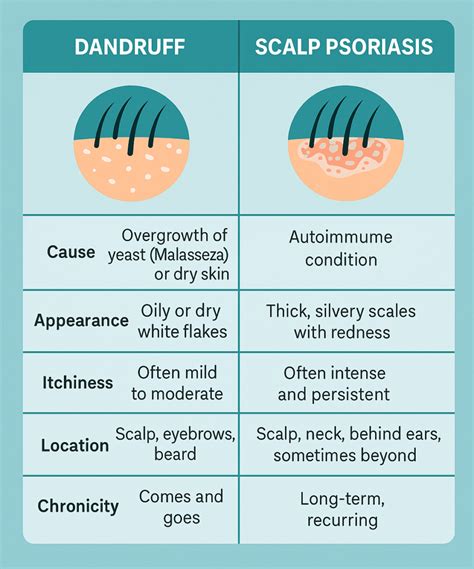
- Scalp Psoriasis: Characterized by rapid skin cell regeneration, leading to thick, white, crusty deposits on the scalp.
- Dermatomyositis: An inflammatory autoimmune condition causing muscle weakness and a distinctive rash.
- Lupus: An autoimmune disease that can cause scalp inflammation, leading to pain or burning sensations.
- Dandruff or Seborrheic Dermatitis: Caused by excessive sebum production, leading to irritation and inflammation.
- Atopic Dermatitis (Eczema): Often genetically inherited, involving a less effective skin barrier and prone to allergies.
- Folliculitis: Inflammation or infection of hair follicles, often caused by bacteria or blockages, which can lead to scalp irritation, burning, and hair loss.
How Do You Get Relief From the Burning Sensation on Your Scalp?
The most effective way to alleviate scalp burning is to treat the underlying cause. Medical specialists can guide treatment for various conditions. For temporary relief, consider these measures:
- Avoid scratching or rubbing the scalp vigorously.
- Use a cool compress or cooling hair products.
- Protect the scalp from sun and heat damage.
- Keep the scalp moisturized.
- Wear looser hairstyles to reduce tension.
- Manage stress and fatigue through relaxation techniques, self-care, or therapy.
When to See a Doctor for Burning Scalp and Hair Loss
Consult a healthcare provider if scalp discomfort persists for more than a few days without improvement. Seek medical attention for:
- Scalp redness, warmth, or tenderness indicating inflammation or infection.
- Itchy, scaly, flaky, or cracked skin unresponsive to moisturizers.
- Unexplained lesions, growths, or thick patches on the scalp.
- Bleeding or oozing from the scalp without trauma.
- Blisters, pimples, or rashes on the scalp.
- Unexplained burning, tingling, numbness, or pain not caused by trauma and persisting without resolution.
- Sudden onset of patchy hair loss.
Emergency care is required for significant facial swelling with breathing difficulties (potential severe allergic reaction) or sudden, severe scalp pain with fever, vision problems, or headaches (potential temporal arteritis).
Prompt diagnosis is crucial to prevent worsening conditions and further, harder-to-reverse hair damage.