Cosmetic injectables offer a compelling alternative to surgical procedures for those seeking to enhance their appearance with minimal downtime. These treatments are highly effective for smoothing fine lines, restoring volume, and achieving quick, often instantaneous results with very little recovery time. To make an informed decision, it is beneficial to understand the various types of cosmetic injectables and their intended purposes.
What Are Cosmetic Injectables?
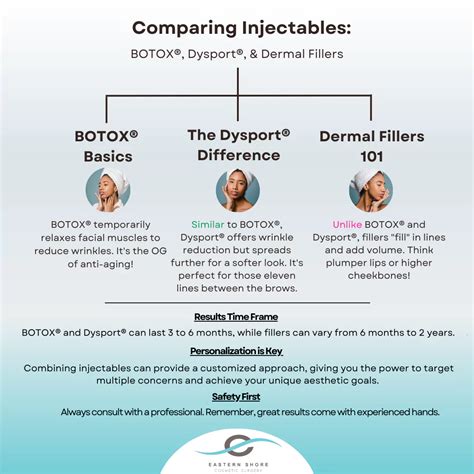
The umbrella term cosmetic injectables encompasses non-surgical treatments administered via injection beneath the skin to alter facial appearance. These treatments can effectively soften or conceal wrinkles, augment facial volume, and influence facial muscle movement.
Botox: Smoother Skin in Minutes
Botox is one of the most recognized cosmetic injectables. Its mechanism involves relaxing the specific muscles responsible for creating wrinkles during expressions like smiling, frowning, or squinting. It is commonly used to address forehead lines, crow’s feet, and glabellar lines (between the eyebrows).
This treatment is particularly effective for dynamic wrinkles, which are those that appear due to repeated facial expressions. Visible results typically emerge within a few days and can last approximately 3 to 4 months. Botox treatments are swift and require no recovery time, allowing individuals to resume their daily activities immediately after the procedure.
Dermal Fillers: Adding Volume and Rejuvenation
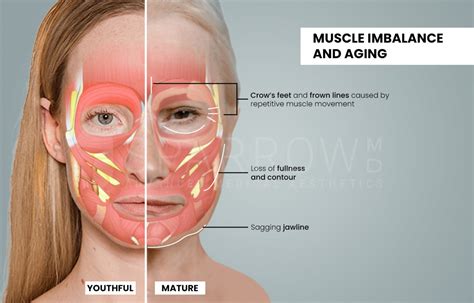
Dermal fillers are designed to restore volume, giving the skin a more youthful appearance. They are frequently applied to the cheeks, lips, under-eye areas, and around the mouth. Fillers can also improve the appearance of deeper lines and folds.
There is a diverse range of dermal fillers available. Some are formulated with hyaluronic acid (HA), a substance naturally present in the body, while others utilize calcium-based materials or other compounds that stimulate collagen production. Results from dermal fillers are often immediate and can persist anywhere from 6 months to 2 years, depending on the specific type of filler used.
Types of Dermal Fillers
Hyaluronic Acid (HA) Fillers
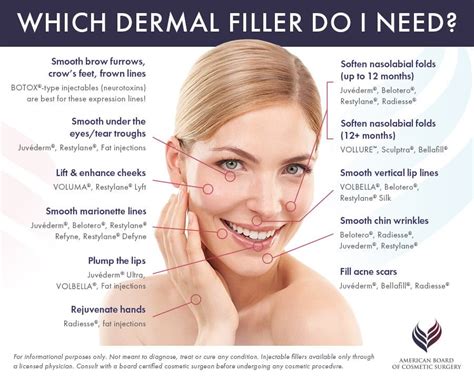
Hyaluronic acid is a naturally occurring substance found in the skin, connective tissues, and joints. HA fillers are adept at restoring lost volume in areas such as the cheeks and under the eyes, and are also highly effective for plumping thin lips. Because HA is naturally biodegradable, these fillers gradually break down over time and can be dissolved if necessary, offering a reversible option.
- Juvederm®: Features various formulations tailored to specific facial areas, with results lasting 12 to 16 months and being reversible.
- Restylane®: Also uses HA, focusing on hydrating the skin to enhance smoothness and appearance. It is commonly used on the jawline, back of the hands, lower cheeks, or upper neck.
- RHA® collection (RHA 2, RHA 3, RHA 4): This collection is well-suited for dynamic facial wrinkles that move with natural expressions.
- Belotero®+: Effective for nasolabial folds and wrinkles around the lips and mouth.
- Profhilo®: A newer type of HA filler known as a skin booster, which focuses on enhancing glow, smoothing, and tightening the skin rather than adding significant volume.
Calcium Hydroxylapatite (CaHA) Fillers
Calcium Hydroxylapatite (CaHA) fillers are composed of thicker, biodegradable calcium-based microspheres suspended in a gel. These fillers are typically used for deeper wrinkles and facial contouring, offering structural support beneath the skin. An advantage of CaHA fillers is that they are biosynthetically produced without animal products.
Poly-L-Lactic Acid (PLLA) Fillers
PLLA fillers, such as Sculptra, are biostimulatory. Instead of providing immediate volume, they encourage the body to produce more collagen over time, leading to gradual skin firming and smoothing. PLLA fillers are best suited for gradual facial rejuvenation, making them ideal for restoring volume loss in areas like the cheeks and temples. Results can appear slowly and last for more than two years, making them perfect for those seeking natural, long-lasting changes.
Polymethylmethacrylate (PMMA) Fillers
PMMA fillers, like Bellafill, are semi-permanent and contain tiny, biocompatible microspheres suspended in a collagen-based gel. They are used for treating deep wrinkles, nasolabial folds, and acne scars by providing structural support. Results can last up to two years.
Specific Injectable Treatments
Kybella: Targeting Double Chins
Kybella is a specialized injectable formulated to address submental fat (double chin). It works by breaking down fat cells, which are then naturally eliminated by the body. Kybella is an excellent option for individuals desiring a more defined jawline without surgery. Typically, 2 to 4 sessions are recommended for optimal results. Some initial swelling may occur but usually subsides within a few days. It is crucial to receive Kybella treatments from a trained expert to avoid potential side effects.
Sculptra: Gradual Collagen Stimulation
As mentioned, Sculptra differs from many fillers by stimulating the body's natural collagen production over time. This process leads to a gradual increase in firmness and smoothness. Sculptra is frequently used for deep lines, hollow cheeks, and overall skin texture improvement. The results are subtle and progressive, lasting for over two years, making it ideal for those who prefer a slow, natural transformation.
Radiesse: Instant Lift and Long-Term Benefits
Radiesse is a filler that provides both immediate volume and stimulates collagen production. It is composed of tiny calcium-based beads suspended in a gel, which offer structure to the skin. Radiesse is often applied to the cheeks, jawline, and even the backs of the hands, delivering an instant lifting effect that continues to work beneath the skin. This option is suitable for individuals seeking both immediate and sustained improvements.
Collagen Stimulation with Dermal Fillers
Choosing the Right Cosmetic Injectable
Selecting the appropriate injectable treatment depends entirely on your desired aesthetic outcomes. Each product has a unique mechanism of action, making a professional consultation essential. Factors to consider include:
- The specific area(s) you wish to treat.
- Whether you seek immediate or gradual results.
- The desired duration of the results.
- Your budget.
By discussing these points with a qualified professional, you can more easily determine the most suitable treatment plan for your individual needs and goals.
The Importance of Consulting a Professional
While cosmetic injectables are generally safe, it is paramount to have them administered by a trained and experienced professional. A skilled provider will ensure proper product usage and help mitigate the risk of adverse effects. A personalized consultation allows your provider to understand your objectives and develop a tailored treatment strategy.
Choosing the right Botox and fillers provider is essential for achieving safe, natural-looking results. Always ensure that the products used are FDA-approved and administered by a licensed medical professional with expertise in facial anatomy.

Risks and Considerations
Although generally safe, like any cosmetic procedure, both botulinum toxin (Botox) and filler treatments carry potential risks and side effects. These can occur even when injections are administered by a registered health practitioner. The risk of side effects may increase if injections are performed by an unqualified individual. To minimize risks, cosmetic injections should ideally be given by a registered health practitioner (such as a nurse) under the instruction of a registered medical practitioner who has experience in the field and has personally consulted the patient.
Key differences summarized:
| Treatment | Primary Use | Mechanism | Typical Duration | Onset of Results |
|---|---|---|---|---|
| Botox | Dynamic wrinkles (caused by muscle movement) | Relaxes muscles by blocking nerve signals | 3-6 months | A few days to 2 weeks |
| Dermal Fillers | Volume loss, static wrinkles, contouring | Adds volume, stimulates collagen | 6 months to 2+ years (varies by type) | Immediate to gradual (varies by type) |
While Botox targets wrinkles caused by muscle movement, dermal fillers are used to restore lost volume and smooth deeper lines. They can complement each other to achieve a smoother, more youthful appearance. For instance, HA fillers can be used in conjunction with Botox Cosmetic® to address lines between the eyebrows.
It is important to be aware of fillers that are not FDA-approved and should be avoided, such as those for large-scale body contouring or injected with needle-free devices. Consulting with a cosmetic surgeon or dermatologist is crucial for making an informed decision about the most suitable filler for your specific needs.