If you're looking to exfoliate your skin, lipohydroxy acid (LHA) might be the right ingredient for you. LHA is a versatile ingredient that deeply exfoliates the skin while remaining gentle enough for sensitive complexions. By targeting clogged debris and removing dead skin cells, LHA works to reveal a brighter and clearer complexion. This article will delve into the scientific basis behind LHA's primary skincare benefits: exfoliation, skin renewal, and acne control.
Understanding Chemical Exfoliation
Chemical exfoliation is a process that involves the elimination of excessive corneocyte accumulation using chemical methods, as opposed to physical exfoliation, which involves scrubbing. In simpler terms, this process stimulates cell turnover, leading to a smoother skin surface.
Common chemical exfoliants used in skincare include:
- Alpha-hydroxy acids (AHAs): Such as glycolic acid, lactic acid, and malic acid.
- Beta-hydroxy acids (BHAs): Such as salicylic acid.
- Lipohydroxy acid (LHA): A derivative of salicylic acid.
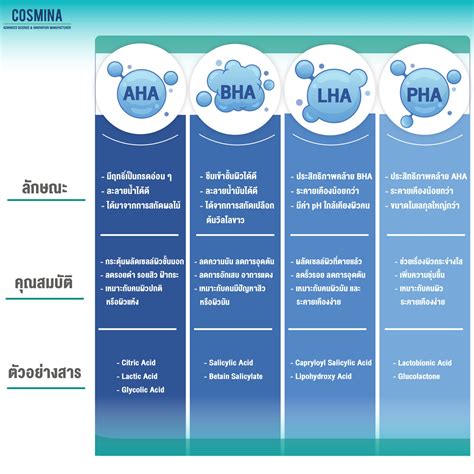
AHAs vs. BHAs vs. LHA
Alpha-Hydroxy Acids (AHAs)
AHAs can be found naturally in fruits and plants or can be synthesized in a laboratory. Common examples include lactic acid, citric acid, and glycolic acid. AHAs offer various benefits, such as moisturizing the skin and reducing the appearance of wrinkles. They can also be used for deep chemical peels.
The exact mechanism by which AHAs work on the skin is not fully understood. However, when applied to the skin, AHAs can enhance its ability to retain water, leading to improved hydration and firmness. AHAs also aid in the shedding of dead skin cells by interfering with the bonds between skin cells, reducing their adhesion and facilitating the removal of the top layer of dead skin. This property makes AHAs useful in treating acne or acne-prone skin. Some studies suggest that AHAs can stimulate the production of collagen, a protein crucial for skin structure, and other beneficial substances within the skin.
Beta-Hydroxy Acids (BHAs)
BHAs, like salicylic acid, share similarities with AHAs, differing primarily in their solubility. BHAs are lipid-soluble, whereas AHAs are water-soluble. This lipid solubility allows BHAs to penetrate the skin through oil-producing follicles, making them particularly suitable for individuals with oily skin and open comedones. BHAs have demonstrated anti-inflammatory effects and are generally less irritating to the skin compared to AHAs. For optimal effectiveness in skincare products, BHA concentrations typically range from 1-2%.
Lipohydroxy Acid (LHA)
LHA is a specialized type of acid derived from salicylic acid, possessing unique properties and benefits for the skin. It is frequently incorporated into skincare products for its ability to renew the skin, exfoliate, and treat acne.
How LHA Works
What distinguishes LHA from other chemical exfoliants is its slow penetration rate into the skin. This allows it to gently exfoliate individual skin cells without causing significant irritation, making it a suitable option for those with sensitive skin. LHA has been shown to stimulate the production of substances such as glycosaminoglycans, collagen, and elastin, which contribute to thicker and more elastic skin. Additionally, LHA assists in unclogging pores and preventing the formation of acne.
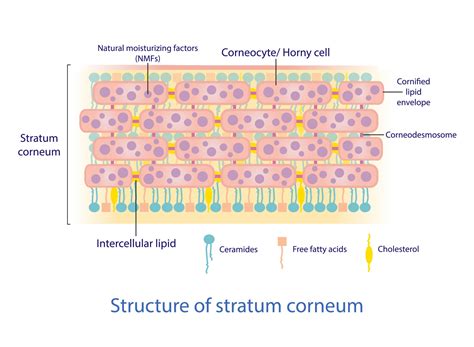
These qualities provide LHA with three distinct skincare benefits:
LHA Exfoliates Skin
Many hydroxy acids (HAs) are known for their keratolytic effect, meaning they aid in exfoliation by breaking down the connections between skin cells as they are shed. Both salicylic acid (SA) and LHA have been found to enhance the shedding of these cells, reducing the thickness of the outermost skin layer. However, SA penetrates the skin more rapidly than LHA, leading to the exfoliation of sheets of cells. In contrast, LHA takes longer to penetrate, resulting in the exfoliation of individual cells. This individual cell exfoliation is thought to more closely mimic the skin's natural shedding process.
Both SA and LHA have been studied for their ability to increase cell turnover. It is theorized that SA and LHA may encourage the skin to produce new cells either by releasing certain substances during the shedding process or by physically stimulating the skin through exfoliation.
LHA Renews Skin
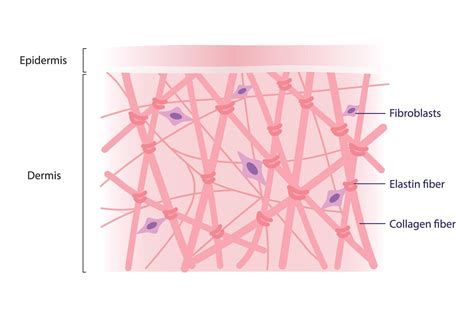
LHA's effect of thinning the outer layer of the skin (stratum corneum) is accompanied by a thickening of the skin's deeper layer (dermis). In one study, the dermal effects of LHA were found to be comparable to those of tretinoin, a commonly used anti-aging ingredient. This anti-aging effect is primarily attributed to LHA's stimulation of structural skin lipids and proteins.
Generally, HAs (including LHA) have been shown to increase the levels of substances like glycosaminoglycans, hyaluronic acid, collagen, and elastin in the deeper layers of the skin, promoting a more youthful and rejuvenated appearance.
LHA Helps Treat Acne
Lipohydroxy acid is well-suited for treating acne vulgaris by targeting clogged pores. In a study comparing LHA to no treatment, patients with comedonal acne applied LHA once daily for a month. Using special strips to measure the size and density of clogged pores, the results indicated that LHA reduced the number of clogged pores by 47% and their size by 54% compared to untreated areas.
Another small study observed 14 acne patients who used LHA twice daily. Analysis revealed a significant decrease in the size and number of clogged pores, suggesting a positive effect of LHA on comedones. Although exact figures were not provided, the data indicated an approximate 85% reduction in clogged pores from the beginning of the study to the 14th day.
LHA has demonstrated comparable efficacy to benzoyl peroxide (BPO) in reducing acne and is often better tolerated. In a study comparing LHA to BPO as a standalone treatment for acne, LHA showed similar effectiveness and better tolerability, making it a potential alternative for acne patients who cannot tolerate BPO.
In one study, the effectiveness of a cleansing gel containing salicylic acid 2%, zinc gluconate 0.2%, and lipohydroxy acid 0.05% was examined for treating truncal acne (acne on the chest and trunk). The study involved 35 subjects with mild to moderate truncal acne who used the gel daily for 84 days. After the study period, a significant reduction in total acne lesions was observed (-56.3% after 84 days).
Acne: Understanding the Types of Acne and Treatment Options
Incorporating LHA into Your Skincare Routine
The versatile nature of LHA makes it a valuable addition to skincare formulations, offering benefits in exfoliation, skin renewal, and acne control. When used appropriately, LHA can contribute to achieving healthier, more radiant skin.
When selecting skincare ingredients like LHA, it's important to make informed choices. Taking control of your skincare routine and understanding the ingredients you use can lead to better results.
FAQs about LHA
What makes LHA different from BHA?
LHA differs from BHA in that it penetrates the skin slowly, allowing it to gently exfoliate each individual skin cell without causing irritation. This individual cell exfoliation is believed to mimic the natural shedding process of the skin more closely.
Can I use lipohydroxy acid with retinol?
Yes, LHA generally combines well with other ingredients. It is important to consult with your dermatology provider on how to incorporate multiple products into your routine.
Is LHA suitable for all skin types?
In general, yes. LHA is typically gentle and well-tolerated by most skin types, as demonstrated in comparisons of randomized trials where all chemical peels, including LHA, were well tolerated.
What are the benefits of LHA skincare?
LHA is a specialized type of chemical exfoliant derived from salicylic acid that possesses unique properties and benefits for the skin. It is commonly used in skincare products to help renew the skin, exfoliate, and treat acne.