Glycolic acid is a powerful ingredient that can significantly improve skin tone and texture, reduce the appearance of fine lines and wrinkles, and help with breakouts and blemishes. However, as an active ingredient, it requires a thoughtful approach to integrate into your beauty routine to maximize its benefits and minimize potential irritation.
Understanding Glycolic Acid
Glycolic acid is a type of alpha hydroxy acid (AHA), derived from sugarcane. Its small molecular structure allows it to penetrate the skin more deeply and rapidly than other AHAs, such as lactic, citric, and mandelic acids. This deep penetration is key to its effectiveness in exfoliating the outermost layer of skin, the stratum corneum, revealing fresher, younger cells beneath. Furthermore, its ability to penetrate the dermis, where collagen is produced, helps to promote collagen synthesis, contributing to firmer, more elastic skin.
Benefits of Glycolic Acid
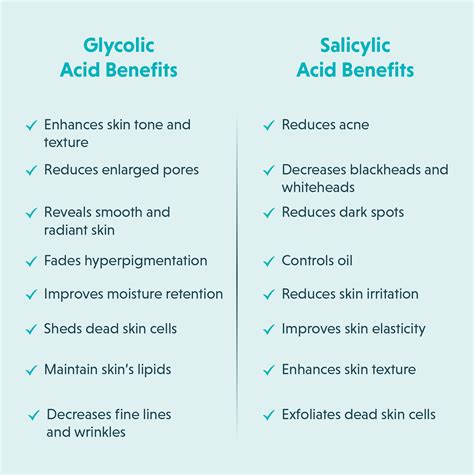
- Exfoliation: It effectively removes dead skin cells, unclogging pores and promoting a smoother skin texture, which can help prevent acne and blackheads.
- Improves Skin Tone: By accelerating cell turnover, it helps fade dark spots, hyperpigmentation, and discoloration for a more even complexion.
- Anti-Aging: Regular use can reduce the appearance of fine lines and wrinkles by stimulating collagen production.
- Moisture Retention: It enhances the skin's ability to retain moisture, keeping it hydrated and plump.
- Enhanced Product Absorption: By clearing dead skin cells, glycolic acid allows other skincare products to penetrate more effectively.
Incorporating Glycolic Acid into Your Routine
When introducing glycolic acid into your skincare regimen, it's wise to start with lower concentrations and less frequent use. Products like cleansers are a good starting point, as contact time with the skin is minimal. Once your skin has adjusted, you can move on to leave-on formulations such as toners, serums, and moisturizers. While products with small amounts can be used daily, stronger formulations are often best used once or twice a week. Ideal concentrations for at-home use typically range from 8% to 15%. Pay attention to the product's pH level; a pH between three and four indicates the strength of the glycolic acid is as stated.
Potential Disadvantages and Precautions
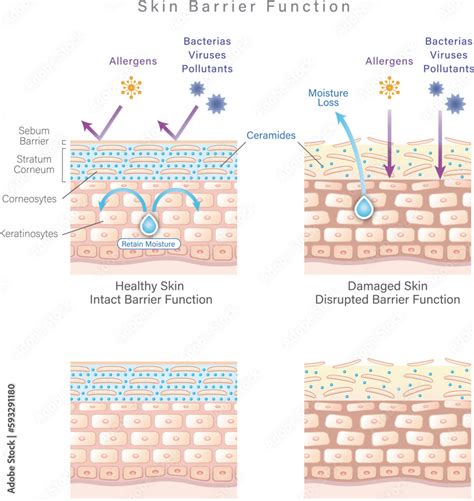
Overuse or combining glycolic acid with other harsh acids can lead to skin irritation, redness, flaking, and a compromised skin barrier. Signs of over-exfoliation include skin that appears overly smooth or waxy. If your skin becomes sensitive, red, or feels fragile, discontinue use. It's crucial to protect your skin from the sun, as glycolic acid can increase photosensitivity; daily use of sunscreen with at least SPF 30 is essential. Those with sensitive skin or darker skin tones should approach glycolic acid with caution, starting with very low concentrations and patch testing first. If you find glycolic acid too harsh, lactic acid can be a gentler alternative.
What to Use After Glycolic Acid Toner
After using a glycolic acid toner, the key is to follow up with products that hydrate, soothe, and support your skin barrier, while being mindful of potential ingredient interactions. It's generally advisable to avoid layering multiple potent exfoliating acids or retinoids immediately after glycolic acid to prevent irritation.
Beneficial Ingredients to Pair with Glycolic Acid
- Hyaluronic Acid: This humectant is excellent for drawing moisture into the skin, counteracting any potential dryness from the glycolic acid. It helps keep the skin hydrated, plump, and supple.
- Niacinamide (Vitamin B3): Niacinamide is a versatile ingredient that helps to soothe inflammation, reduce redness, regulate oil production, and strengthen the skin barrier. It can help calm the skin after exfoliation.
- Ceramides: These lipids are essential components of the skin barrier. Applying a moisturizer with ceramides can help replenish and reinforce the skin's natural protective barrier, which can be temporarily compromised by exfoliation.
- Peptides: Peptides can support skin repair and collagen production, aiding in the skin's recovery and rejuvenation process after exfoliation.
- Soothing Extracts: Ingredients like centella asiatica (cica), green tea extract, or aloe vera can help calm and soothe the skin, reducing any potential irritation.
Ingredients to Avoid or Use with Caution After Glycolic Acid
When using glycolic acid, certain ingredients should be avoided or used with extreme caution to prevent adverse reactions such as severe irritation, redness, and peeling:
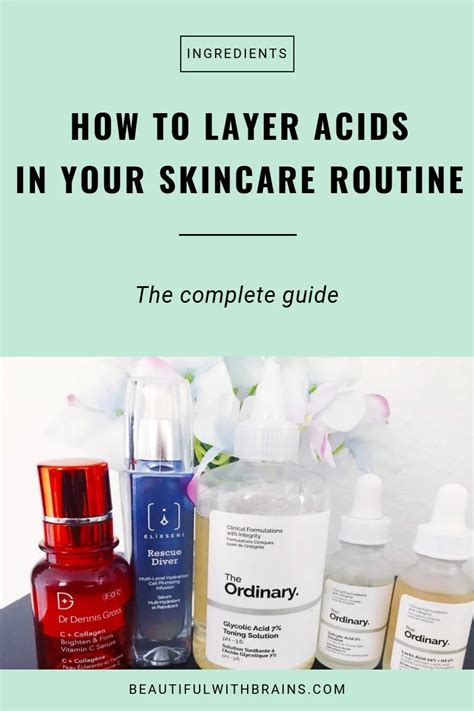
- Other Strong Acids (e.g., high-concentration salicylic acid): Layering multiple strong acids can lead to over-exfoliation and damage the skin barrier.
- Retinoids (Retinol, Tretinoin): Both glycolic acid and retinoids are potent actives that increase cell turnover. Using them together, especially at the same time, can cause significant irritation. It's best to use them on alternate nights or at different times of the day.
- Benzoyl Peroxide: This acne-fighting ingredient can be very drying and irritating. Combining it with glycolic acid can exacerbate these effects. If treating acne, consider using one in the morning and the other at night, or on alternate days.
- Vitamin C (Ascorbic Acid): While beneficial, using a highly acidic Vitamin C serum immediately after glycolic acid might increase the risk of irritation due to differing pH levels. It's often recommended to use Vitamin C in the morning and glycolic acid at night, or ensure a significant pH difference and wait time if using them in the same routine.
Layering Strategies for Sensitive Skin
If you have sensitive skin, it's crucial to introduce glycolic acid gradually and pay close attention to how your skin reacts. Always perform a patch test before applying any new product to your entire face. When layering products after your glycolic acid toner, opt for gentle, hydrating formulas. A hydrating serum followed by a calming moisturizer is often a safe bet. If you experience any redness or stinging, it's a sign to scale back or use your glycolic acid less frequently.
The Importance of a Balanced Routine
A balanced skincare routine involves using active ingredients strategically and always prioritizing hydration and barrier support. Glycolic acid is a fantastic tool for skin renewal, but its effectiveness is amplified when complemented by ingredients that nourish and protect the skin. By understanding ingredient interactions and listening to your skin's needs, you can create a routine that delivers radiant, healthy-looking skin.