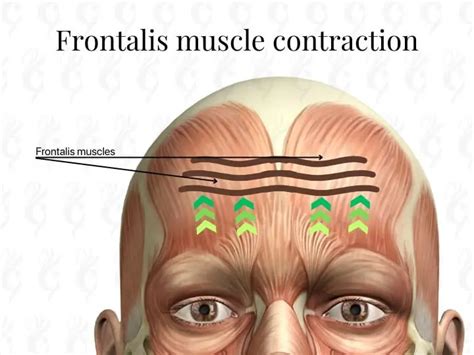
Forehead wrinkles are characterized by horizontal lines that stretch across the forehead. These lines commonly appear or become more pronounced when an individual raises their eyebrows. The primary cause of these wrinkles is the action of the frontalis muscle, which is situated on the forehead.
When we raise our eyebrows, the frontalis muscle contracts. This contraction pulls the skin of the forehead upward, resulting in the formation of lines across the forehead that we perceive as wrinkles. In youth, the skin possesses a natural elasticity that allows it to return to its smooth state once the eyebrow-raising action ceases. However, this resilience diminishes with age, leading to the formation of more permanent lines.
The Role of Ageing and Lifestyle Factors
Aging is an inherent biological process, but certain lifestyle choices can significantly influence the onset and severity of wrinkles. Understanding these factors and implementing specific changes can potentially impact the development and depth of these lines.
By our early thirties, it's common to notice that forehead lines are present even when we are not actively expressing ourselves or raising our eyebrows. This phenomenon is akin to how any material, when repeatedly folded in the same way, can develop a lasting crease. Constant wrinkling of the skin tends to deepen these lines over time.
Human expressions are learned behaviors, often picked up from family, friends, and social interactions. We may raise our eyebrows to convey interest, surprise, or other emotions. Becoming consciously aware of the frequency with which we raise our eyebrows can be a first step in managing these expressions.
Factors Influencing Wrinkle Development
Several factors contribute to the appearance and permanence of forehead wrinkles:
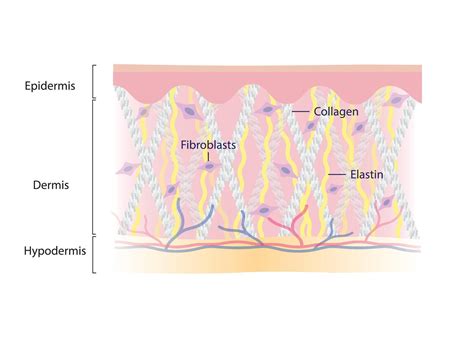
- Aging: As we age, the skin naturally loses collagen and elastin, proteins crucial for maintaining firmness and elasticity. This reduction leads to sagging and a decreased ability for the skin to bounce back after facial movements.
- Repetitive Facial Movements: Consistent contraction of facial muscles, such as the frontalis muscle during eyebrow raising, or the corrugator and procerus muscles during frowning, leads to dynamic wrinkles. Over time, these can evolve into static wrinkles, visible even at rest.
- Constant Muscle Tone: In cases of low-set eyebrows or excess eyelid skin (ptosis), individuals may constantly engage their forehead muscles to lift their eyelids and improve vision. This sustained muscle tension can deepen forehead lines.
- Genetics: An individual's genetic predisposition plays a role in how early and prominently wrinkles appear.
- Lifestyle Choices: Factors like sun exposure, dehydration, smoking, and excessive alcohol consumption can accelerate skin aging and damage.
Intrinsic and Extrinsic Aging
Wrinkle formation is influenced by two types of aging:
Intrinsic Aging: The Natural Blueprint
This is the genetically determined aging process. Starting around the mid-20s, the body's production of collagen and elastin decreases, weakening the skin's structural support and reducing its ability to recover from facial movements. The dermis, the skin's middle layer, also thins, making wrinkles more pronounced.
Extrinsic Aging: Environmental and Lifestyle Impact
This type of aging is accelerated by external factors. The primary contributor is photoaging, damage caused by the sun's UV rays, which break down collagen and elastin. Other significant factors include:
- Smoking: Constricts blood vessels, reduces blood supply to the skin, and increases free radicals, damaging skin cells and slowing collagen and elastin production.
- Chronic Stress: Elevates cortisol levels, which can break down collagen and elastin over time.
- Sleep Position: Consistently pressing the face into a pillow during sleep can contribute to permanent wrinkles.
Understanding Different Types of Forehead Wrinkles
Forehead wrinkles can manifest in various ways, often distinguished by their direction and cause:
- Horizontal Lines: These are the classic forehead wrinkles that appear across the forehead, primarily caused by the frontalis muscle's action when raising eyebrows. They are often referred to as "worry lines."
- Vertical Lines (Glabellar Lines / "11 Lines"): These appear as two vertical creases between the eyebrows. They are formed by the contraction of the corrugator and procerus muscles, typically associated with frowning, concentrating, or squinting.
- "C" Lines or Comma Lines: Wrinkles at the outer edge of the brow that form when the brow is raised.
Understanding the specific type of line is crucial as different treatments may be more effective for vertical versus horizontal wrinkles.
The Impact of Ptosis on Forehead Wrinkles
Ptosis is a condition where one or both upper eyelids droop lower than normal. This can occur due to weakness or stretching of the levator muscle, which is responsible for lifting the upper eyelid.
People with ptosis often subconsciously raise their eyebrows using the frontalis muscle to lift their drooping eyelids and improve their field of vision. This compensatory eyebrow lifting leads to overuse of the frontalis muscle and can result in more pronounced forehead wrinkles. Addressing ptosis through surgical correction can significantly reduce the need for this compensatory action and, consequently, improve the appearance of forehead wrinkles.
How would I treat eyelid ptosis and brow ptosis?
Strategies for Prevention and Treatment
While aging is inevitable, several strategies can help prevent and treat forehead wrinkles:
1. Daily Skincare and Lifestyle Adjustments
A consistent skincare routine and healthy lifestyle choices are foundational:
- Sun Protection: Daily use of sunscreen with adequate SPF is vital to protect the skin from UV damage, a major contributor to premature aging and wrinkles. Avoiding prolonged direct sun exposure and using protective clothing like hats can further mitigate damage.
- Antioxidants: Consuming a diet rich in fruits and vegetables provides antioxidants that help neutralize free radicals, which can harm skin repair mechanisms. Topical antioxidant treatments can also offer protection.
- Hydration: Adequate water intake is essential for maintaining skin health and elasticity. Dehydration can make the skin appear dry and increase the likelihood of wrinkles.
- Diet: A balanced diet rich in vitamins (A, C, E) and omega-3 fatty acids supports skin health and collagen production.
- Avoid Smoking: Quitting smoking can help improve skin health by restoring blood supply and reducing the production of harmful free radicals.
- Limit Alcohol: Excessive alcohol consumption can lead to dehydration and increase cortisol levels, negatively impacting skin regeneration.
- Adequate Sleep: Sleep is crucial for the body's repair processes, including skin regeneration.
- Facial Exercises and Expression Awareness: Becoming mindful of habitual eyebrow raising or frowning can help reduce repetitive muscle contractions.
Products containing ingredients like retinoids, hyaluronic acid, and peptides can also support skin health and improve the appearance of fine lines.
2. Non-Surgical Treatments
For dynamic wrinkles caused by muscle movement, non-surgical options are highly effective:
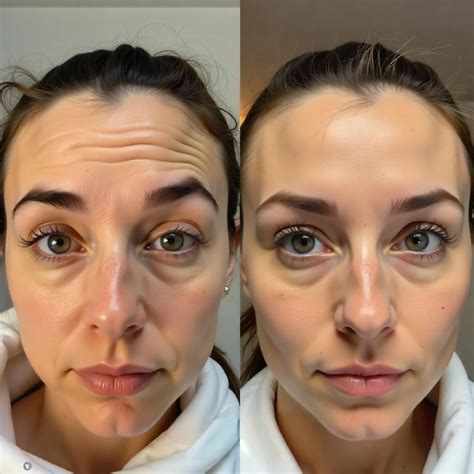
- Neuromodulators (e.g., Botox): These injections temporarily relax the muscles responsible for creating wrinkles, such as the frontalis muscle. This prevents the skin from creasing during facial expressions, leading to smoother skin. Results typically last 3-4 months.
- Dermal Fillers: Primarily used for static wrinkles that are visible at rest, dermal fillers restore volume and plump the skin, effectively filling in creases. They are often made from hyaluronic acid.
- Chemical Peels: These treatments exfoliate the outer layers of the skin, promoting cell turnover and revealing smoother, more youthful-looking skin underneath.
- Laser Resurfacing: Various laser treatments can stimulate collagen production, improve skin texture, and reduce the appearance of wrinkles.
- Microneedling: This procedure creates micro-injuries in the skin, triggering the body's natural healing response and stimulating collagen production.
- RF Microneedling: Combines microneedling with radiofrequency energy to enhance collagen production and skin tightening.
3. Surgical Treatments
For more significant or persistent wrinkles, especially those related to sagging skin or ptosis, surgical options may be considered:
- Brow Lift: This procedure repositions the skin and underlying muscles of the brow to smooth out wrinkles and create a more refreshed appearance. It can address deep horizontal lines caused by constant forehead muscle engagement.
- Blepharoplasty (Eyelid Surgery): If excess eyelid skin contributes to compensatory eyebrow lifting and forehead wrinkles, an upper blepharoplasty can remove the excess skin, alleviating the strain on forehead muscles.
- Facelift: In some cases, a facelift can address deeper wrinkles by tightening the skin and underlying facial structures.
- Fat Transfer: This involves harvesting fat from one area of the body and injecting it into the wrinkles to restore volume and elasticity.
- Ptosis Correction Surgery: Specifically addresses drooping eyelids, reducing the need for compensatory eyebrow lifting and thereby lessening forehead wrinkles caused by this mechanism.
Surgical treatments offer more permanent results but involve a longer recovery period and higher costs compared to non-surgical options.
Seeking Professional Guidance
Consulting with a dermatologist or a qualified plastic surgeon is crucial for determining the most appropriate treatment plan. They can assess the cause and severity of your forehead wrinkles and recommend a personalized approach, which may involve a combination of treatments. Factors such as genetics, lifestyle, and the specific type of wrinkles will influence the best course of action.