Full, defined lips have long symbolized beauty and youth. Advances in aesthetic medicine now allow individuals to achieve that look with precision and safety. Understanding the lip filler swelling stages can help you anticipate what your lips will look and feel like during recovery. Lip filler treatments use hyaluronic acid-based injectables to enhance shape, symmetry, and volume. Hyaluronic acid naturally occurs in the body and attracts water, giving lips a hydrated and plump appearance.
Immediately after injection, the lips may appear swollen or uneven. This is a normal response as the tissue reacts to the filler and the fine needles used during application. The swelling gradually subsides as the lips adjust to their new shape. Each individual’s healing process varies based on skin type, filler amount, and the technique used.
The Inflammatory Response and Initial Swelling
Swelling after lip filler treatment is a natural inflammatory response. The lips are one of the most delicate and vascular areas on the face. This temporary inflammation causes puffiness and sometimes mild tenderness. Bruising can occur alongside swelling if small blood vessels are disrupted during injection. While this can make lips appear uneven or darker in color, it typically resolves within a few days.
Day 0: Immediately After Lip Filler
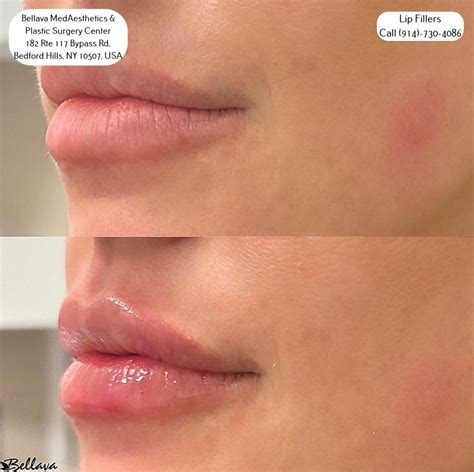
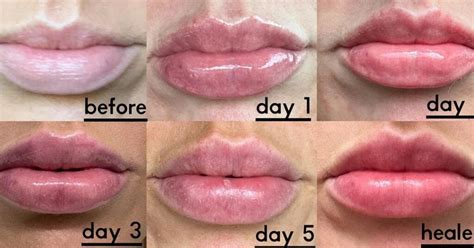
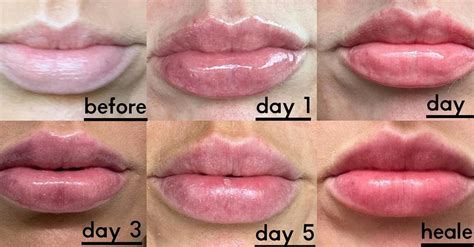
The first 24 hours after lip filler injections are marked by noticeable swelling. The lips may appear significantly fuller than expected, and slight asymmetry is common. This is the body’s immediate reaction to both the injection and the introduction of filler material. Ice packs applied intermittently during the first few hours can help minimize swelling. Patients should avoid touching or massaging the lips unless directed by their provider. It is important to remember that the lips will not look like the final result at this stage.
Days 1-2: Peak Swelling
By the second or third day, swelling often reaches its highest point. The lips may appear puffy or uneven, and mild bruising may become more noticeable. Patients might also feel mild tightness or warmth in the area. These sensations indicate active healing. Avoiding salty foods and alcohol can help reduce fluid retention and swelling. The lips at this stage often look larger than expected, but this is not cause for concern.
Days 3-4: Swelling Begins to Subside
By the fourth day, inflammation starts to diminish. The lips begin to feel softer, and any unevenness begins to smooth out. Patients may start to notice a more balanced appearance and defined contour. During this period, it is best to avoid applying heavy pressure or using exfoliating lip products. Some individuals might experience small residual lumps under the skin, which usually resolve as swelling decreases.
The Healing Process and Visible Results
The healing process after lip fillers is not only physical but also emotional. In the first few days, patients sometimes feel uncertain about their appearance as swelling peaks. This stage can bring temporary self-consciousness because the lips may look fuller or more uneven than expected. By the second week, as the swelling subsides, most patients begin to feel more confident. The lips start to look balanced, and the enhanced shape becomes more natural. Adjusting to this new feature takes time. During this period, observing the lips in natural light can offer a more accurate view of their shape and volume. Some patients choose to document the healing journey with photos to compare progress.
Day 5-7: Nearing Normal
Between Days 5 and 7, swelling and bruising are minimal for most people. Lips start to reflect their intended shape and definition, and many feel comfortable returning to normal routines and social activities. Light activity is usually fine, but continue avoiding heat and intense exercise to aid the healing process.
Day 8-14: Mostly Settled
By Days 8 to 14, swelling is largely resolved for the majority of patients. Lips show near-final volume, symmetry, and definition. Any remaining puffiness should be mild and continue to fade. This is a good time to take progress photos or contact your clinic if small lumps or firmness remain.
Weeks 2-4: Final Results
By Weeks 2 to 4, lips are fully healed and the filler has completely settled. Final volume and shape are now visible. For many, this phase brings relief and satisfaction, as the final outcome becomes visible. The full outcome of lip filler treatment typically reveals itself within three to four weeks. The volume achieved is now stable, and the texture feels consistent with the surrounding skin. Any lingering firmness or minor irregularities have usually resolved. This stage also marks an appropriate time for a follow-up appointment. Your provider may assess the result and determine if minor adjustments would enhance symmetry or definition.
Factors Influencing Swelling and Recovery
While most patients follow a similar healing timeline, several factors can influence how quickly swelling subsides. For example, larger volumes or multiple injection sites may cause slightly longer swelling periods. The type of filler used also matters. Some hyaluronic acid fillers attract more water molecules, which can increase initial swelling. Individual healing capacity, age, and skin condition further impact recovery.
The procedure involves putting a needle or a cannula into the lip, causing minor trauma. The lip has numerous blood vessels and glands, which contribute to swelling. Trauma creates swelling, and areas with a high density of blood vessels tend to swell more significantly.
Some patients may feel afraid the night after the procedure due to significant swelling, which can look unnatural. The day afterward, they may be even more concerned as their lip is a little more swollen. However, by three to five days afterwards, patients tend to be very happy, often liking the look of their lips even with a slight bit of swelling remaining. This is true even for patients who desire a very natural look.
Two weeks afterwards or so, many patients report feeling like they would like a fuller look. This might be because they appreciated the appearance of their lips with a slight bit of swelling. There is a curve to how large the lip appears after surgery; it reaches its maximum size in 12 to 36 hours and then, at about four or five days, there is a very small amount of residual swelling.
Managing Swelling and Aftercare
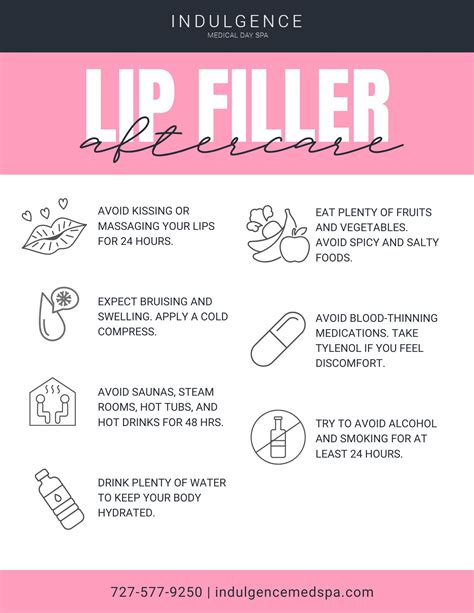
Recovery can be managed effectively with proper aftercare. Applying a clean cold compress in the first few hours reduces initial swelling. It is best to apply it intermittently rather than continuously to avoid overcooling the tissue. It is wise to avoid saunas, steam rooms, and vigorous exercise for at least 48 hours. Heat and increased circulation can worsen inflammation and bruising. Patients should also avoid alcohol and salty foods in the first few days, as both can contribute to fluid retention. Sleeping on the back with the head slightly elevated can further help minimize morning puffiness.
Key Aftercare Recommendations:
- Cold Compresses: Apply intermittently during the first few hours to reduce swelling and provide a numbing effect. Avoid direct contact with ice.
- Hydration: Drink plenty of water to support optimal bodily function and inflammation management.
- Head Elevation: Sleep with your head slightly elevated to minimize blood flow to the treated area.
- Avoid Heat and Exercise: Refrain from saunas, steam rooms, and strenuous exercise for at least 48 hours to prevent increased inflammation and bruising.
- Dietary Adjustments: Avoid alcohol and salty foods for the first few days, as they can contribute to fluid retention.
- Gentle Handling: Avoid touching or massaging the lips unless directed by your provider.
- Medication: Over-the-counter non-steroidal anti-inflammatory drugs (NSAIDs), such as ibuprofen, can help manage pain and swelling.
- Sun Protection: Avoid excessive sun exposure and UV rays, as they can increase swelling and discomfort.
When to Seek Professional Advice
Although swelling is a normal part of healing, there are rare instances when additional care may be needed. A qualified professional can distinguish between typical swelling and an unusual reaction. Patients are encouraged to keep communication open with their injector during the healing period.
If you notice any of the following, contact your doctor:
- Severe pain or increasing discomfort
- Prolonged asymmetry
- Lumps that don’t improve
- White or pale areas (may indicate vascular compromise)
- Fever, pus, or infection symptoms
If swelling gets worse after Day 5, becomes painful, or is accompanied by symptoms like lumps, heat, or changes in color, contact your provider immediately.
Understanding Lumps and Bumps
Lumps or bumps due to hyaluronic acid fillers can potentially be dissolved, but it is generally recommended to wait at least two weeks after lip filler treatment before considering dissolution, as these irregularities may resolve with normal healing. Another reason for minor bumps can be the minor salivary glands located on the inside of the lips. Inflaming a minor salivary gland by injecting filler into that area can cause a bump. These bumps typically resolve on their own with a little patience.
Are Lip Filler Bumps Normal? • Aesthetic MdR
Frequently Asked Questions
How much swelling is normal?
Most experience 20-30% lip enlargement immediately after injections. Swelling usually resolves in 5-7 days, with final results visible in 2 weeks. Up to 30% of patients experience moderate to severe swelling, peaking within 48 hours.
How does the filler type affect swelling?
Hyaluronic acid fillers are hydrophilic and may cause more initial swelling. Thicker formulations can extend swelling duration by up to 40%.
When is swelling a sign of complications?
Swelling that lasts beyond 7 days, comes with pain, discoloration, or signs of infection, should be evaluated by a physician immediately.
What helps reduce swelling quickly?
Applying cold compresses, drinking plenty of water, sleeping with your head elevated, and avoiding alcohol, salt, and strenuous exercise for the first 48 hours are effective methods. Studies show that consistent aftercare can shorten recovery time by up to 30%.
How long does lip filler swelling last?
Most lip filler swelling lasts between 5 to 7 days, but some individuals may experience residual puffiness or tenderness for up to two weeks. The lip filler swelling stages follow a predictable recovery path-from initial inflammation to final settling-so it’s important to be patient and follow aftercare recommendations closely.
When will I see the final results?
Most patients begin to see the final, softened results between 10-14 days post-injection. At this point, lip shape will have settled, swelling and bruising should be minimal or gone, and any small lumps or asymmetry should resolve naturally or with light massage (if advised). If you're still experiencing firmness or unevenness after two weeks, consult with your injector for a follow-up assessment.