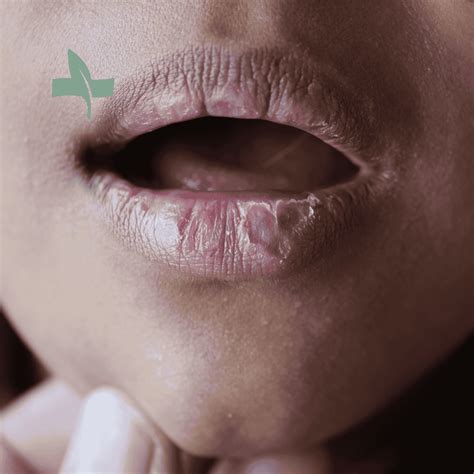
Isotretinoin, formerly known by the brand name Accutane, is a highly effective treatment for severe acne. However, this potent medication can significantly impact your skin, often leading to dryness, chapped lips, and dry eyes. While these side effects typically subside after the course of treatment (usually 4 to 6 months), managing them during the treatment period is crucial for comfort and compliance. This article provides general tips and product recommendations to help you navigate your skincare routine while on isotretinoin, ensuring your skin remains as healthy and comfortable as possible.
Understanding Isotretinoin's Effects on Your Skin
Isotretinoin is an oral retinoid, a derivative of vitamin A, used to treat severe acne that has not responded to other treatments. Its mechanism of action involves several key changes to the skin:
- Decreased Sebum Production: This minimizes oily skin and reduces the environment where acne-causing bacteria thrive.
- Reduced C. acnes Bacteria: Lower levels of this bacteria contribute to fewer breakouts.
- Decreased Inflammation: This can help calm existing acne lesions.
- Clearer Pores: By reducing oil and inflammation, pores are less likely to become clogged.
As a direct result of decreased oil production, the most common side effects of isotretinoin are dry skin, dry eyes, and dry mouth. A supportive skincare routine focused on hydration and protection is essential to counteract these effects.
Establishing a Hydrating Skincare Routine
To combat the dryness and irritation associated with isotretinoin, a consistent and gentle skincare routine is vital. The focus should be on replenishing moisture and protecting the skin barrier.
Cleansing
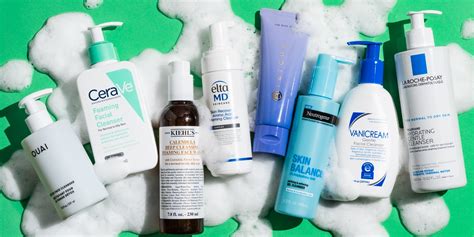
When choosing a cleanser, opt for mild, hydrating formulas that will not strip your skin of its natural oils. Avoid cleansers with harsh ingredients, alcohol, fragrances, or active acne-fighting components like salicylic acid or benzoyl peroxide, as these can exacerbate dryness and irritation. Some recommended gentle cleansers include:
- Simple Moisturising Face Wash or Simple Gel Face Wash: Budget-friendly, vegan, fragrance-free, and soap-free options that cleanse without stripping the skin.
- The Ordinary Squalane Cleanser: Contains squalane, a hydrator that is naturally found in the skin and is less stripping than other cleansers.
- CeraVe Hydrating Cleanser: Contains three essential ceramides to protect the skin barrier and hyaluronic acid to retain moisture.
- Inkey List Oat Cleansing Balm: Formulated with oat kernel oil and colloidal oatmeal to soothe, hydrate, and moisturize.
- Vanicream Gentle Facial Cleanser: A long-time dermatologist favorite for sensitive skin, known for protecting the skin barrier.
- Dove Sensitive Skin white bar soap: A gentle and non-drying option for the body.
If you wear heavy makeup, consider a gentle first step to remove it, such as micellar water or cleansing oil, before washing your face. For those experiencing extreme dryness, scaling back to washing your face once a day may be beneficial.
Moisturizing
Moisturizing is perhaps the most critical step in managing isotretinoin-induced dryness. Look for products with ingredients known for their hydrating and barrier-supporting properties:
- Hyaluronic Acid: A humectant that draws moisture into the skin.
- Glycerin: Another humectant that attracts and retains water.
- Ceramides: Essential lipids that help restore and maintain the skin's natural barrier.
- Shea Butter: A rich emollient that softens and moisturizes.
Recommended moisturizers include:
- Cetaphil Moisturising Lotion: Gentle and ideal for sensitive skin, providing hydration and calming effects.
- CeraVe Moisturising Cream (in a tub) or CeraVe Moisturising Lotion (in a bottle): Both are excellent options, enhanced with ceramides and hyaluronic acid. The cream is richer, while the lotion is lighter.
- La Roche-Posay Double Repair Face Moisturizer: Contains ceramides, niacinamide, and glycerin to strengthen and replenish the skin barrier.
- Avene Tolerance Extreme: A rich, soothing, and hydrating daily moisturizer with a minimalist ingredient list.
- Curology's personalized formulas: These can be tailored to address specific skin needs during isotretinoin treatment.
- Aquaphor Healing Ointment or La Roche-Posay Cicaplast Baume B5: These intensely rich balms are excellent for very dry, cracked, or irritated patches, providing a protective barrier.
For those with facial hair who find thicker creams heavy, a lighter option like CeraVe Ultra-Light Moisturizing Gel, which contains hyaluronic acid, ceramides, and glycerin, might be preferable.
Lip Care
Chapped lips are a very common and uncomfortable side effect. Regular application of a hydrating lip balm is essential.
- Look for balms containing ingredients like shea butter, castor oil, and jojoba seed oil.
- Aquaphor Lip Repair is a highly recommended option for lubricating lips.
- Blistex Relief Cream is a budget-friendly medicated balm.
- Vaseline (petroleum jelly) is a simple, effective occlusive agent that can help seal in moisture and prevent further cracking.
Eye Care
Dry eyes can cause significant discomfort. Over-the-counter artificial tears can help lubricate the eyes and ease irritation. Consult with an eye care professional to determine the best type of eye drops for your specific needs. If you wear contact lenses, ensure your chosen drops are compatible.
Body Care
The drying effects of isotretinoin extend to the entire body. Use a gentle, hydrating body wash and follow up with a rich body moisturizer after showering to lock in moisture. Ingredients like ceramides, hyaluronic acid, and glycerin are beneficial. Avoid hot showers, as they can strip the skin of moisture. Pat your skin dry gently instead of rubbing.
- CeraVe Moisturising Cream and Cetaphil Moisturising Cream are excellent choices for both face and body.
- La Roche-Posay Cicaplast Baume B5 can be used on particularly dry or rough patches on the body.
Sun Protection is Non-Negotiable
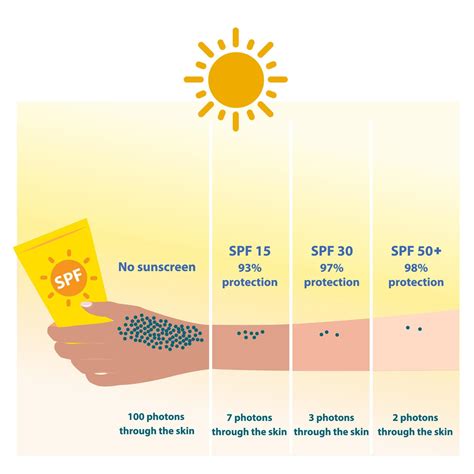
Isotretinoin significantly increases your skin's sensitivity to the sun, making it much more susceptible to sunburn and potential damage. Daily use of a broad-spectrum sunscreen with an SPF of at least 30 is mandatory.
- EltaMD Physical Broad-Spectrum SPF 41 (Tinted) is a recommended non-comedogenic physical sunscreen.
- Cetaphil Daily Defence Moisturiser with SPF50 offers robust protection and is moisturizing.
- Supergoop! Unseen Sunscreen SPF 40 is a popular lightweight, clear option.
- Mineral sunscreens, often tinted, can offer broad-spectrum coverage and are less likely to cause hypersensitivity.
Remember to reapply sunscreen regularly, especially if you are spending time outdoors. Sun-protective clothing, such as hats and sunglasses, also provides an essential layer of defense.
What to Avoid While on Isotretinoin
Certain products and activities can exacerbate side effects or cause adverse reactions while you are taking isotretinoin. It's crucial to discuss these with your dermatologist.
- Vitamin A Supplements and Retinol Products: Isotretinoin is a derivative of vitamin A. While dietary intake of vitamin A is fine, avoid high-dose supplements and topical retinoids (like retinol) as they can increase irritation.
- Harsh Scrubs and Exfoliants: Physical scrubs, chemical exfoliants (like AHAs/BHAs), and microdermabrasion can over-exfoliate already dry and sensitive skin, leading to increased irritation and potential scarring.
- Skin Resurfacing Procedures: Treatments such as waxing, chemical peels, and ablative laser procedures should generally be avoided, as they can cause significant irritation, delayed healing, and scarring. Plucking, shaving, or threading are safer hair removal methods.
- Direct Sunlight Exposure: Minimize time spent in direct sun. If sun exposure is unavoidable, rely heavily on sunscreen and protective clothing.
- Certain Acne Treatments: Avoid combining isotretinoin with other acne medications that can be drying or irritating.
Additional Tips for Managing Side Effects
Beyond a consistent skincare routine, other lifestyle adjustments can help manage isotretinoin's side effects:
- Dietary Considerations: Isotretinoin can affect cholesterol and triglyceride levels. A low-fat, high-fiber diet is often recommended. Foods rich in omega-3 fatty acids can help combat dryness and inflammation.
- Hydration: Drink plenty of water throughout the day to help combat overall dryness.
- Nasal Care: Dryness inside the nostrils can lead to nosebleeds. Dabbing a small amount of petroleum jelly inside the nostrils can help keep them moisturized.
- Avoid Alcohol: Isotretinoin can affect the liver, and combining it with alcohol may increase the risk of side effects.
- Inform Your Doctor: Always communicate any persistent or severe side effects to your prescribing physician or dermatologist.
Post-Treatment Skincare
Even after completing your isotretinoin course, it's important to maintain a good skincare regimen. Your skin may take some time to return to its normal oil production. Continue to use gentle, hydrating products and consistent sun protection.